 英语
英语 中文简体
中文简体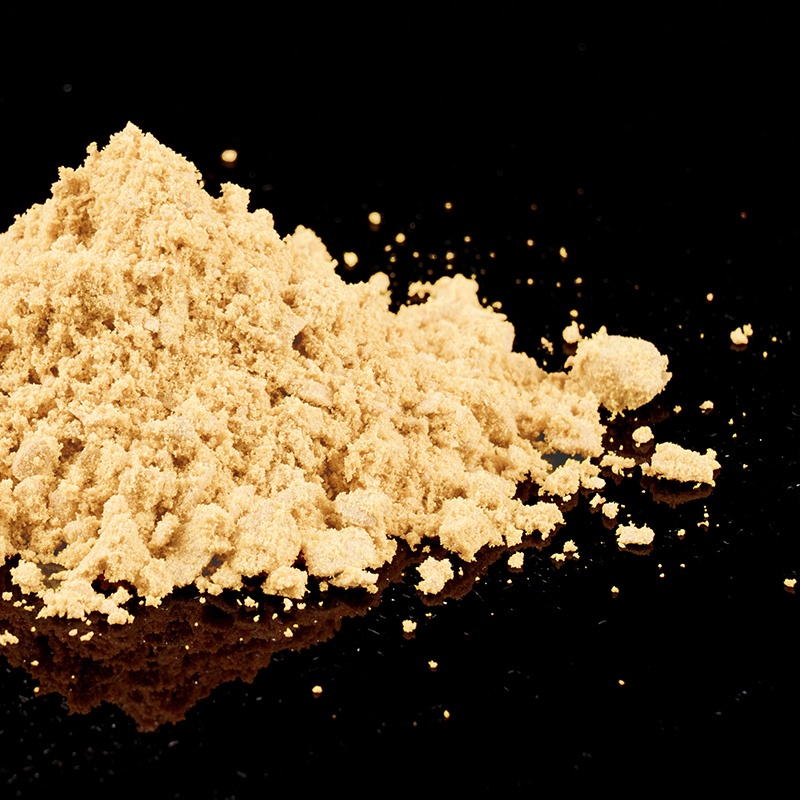
On working days, we will reply to you within 12 hours after receiving the inquiry.


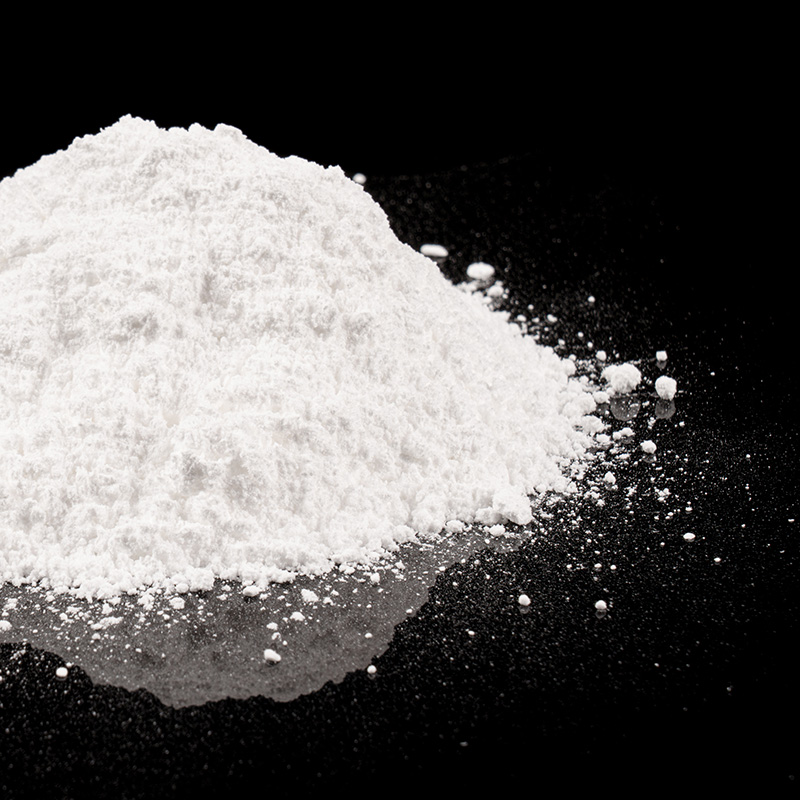
As an aromatic dibasic acid with a scarce rigid structure derived from HMF downstream, FDCA has the same functional group, similar aromaticity, and reactivity with terephthalic acid(PTA), and is considered an ideal substitute and modifier for PTA. The U.S. Department of Energy has identified FDCA as one of the 12 promising biobased platform compounds for building the "green" chemical industry of the future.
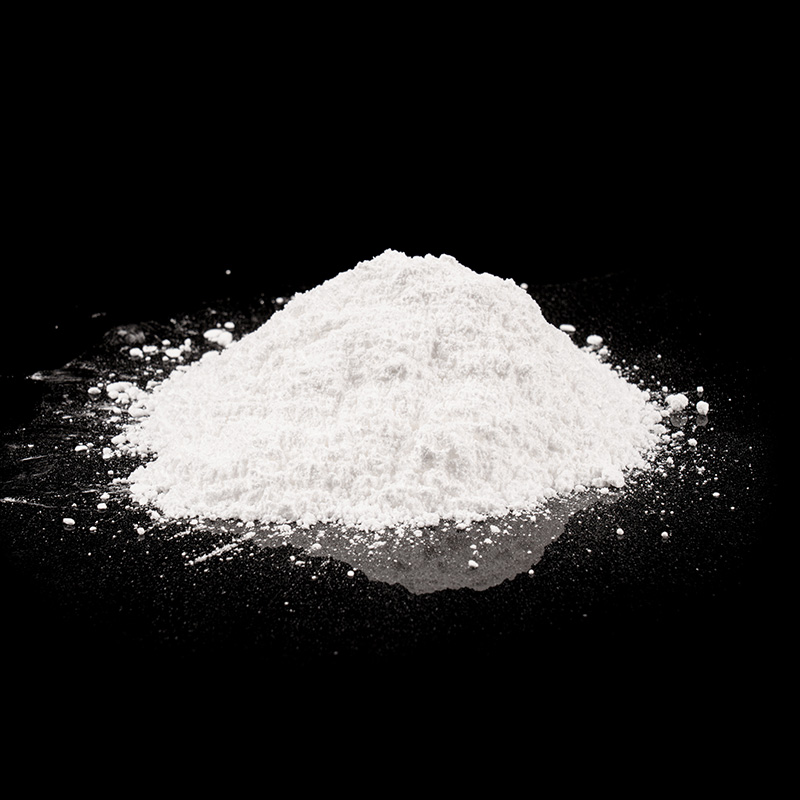
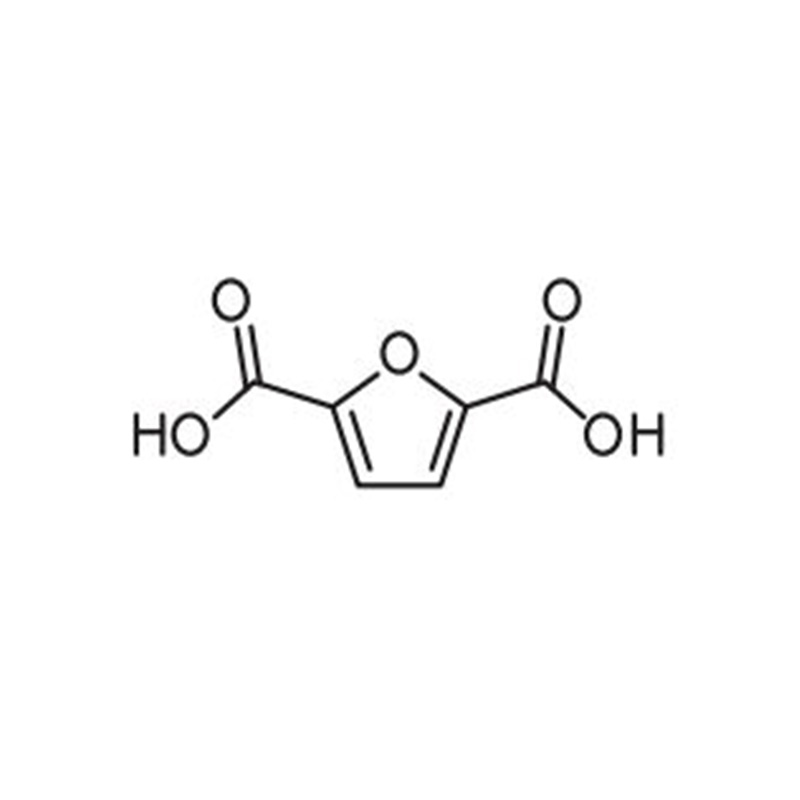
| Product Name |
2, 5- Furandicarboxylic acid
|
| CAS No. |
3238-40-2
|
| Molecular Formula |
C6H4O5
|
| Molecular Weight |
156.09
|
| Melting Point |
>310℃
|
| Boiling Point |
419.2℃ at 760 mmHg
|
| Relative Density |
1.604g/cm³ at 25℃
|
| Stability |
Stable at room temperature, airtight storage in a cool and dry environment
|
Fine chemical industry: Plasticizer
Packaging industry: Bottle, Thin film
Transportation industry: Special plastic material, Special rubber material
Building materials industry: Engineering plastics
Textile industry: Fiber
New energy industry: Fiber

Zhejiang Sugar Energy Technology Co., Ltd. (Sugar Energy Technology), established in 2017, is a national high-tech enterprise co-founded with participation from the Ningbo Institute of Materials Technology and Engineering, Chinese Academy of Sciences. As a professional China Green Chemical Industry Acid Manufacturers and 2, 5- Furandicarboxylic acid (FDCA) Suppliers, focusing on the R&D, production and sales of bio-based furan new materials, the company leverages its advanced raw material production capabilities and downstream application innovation strengths to build a furan materials system of “1 high-end raw material + 5 platform molecules + N high-value products,” and aspires to become a leading bio-based materials enterprise driven by innovation and a strong sense of social responsibility.
Sugar Energy Technology’s flagship product, 5-hydroxymethylfurfural (HMF), is derived from a wide range of biomass feedstocks, including starch, cellulose, sucrose and agar. Featuring rare dual reactive functional groups and an aromatic structure, HMF not only helps improve the performance of other bio-based materials, but also opens up broader possibilities for the modification of conventional fossil-based products.
Guided by its founding mission, “Shaping the Beauty of Biology, Creating New Materials,” and its vision of “Building the world’s leading HMF monomer platform and making bio-based materials accessible to all,” Sugar Energy Technology continues to move forward toward a greener and more sustainable future.
R&D experience
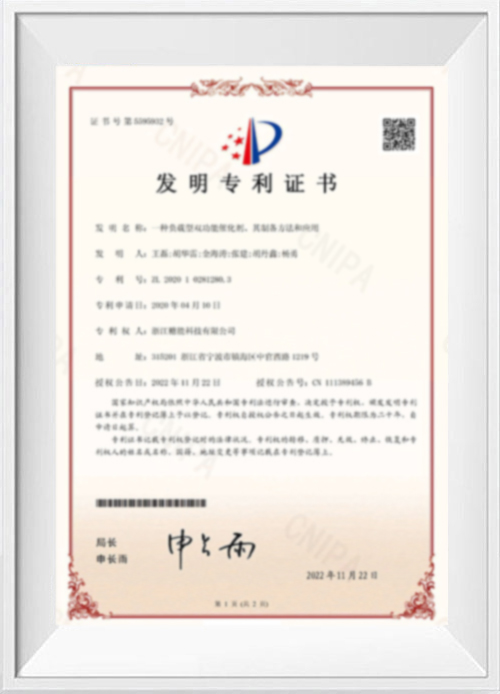
Invention patent
Factory area
How Is HMF Created? The Chemistry in Plain Terms If you have ever watched honey darken during heating or smelled the toasty crust of fresh bread, you have already encountered 5-hydroxymethylfurfural ...
View More5-Hydroxymethylfurfural (HMF): Two Lives of a Remarkable Molecule HMF is already part of your morning routine. The brown note in your coffee, the amber depth of honey, the darkened edge of a carameli...
View MoreCarboxylic Acid FTIR: Three Bands, One Verdict A straightforward field guide for analysts who need a confident answer from an infrared spectrum in the first ten minutes. An off-white powder arrives o...
View MoreAs a 2 5 Furandicarboxylic Acid manufacturer, we match product configuration to the application, operating limits, interfaces and acceptance criteria defined for each project.
Zhejiang Sugar Energy Technology Co., Ltd. is a China-based FDCA manufacturer and a dedicated 2, 5- Furandicarboxylic acid (FDCA) supplier. We produce FDCA from HMF for polyester, packaging, fiber and fine-chemical customers. Established in 2017 as a national high-tech enterprise co-founded with the Ningbo Institute of Materials Technology and Engineering, Chinese Academy of Sciences, we operate the furan chain from biomass-derived HMF through downstream derivatives. Our HMF capacity of 2,000 tons/year gives FDCA a stable feedstock base and the same batch discipline as our HMF line.
FDCA is available on its own or as part of a furan monomer package with HMF, PEF and other derivatives. Our proposal work begins with the specification priorities below.
FDCA is an aromatic dibasic acid with a rigid furan ring and two carboxylic acid groups. The molecule has the same functional-group chemistry and similar aromatic reactivity as terephthalic acid, so it can enter existing polyester, resin and plasticizer synthesis routes with relatively limited reformulation. Its furan oxygen changes the polymer chain geometry, which is the basis for the gas barrier and thermal behavior of PEF.
The U.S. Department of Energy has identified FDCA as one of the 12 promising bio-based platform compounds for the future 'green' chemical industry. For a manufacturer converting from PTA to bio-based feedstocks, FDCA is the direct replacement point: the dicarboxylic acid monomer that controls polyester backbone performance.
The table below gives the main property baseline for specification work. For each commercial batch, we confirm the actual values in the batch inspection report.
| Property | Value |
|---|---|
| Product name | 2,5-Furandicarboxylic acid |
| CAS No. | 3238-40-2 |
| Molecular formula | C6H4O5 |
| Molecular weight | 156.09 |
| Melting point | >310°C |
| Boiling point | 419.2°C at 760 mmHg |
| Relative density | 1.604 g/cm³ at 25°C |
| Stability | Stable at room temperature; store airtight in a cool, dry environment |
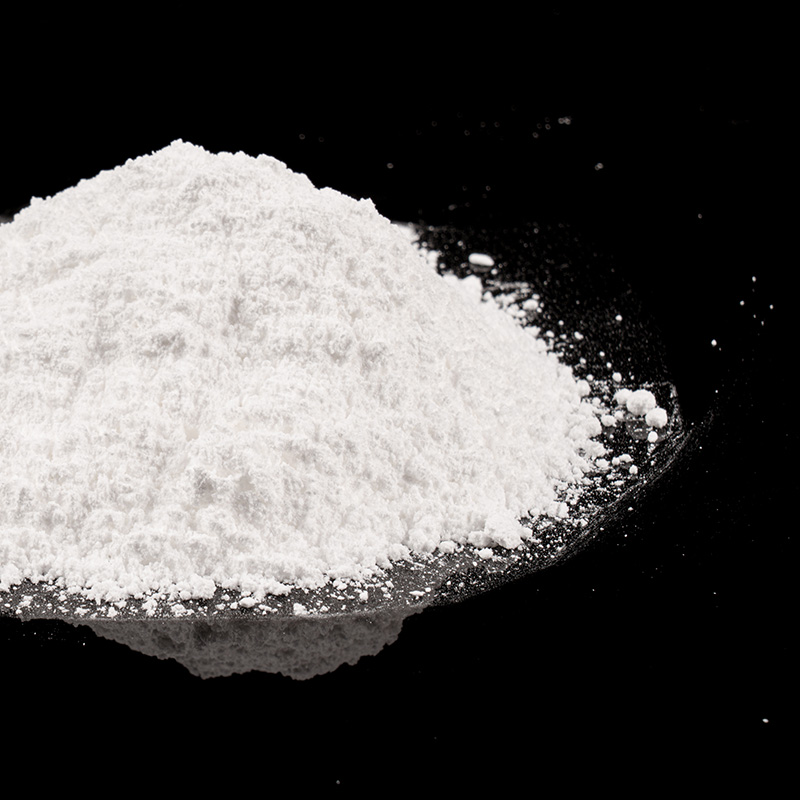
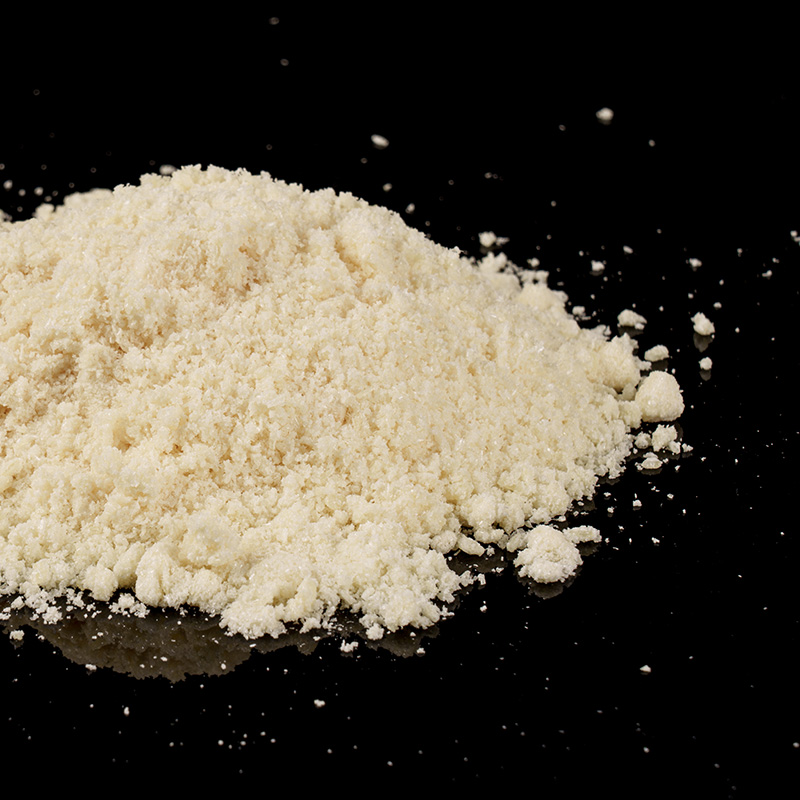
FDCA is supplied mainly as a solid acid monomer for downstream polymerization or esterification. Application fit depends on the resin target, process temperature and required final property.
| Industry | FDCA Role | Typical End Products |
|---|---|---|
| Fine chemical industry | Plasticizer raw material, ester intermediate | Plasticizers, polyester polyols, specialty esters |
| Packaging industry | Bio-based polyester monomer with improved barrier properties | Bottles, thin film, food packaging materials |
| Transportation industry | Special plastic and rubber modifier | Engineering plastic parts, seal and interior materials |
| Building materials industry | Engineering plastics monomer | Durable profiles, panels, compound formulations |
| Textile industry | Bio-based fiber-forming monomer | Polyester fiber, yarn, nonwoven fabrics |
| New energy industry | Fiber and composite resin intermediate | Lightweight structural parts, high-performance fiber |
Our FDCA chain starts from HMF, which we produce from biomass feedstocks including starch, cellulose, sucrose and agar. We have industrialized continuous HMF production through a 100-ton line and a subsequent 1,000-ton line that raised both product quality and batch stability. FDCA follows the same production logic: upstream feedstock control, catalytic conversion, purification and controlled packing.
After each process step we carry out corresponding inspections. The final product receives full inspection according to customer requirements and international standards. Our in-house testing laboratory supports batch release with analytical checks on the agreed specification.
For polymer-grade FDCA, the release criteria normally include assay, moisture, color, acid value and relevant impurity limits. If your process uses metal-sensitive catalysts, we review the impurity profile at quotation stage so the specification matches the polymerization route.
FDCA is one platform molecule in our '1 high-end raw material + 5 platform molecules + N high-value products' system. Customers working on bio-based packaging, polyester and fine chemicals can qualify several monomers in one program because the products share the same HMF origin.
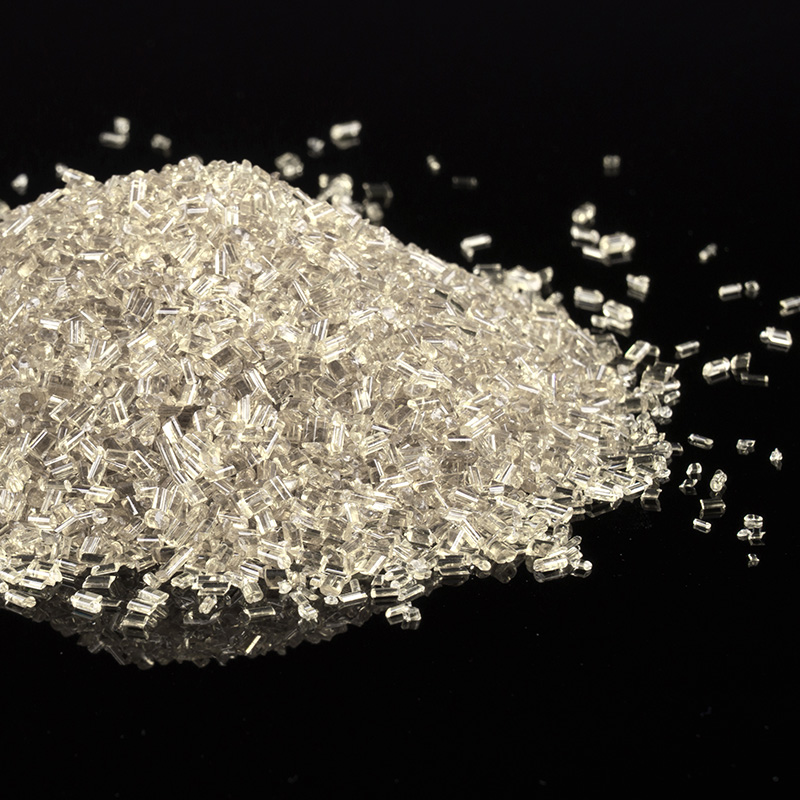
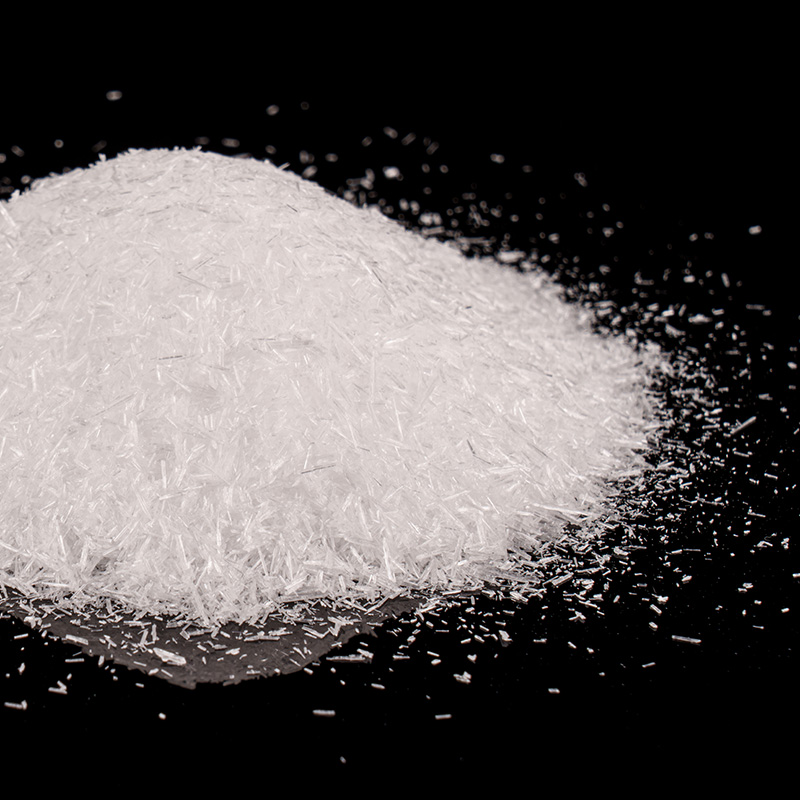
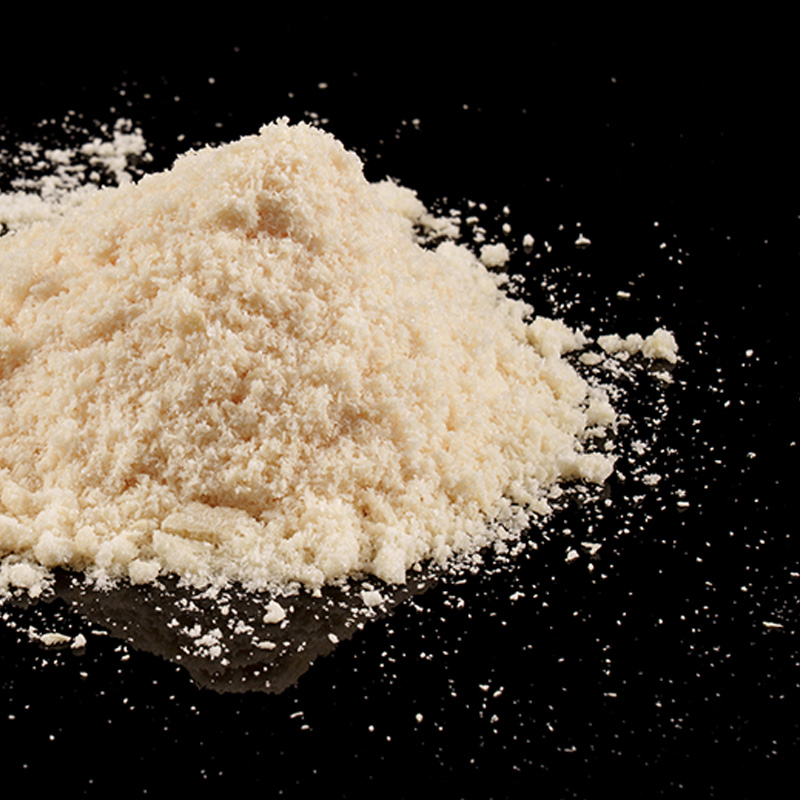
Our flagship biomass-derived platform monomer and the upstream feedstock for FDCA chemistry.
Polyester made by condensation of FDCA and ethylene glycol for packaging and film applications.
Methyl ester derivative of FDCA for transesterification routes where a more soluble monomer is preferred.
The same furan system also includes FDM, THFDM, BAMTHF, THFDCA and OBMF for customers working on diols, diamines and rigid furan intermediates. We can coordinate multi-product orders from one factory and schedule production around your project phases.
Our proposal is based on the working point, material and production target. Tell us:
FDCA is stable at room temperature and is supplied as a solid monomer. Keep the packaging sealed between charging operations and store the material in a cool, dry warehouse. This avoids moisture pickup and maintains the product condition agreed for downstream reactions.
Packaging is matched to order size and feeding system. For automated powder dosing lines, we discuss particle size and lot packaging before quotation. Our facility is located in Ningbo near Ningbo Port, which simplifies export container coordination and delivery scheduling.
Quotations and specification questions are answered within 24 hours on working days. For multi-monomer qualification programs, we can provide a combined supply plan instead of separate purchase discussions.
FDCA has the same dicarboxylic acid functionality and similar aromatic reactivity as PTA, but a drop-in replacement without process adjustment is not automatic. The furan ring changes solubility, melting behavior and polymerization kinetics. We supply FDCA with the specification data needed for lab-scale evaluation and can also supply PEF if you want a polymer already converted from FDCA.
Assay, moisture, color, acid value and catalyst-poisoning impurities are typically the critical data for polymer routes. Moisture affects stoichiometry and catalyst consumption, color transfers to the final resin, and residual by-products can change reaction rate. We agree these release points at the quotation stage.
Yes. We produce these molecules in the same furan materials system and can coordinate combined orders from the same factory. Share the volumes and project phases, and we will schedule production and documentation accordingly.
Our HMF production capacity is 2,000 tons/year using continuous production technology, scaled from a 100-ton line after a year of stable operation. Because FDCA shares that upstream base, we control feedstock rather than buying HMF on the open market, which improves batch stability and delivery reliability.
Each process step is inspected during production. Final products receive full inspection according to customer requirements and international standards, and the acceptance criteria are agreed before production. The batch inspection report accompanies the shipment and reflects those agreed parameters.

Copyright© Zhejiang Sugar Energy Technology Co., Ltd. All Rights Reserved.
 Custom 2, 5- Furandicarboxylic acid (FDCA) Suppliers