Spent acid management
Concentration, contamination and volume decide whether spent acid is neutralized on site, regenerated, or handed to a licensed contractor. The paperwork follows the chemistry, never the other way round.
Two containers arrive at the waste store on the same pallet. One is a 25-litre carboy of rinse water from a glassware line, still acidic at pH 2 but carrying less than half a percent of acid. The other is a 200-litre drum of spent 90% acid drawn off a dehydration reactor, dark with dissolved organics. Treating them identically is how a site ends up with either a disposal invoice it never needed or an incident report it cannot explain.
The working answer: dilute, lightly contaminated acid at small volume is usually neutralized on site, tested, and discharged as sulfate-bearing effluent within a permit limit. Concentrated acid, or acid carrying metals and organics, is regenerated, reclaimed, or consigned to a licensed hazardous waste contractor with full documentation. Anything in between deserves a written assessment rather than a judgement call at the end of a shift.
What follows are the checks that separate an auditable disposal file from an expensive guess.
pH alone tells you very little. A reading of pH 1 can describe a 0.1% solution or a 10% solution depending on buffering, and those two streams carry different transport classes and neutralization costs. Four data points settle most decisions: acid strength as percentage by weight, total volume and peak flow, contaminants, and the container itself.
Contaminants often matter more than strength. Organics, including sugars, furanics, oils and solvents, raise the heat released during neutralization and can drive off vapours as the pH climbs. Dissolved metals from pickling or etching turn ordinary sulfate sludge into a hazardous classification. Chlorides push you toward higher-grade materials of construction. Oxidizers or cyanides in the same container stop being a disposal question and become a compatibility emergency.
| Stream type | Typical strength | Preferred route | Watch-out |
|---|---|---|---|
| Rinse water and lab dilute | pH 2 to 4, well under 1% acid | On-site neutralization, then permitted discharge | Sulfate load and a verified final pH |
| Spent catalyst acid | Roughly 5% to 30% | Regeneration, or neutralization at scale | Dissolved organics cause heat and fumes |
| Concentrated surplus | 70% to 98% | Return to supplier or off-site regeneration | Heat of dilution; corrosion of mild steel |
| Acid with dissolved metals | Varies with the pickling or etch bath | Licensed treatment with classification testing | Sludge may be hazardous in its own right |
Strength decides the paperwork. Contamination decides the price.
Record the numbers rather than impressions. A log showing sampling point, date, titration method and the sampler's name is the difference between a fixed-price quotation and a range with three exclusions attached.
On-site neutralization suits dilute streams and small volumes, but it is a controlled chemical operation rather than a pouring exercise. The sequence that holds up under audit looks like this.
Caution. Never dilute concentrated sulphuric acid as a disposal step. If a stream must be weakened, feed the acid into a large, stirred body of water in a slow controlled stream, with cooling available and the vessel open to the air.
The cost driver here is rarely the lime. It is the sludge: its volume, its water content and its classification.
Spent acid regeneration is a mature industrial service. Above roughly a few tonnes a year, the economics usually favour returning acid to a regenerator, purifying it for a lower-grade in-house duty, or reconcentrating it, rather than buying base and paying to landfill the sludge. Regeneration also keeps sulfate out of your effluent, which matters when the permit, not the budget, is the binding constraint.
Process design decides how much acid reaches the waste store at all. When sulphuric acid acts as a catalyst in dehydration chemistry, the conversion of sugars toward furan intermediates being a familiar example, the acid leaves the reactor diluted with process water and carrying organic by-products. The spent stream is therefore larger and dirtier than the fresh charge. Loops that recover and reconcentrate the catalyst shrink the waste at the source instead of at the drain.
For buyers of bio-based intermediates this is a commercial question, not a technical curiosity: a supplier with a closed acid loop usually has a steadier cost base and fewer environmental permits standing between it and reliable delivery.
 5-Hydroxymethylfurfural HMF Bio-Based Platform MoleculeIndustrial and high-purity HMF grades for FDCA, PEF and fine-chemical routes, with specifications, packaging and production-capacity details useful for supplier qualification.View Product →
Danger. A concentrated sulphuric acid spill is a containment problem first and a neutralization problem second. Build the bund, know where the absorbent sits, and call the emergency line before the acid reaches a drain, not after.
Whether you buy acid, sell spent acid, or buy a monomer whose manufacture generates acid waste, the same questions expose the real cost of the relationship.
A supplier that answers with numbers, meaning recovery rates, effluent concentrations and permitted volumes, is easier to qualify than one that answers with assurances. The same logic applies when qualifying furan intermediates, since each stage of the chain carries a different acid-handling profile.
 2,5-Furandicarboxylic Acid FDCA Bio-Based DiacidFDCA monomer for bio-based polyesters, PEF, polyamides and plasticizers, positioned as a PTA substitute with properties, applications and storage guidance.View Product →
At the polymer end, the acid question shifts toward catalyst residues, wash water and the recycling route chosen for the finished material.
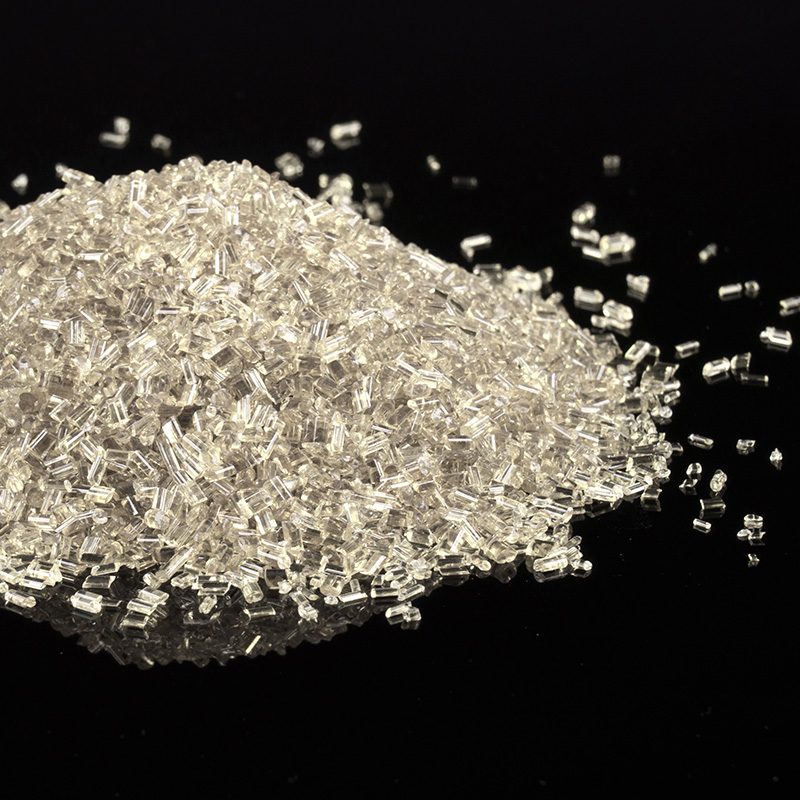 Poly(ethylene 2,5-furandicarboxylate) PEF High-Barrier PolyesterPEF polyester for high-barrier packaging, fibers and engineering plastics, with grade-dependent melting behavior, processing notes and typical acceptance parameters for line configuration.View Product →
Good sign. A supplier who can walk you through a mass balance for the acid in their process, from purchase through recovery or neutralization to the final discharge point, has usually already solved the problems you are about to inherit.
Sulphuric acid disposal is not a single procedure. It is a chain of decisions that begins with measurement. Strength and contamination choose the route, volume chooses the economics, and documentation keeps the whole thing defensible a year later when the invoice or the inspection arrives.
Take the two containers on the pallet. The rinse water goes to a bunded neutralization point, is limed into the middle of the permitted band, and is discharged with a logged pH reading. The 90% spent acid goes back into a regeneration loop or out with a licensed contractor, under a classification code that reflects its organic load. Neither drum required a guess. Neither should yours.
Copyright© Zhejiang Sugar Energy Technology Co., Ltd. All Rights Reserved.
 Custom Biobased Polymer Manufacturers
 英语
 中文简体