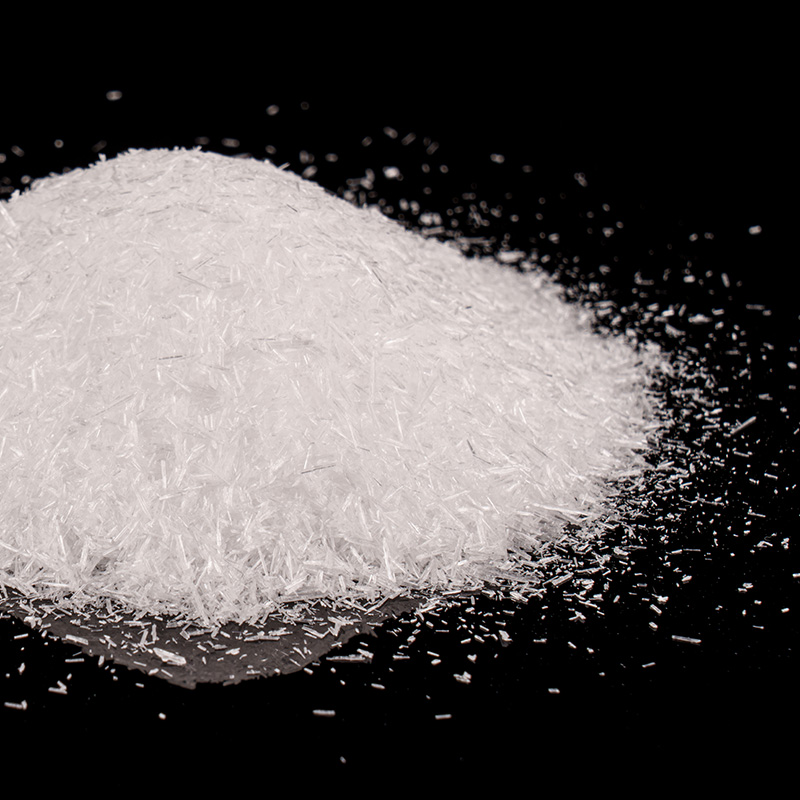
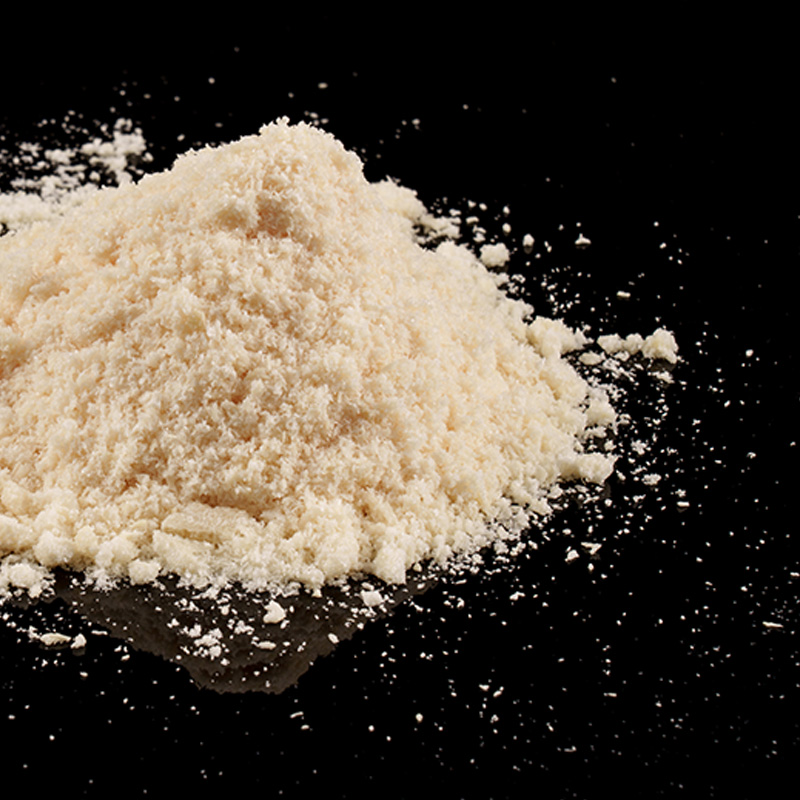
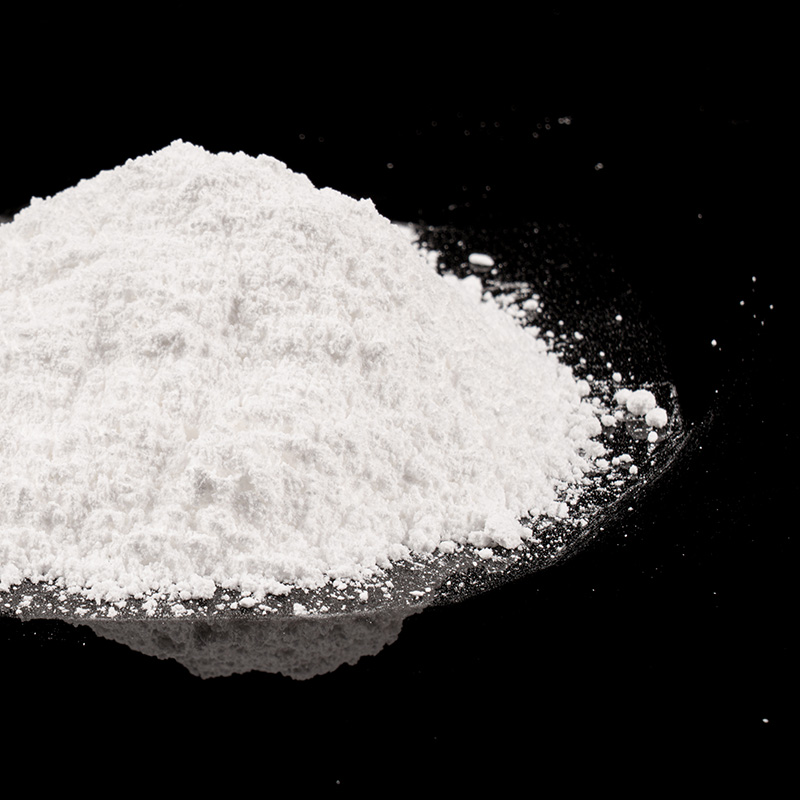
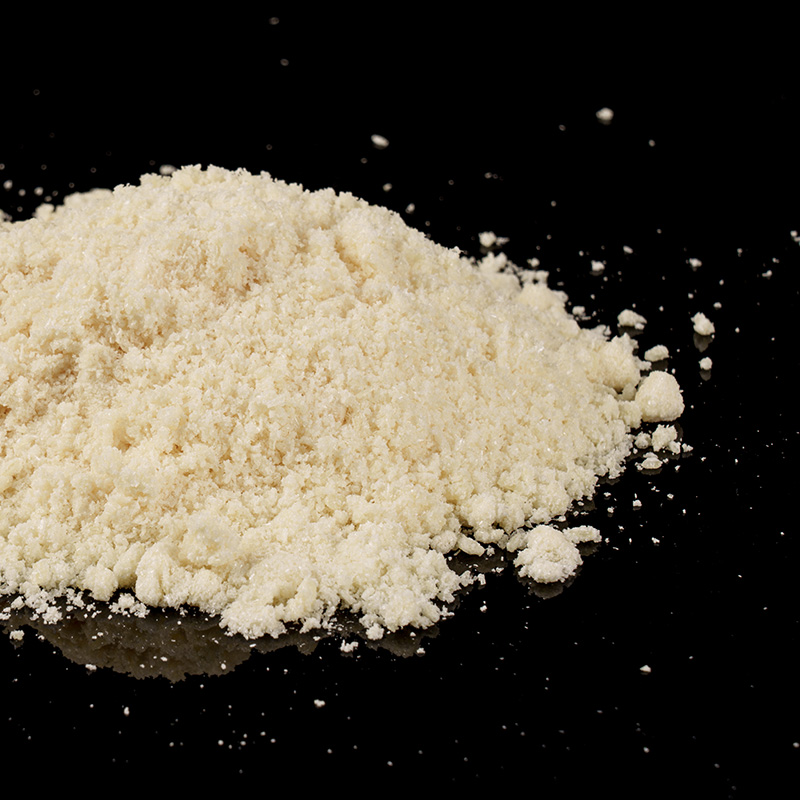
A field guide for R&D teams and procurement specialists weighing 5-HMF as a biobased building block for polymers, coatings, and specialty chemicals.
A polymer engineer unboxes a kilogram of hydroxymethylfurfural (HMF) for a film-orientation trial. The certificate of analysis lists 98.5% purity, the lot number matches the carton, and the pale-yellow crystals pour cleanly into a glass jar. It seems unremarkable. Anyone who has worked with HMF knows that consistency like this is not guaranteed — it is engineered.
Here is the conclusion up front: hydroxymethylfurfural is the most commercially important biobased platform molecule of this decade, and its usefulness depends on three controllable factors — specification, stability, and supplier capability. The rest of this article walks through each in practical terms, with the numbers and trade-offs that matter when you move from a sample to a purchase order.
Hydroxymethylfurfural — abbreviated HMF, or 5-HMF when the isomer must be explicit — is a six-carbon compound with the formula C6H6O3 and a molecular weight of 126.11. It forms by triple dehydration of hexose sugars. Fructose is the preferred substrate because its furanose form sheds water more readily than glucose, which works through less direct open-chain pathways.
The structure is where HMF earns its reputation. A furan ring carries a hydroxymethyl group on one side and an aldehyde group on the other. The ring provides a degree of aromatic character and thermal rigidity; the two side groups act as independent synthetic handles. Oxidation, hydrogenation, amination, and transesterification all proceed without dismantling the core. Few renewable chemicals arrive with this combination of stability and reactivity.
Property snapshot. HMF melts near 30–35 °C, has a density around 1.24 g/cm³, and dissolves well in polar organic solvents while showing limited cold-water solubility. Because the material can solidify during winter shipping, logistics plans should state whether the batch is expected to arrive as a solid or a melt.
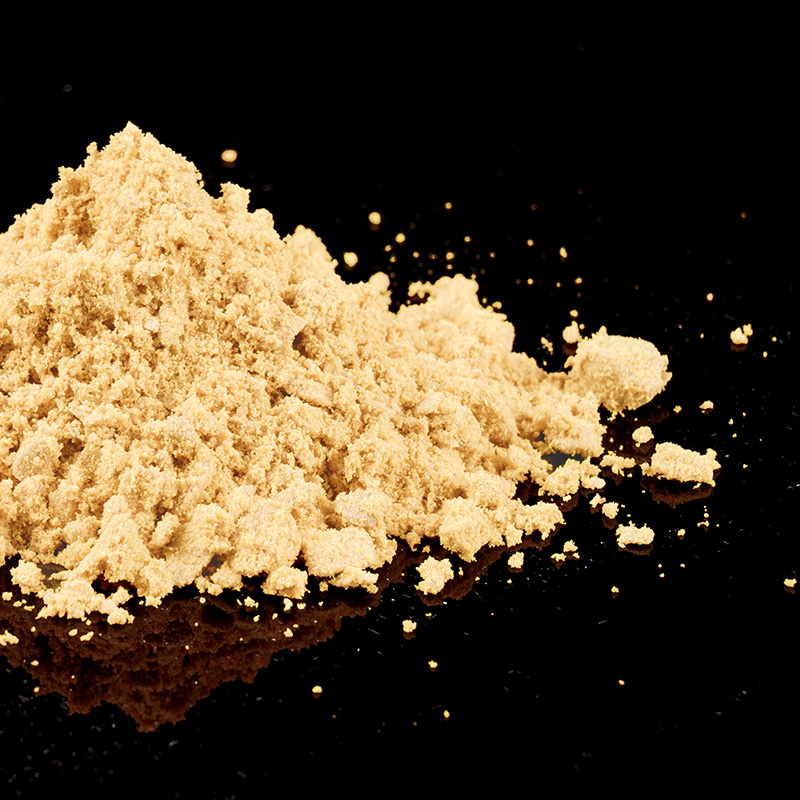 5-Hydroxymethylfurfural (HMF): A Versatile Bio-Based Platform ChemicalA reactive furan platform molecule with aldehyde and hydroxymethyl groups, enabling derivatives like FDCA and PEF. See it here as the hub for multiple monomer families.View Product →
A platform molecule is a hub, not a destination. Feed it through different reaction trains and it branches into distinct monomer families. This is why manufacturers describe HMF as one input with many outputs:
A contract for HMF is therefore a contract for an entire downstream portfolio. Zhejiang Sugar Energy Technology, based in Ningbo, organizes its catalog around exactly this logic: a flagship HMF monomer, five platform molecules, and a widening family of high-value furan products. The product line is a practical reminder that purity in the starting monomer decides yield and color in every derivative downstream.
The company's technical note on HMF structure, production, purity, and industrial sourcing is a useful reference point when comparing supplier claims.
The strategic question is no longer whether furan chemistry can match petrochemical performance. It is which supplier can deliver consistent HMF at a purity, quantity, and price that make the downstream chemistry economical.
Once HMF moves from a research flask to a 200 kg drum, three variables dominate the buying decision: purity, stability, and the supplier's ability to prove both.
Purity on a certificate of analysis is a composite number. For HMF, the impurities that matter most are residual water, levulinic acid, formic acid, and insoluble humins from synthesis. Water above roughly 1% accelerates rehydration on storage; humins drift the color from pale yellow to amber and clog filters in polymerization; acids shift pH where HMF is used as a reactive intermediate.
| Grade | Purity | Typical characteristics | Preferred use |
|---|---|---|---|
| Standard | ≥ 95% | Pale yellow crystals, light caramel odor | Resin intermediates, feed additives, fine synthesis |
| Polymer grade | ≥ 98% | Controlled water, low humin content | FDCA oxidation, polyesters, long-chain monomers |
| Custom | ≥ 99% | Color, water, and metal ions specified | Pharma intermediates, catalyst screening, medical materials |
Trace metals deserve special attention. Iron, chromium, and copper at ppm levels do not appear in a simple GC assay, yet they can change the kinetics of a noble-metal oxidation or catalyze radical side reactions during polymerization. Ask for the ICP-MS heavy-metal report before qualifying a supplier, particularly if the route uses palladium, platinum, or ruthenium catalysts.
HMF is thermally sensitive. Above its melting point it can rehydrate into levulinic and formic acids; under acidic or prolonged high-temperature conditions it self-condenses into insoluble material. Kept dry, cool, and airtight, the solid is reasonably stable. The melt is not.
Common failure mode. A drum is opened, partially used, and left in a warm production area for a week. Even at 98% purity, visible darkening and reduced effective yield are predictable. Keep containers sealed, store below 25 °C, and protect from direct sunlight.
Process caution. If HMF is heated in the presence of mineral acids, use a vented system with a documented pressure assessment. Decarbonylation and humin-forming pathways generate gas and carbonaceous residue that is difficult to remove from glass-lined and stainless equipment.
With a secure HMF supply, the portfolio expands quickly. FDCA has drawn the most attention because it is a rigid diacid comparable to terephthalic acid in structure. PEF, its polyester, offers oxygen and carbon dioxide barrier properties that exceed PET, making it relevant for beverage bottles, films, and thermoformed food packaging.
Beyond those two, the reduced derivatives matter for industries that need flexible chains. FDM and THFDM behave as diols for polyesters, polyurethanes, and coatings. BAMTHF provides two primary amines on a saturated ring for epoxy and polyamide routes. OBMF contributes dialdehyde functionality for crosslinked systems.
 2,5-Furandicarboxylic Acid (FDCA): Bio-Based Aromatic DiacidA PTA substitute for polyesters and polyamides, supplied with HMF and PEF. Its dual functionality supports qualification efficiency across the furan platform.View Product →
 Poly(ethylene 2,5-furandicarboxylate) (PEF): Bio-Based PolyesterA FDCA-based polyester with superior barrier and thermal properties versus PET. Relevant for packaging and textiles, backed by integrated biomass-to-PEF production.View Product →
A practical advantage of sourcing these from one furan platform is qualification efficiency. A single audit covers the quality system, one logistics agreement covers the group, and the technical team can explain how each derivative behaves relative to the others. For teams comparing 2,5-furandiyldimethanol with incumbent diols such as 1,4-butanediol, that cross-product visibility can shorten pilot timelines considerably.
Scale separates a tolling operation from a true monomer platform. Any synthesis lab can ship a 100 gram bottle; industrial reliability requires reactors, distillation or crystallization trains, effluent handling, and quality control that appear only at scale. Zhejiang Sugar Energy has operated a 1,000-ton HMF line in stable production and has advanced a 10,000-ton production base in phases — the kind of capacity that tells a procurement team the supplier has already solved the problems that show up after year one.
Signs of a mature supplier. Batch traceability back to the sugar feedstock, a COA that includes water content, metals, and a humin index; packaging and logistics designed for a material that melts near 30 °C; and a technical team that discusses failure modes rather than defending them.
Institutional background matters as well. Sugar Energy was founded in 2017 as a national high-technology enterprise, co-built with the Ningbo Institute of Materials Technology and Engineering of the Chinese Academy of Sciences. That research connection is visible in the range of certified products and in the development pipeline — and it is a reasonable proxy for the process understanding that keeps upstream quality problems from becoming downstream surprises.
When you shortlist a supplier, ask for three things: a certificate of analysis from an actual production batch, the results of an accelerated storage study, and a look at the production line — in person or by video. A supplier that hesitates on all three is assuming you will not ask.
Hydroxymethylfurfural has moved from a research curiosity to an industrial raw material. The molecule itself is well characterized; the market differentiation lives in the quality system, the stability discipline, and the production scale behind each shipment.
A concrete next step: order a kilogram from a supplier that can also show you an industrial line, specify your target purity rather than accepting the standard grade, plan storage conditions before the drum arrives, and run your own polymerization with filtration and color measurements on record. That experiment will tell you more than any brochure.
For a project around HMF, the practical questions — which grade, which storage protocol, which derivative first — are best answered by producers who have tested them at scale. Use their experience, verify the data, and build your roadmap around a molecule that is finally living up to its promise.

Copyright© Zhejiang Sugar Energy Technology Co., Ltd. All Rights Reserved.
 Custom Biobased Polymer Manufacturers
 英语
 中文简体