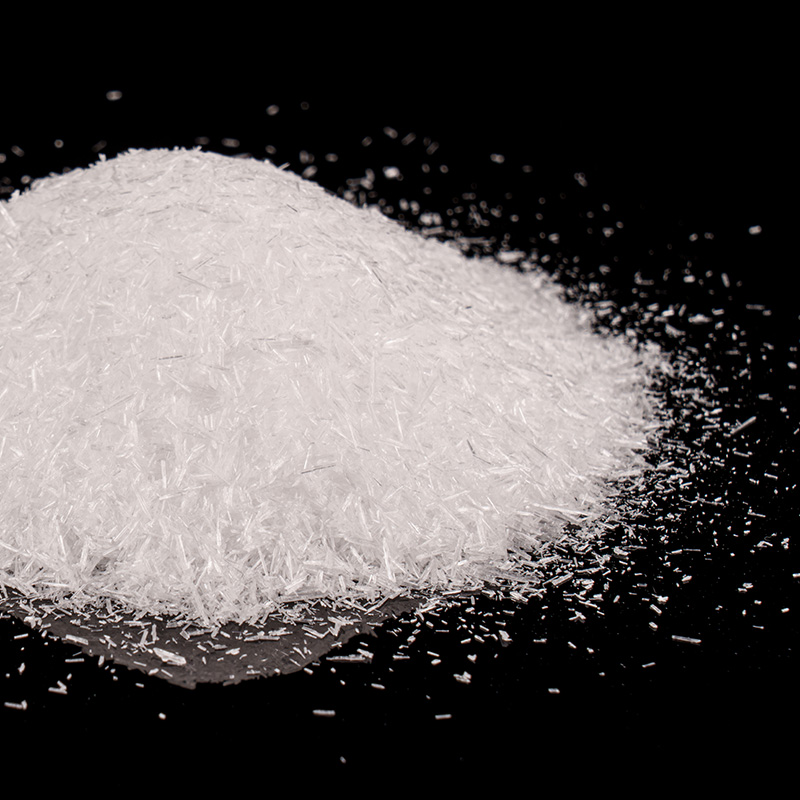
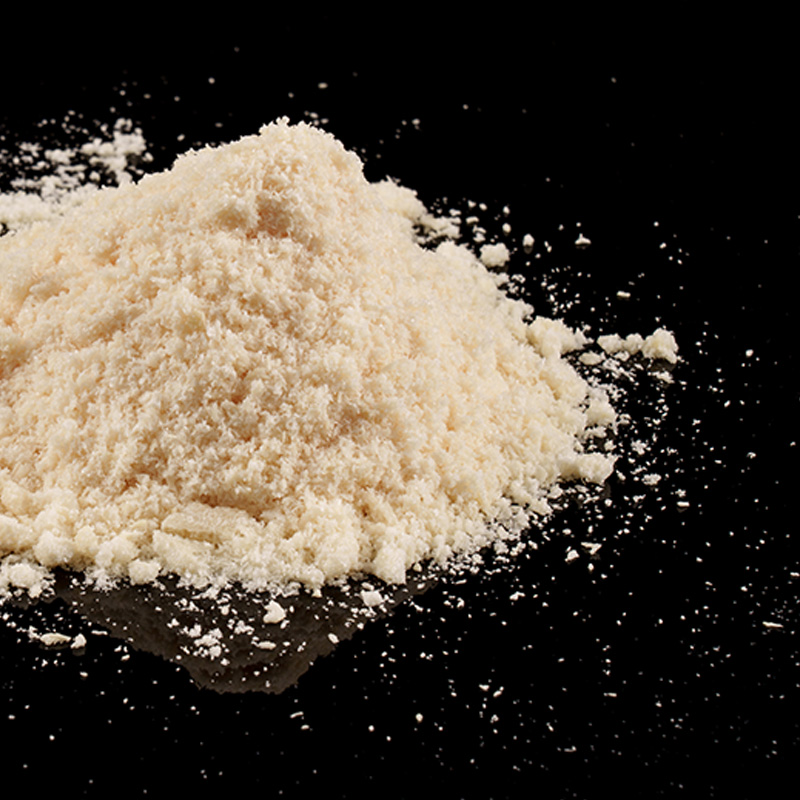
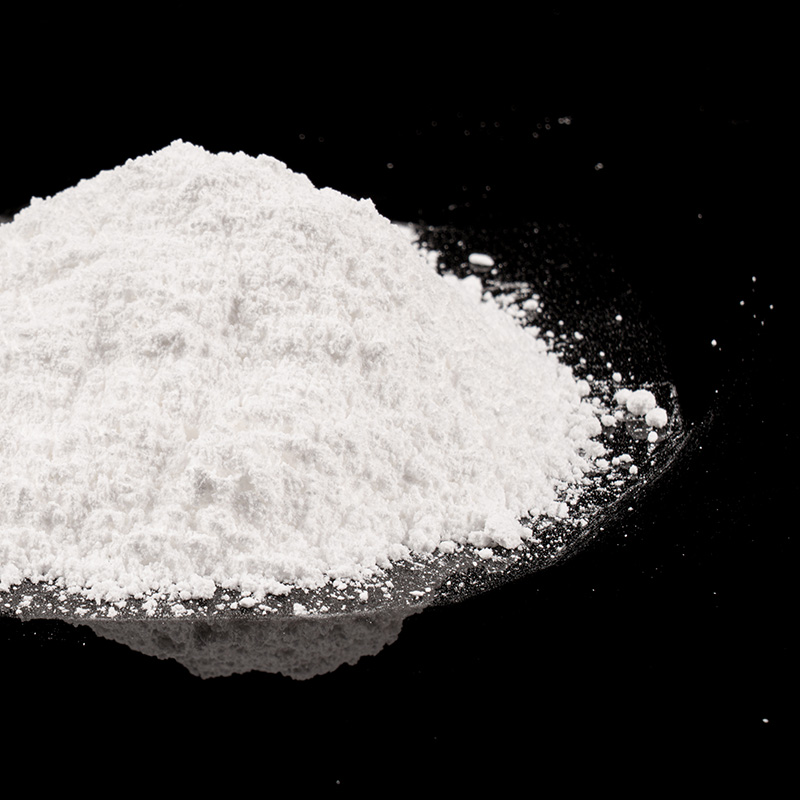
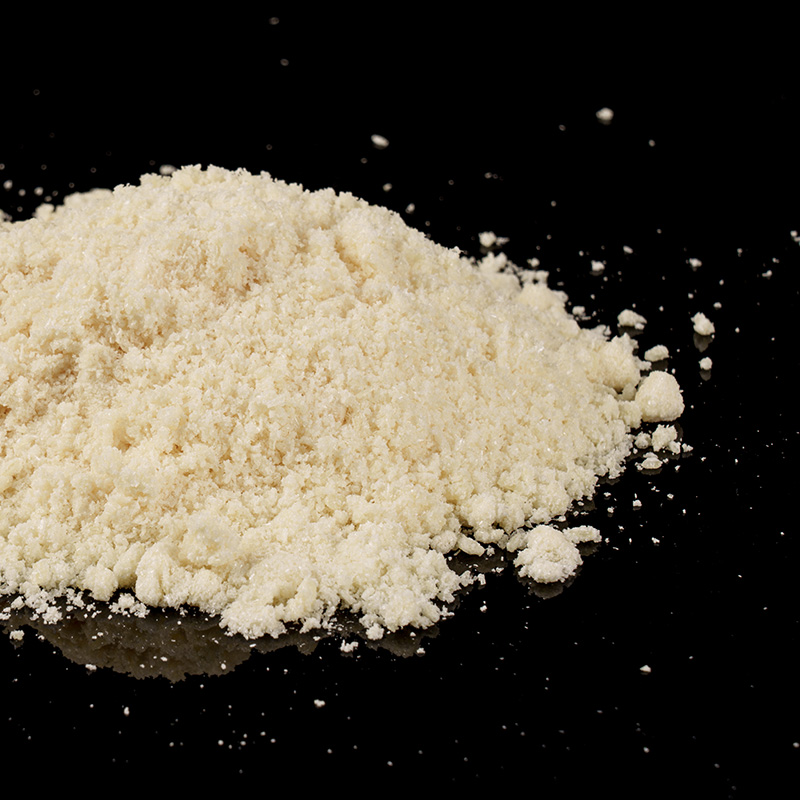
A purchasing manager opens a 25 kg drum of HMF, reads the certificate of analysis and finds 98.4% where the specification asks for 99.0%. The gap looks like a rounding error. Two hours later it is a dark, filter-clogging slurry sitting in the oxidation reactor.
That is the short version: hydroxymethylfurfural is simple to describe and stubbornly difficult to deliver consistently. The molecule (C6H6O3, molecular weight 126.11, CAS 67-47-0) is a furan ring carrying an aldehyde on one side and a hydroxymethyl group on the other. Nearly every commercial use depends on one of those two handles, and nearly every quality complaint traces back to what happened to them before the drum was sealed.
What follows covers what the molecule actually is, how it is made, what it becomes downstream, and which specification lines genuinely protect a project.
HMF is a furanic aldehyde, but a comparatively well-behaved one. The furan ring is aromatic, planar and rigid, with the two substituents sitting at the 2- and 5-positions. That geometry is why HMF oxidises and hydrogenates predictably, and why the polymers built from it inherit stiffness and barrier performance rather than the softness typical of many aliphatic bio-based chains.
The aldehyde oxidises to a carboxylic acid, reduces to an alcohol, or enters condensation and reductive amination chemistry. The hydroxymethyl group esterifies and etherifies. Between the two handles, a single C6 building block can be pushed toward polyesters, polyamides, resins, plasticisers and fuel intermediates, which is precisely what makes HMF a platform molecule rather than a niche fine chemical.
| Property | Typical value | Why it matters commercially |
|---|---|---|
| Molecular formula | C6H6O3 | Basis for assay and charge calculations |
| Molecular weight | 126.11 g/mol | Stoichiometry in oxidation, condensation and polymerisation |
| CAS number | 67-47-0 | Documentation, customs and regulatory filing |
| Appearance | Pale yellow to amber liquid, or low-melting solid | Colour shift is the first visible sign of ageing or humin carry-over |
| Assay (HPLC) | 98.0-99.5% typical | The most quoted number and the least standardised method |
| Water content | 0.3-0.5% maximum | Accelerates degradation and skews dry-basis stoichiometry |
| Storage | 2-8 °C, dark, nitrogen headspace | Determines usable shelf life and the re-test interval |
HMF is not furfural. The two are often mentioned together and sometimes confused in procurement documents. Furfural (C5H4O2) comes from pentoses such as xylose and carries a single aldehyde on the furan ring. HMF comes from hexoses, carries an additional hydroxymethyl group, and opens a different set of downstream chemistry. Specifications are not interchangeable.
Industrial HMF comes from the acid-catalysed triple dehydration of hexoses, with fructose as the substrate of choice; classic work reported roughly 57% yield from the fructose portion of the sugar molecule. Glucose, sucrose, starch, cellulose and agar have all been used as starting materials. That feedstock flexibility is a genuine advantage of the chemistry, but it does not automatically deliver batch-to-batch consistency, because each feedstock brings its own impurity profile into the reactor.
Dehydration is only half the story. Under acidic conditions HMF rehydrates to levulinic and formic acid, self-condenses into soluble polymers and insoluble humins, and darkens as it goes. Conversion is almost easy; selectivity is the engineering problem. The distance between a 92% product and a 99% product is usually not the reactor design but the work-up: extraction, distillation, crystallisation and drying, and how much colour and residual acid those steps allow to travel into the final drum. Teams comparing process options can review selectivity control and purification routes in more detail before committing to a specification.
Scale changes the picture again. A route that gives clean product in a two-litre flask can behave differently at tonne scale, where residence time, heat removal and solvent recovery all shift the impurity profile. Buyers should ask which step of the chain is being controlled, not only which assay is printed on the front page.
The practical value of hydroxymethylfurfural lies in the number of distinct product families it can feed, each with its own purity requirement and its own failure mode.
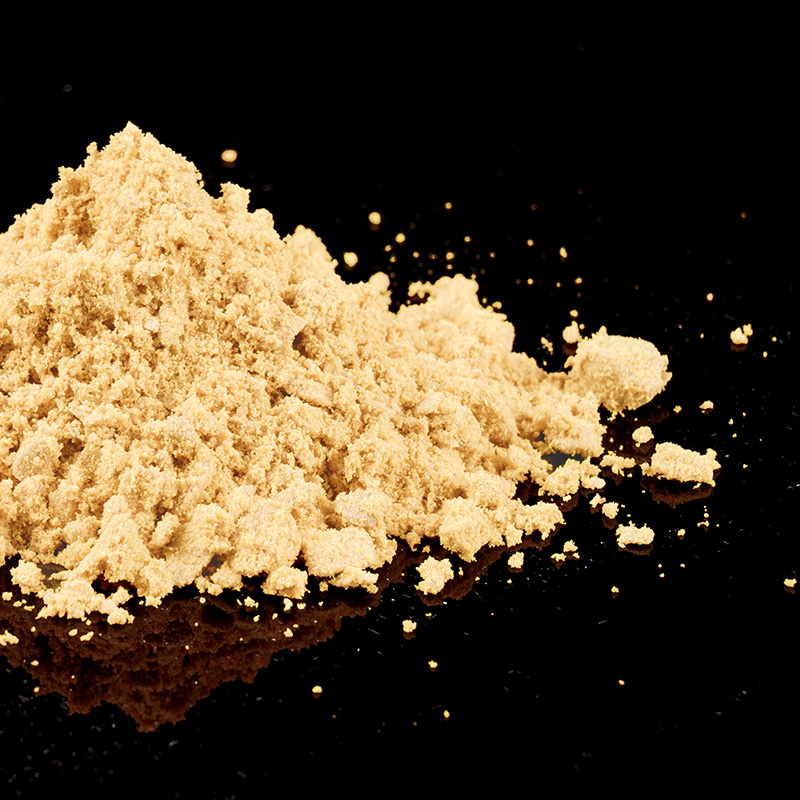 5-Hydroxymethylfurfural (HMF) Bio-Based Platform MoleculeIndustrial and high-purity HMF grades feed DFF, FDCA, FDM and PEF, with purity and storage critical to downstream conversion.View Product →
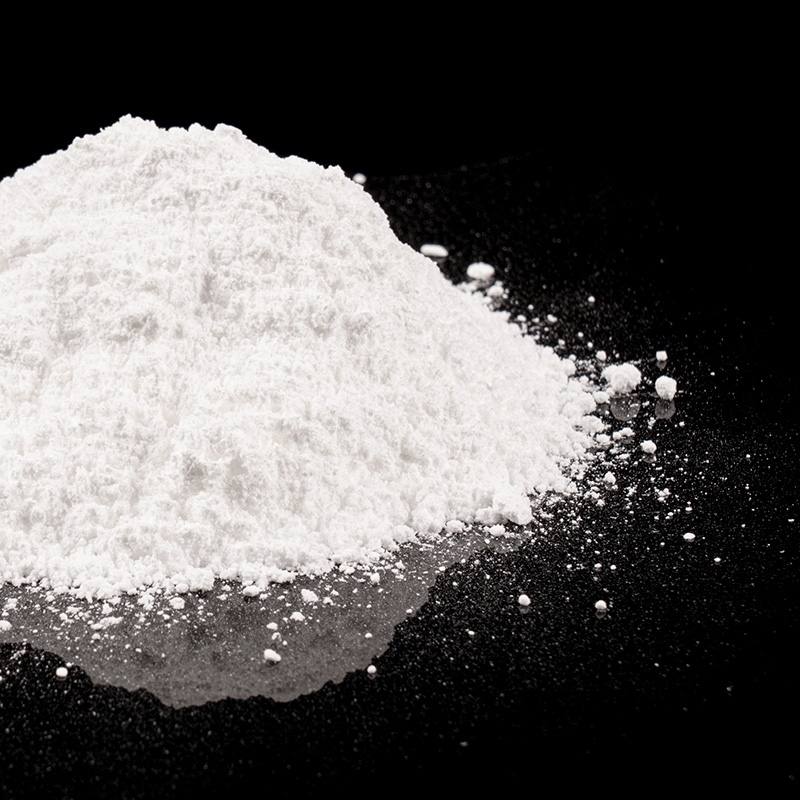 2,5-Furandicarboxylic Acid (FDCA) Polymer-Grade MonomerFDCA is positioned as a PTA substitute and co-monomer for bio-based polyesters, with polymer-grade impurities affecting downstream PEF color and molecular weight.View Product →
FDCA and PEF attract most of the attention because they compete directly with terephthalic acid and PET. PEF's oxygen barrier and thermal behaviour are its selling points, and the practical constraint is that both depend heavily on monomer quality. A few hundred parts per million of residual acid or trace metal in the FDCA feed is enough to shift colour and molecular weight in the finished polymer, and colour problems in PEF are difficult and expensive to fix after polycondensation.
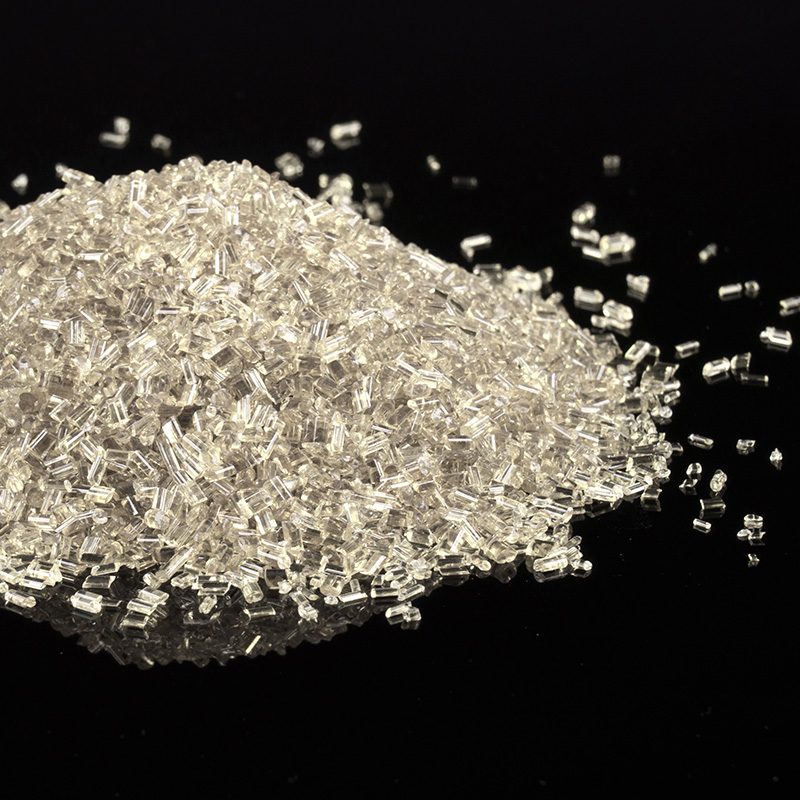 PEF Furan-Based Polyester for Barrier Packaging and FibersPEF offers improved gas barrier and hot-fill performance versus PET, but moisture-sensitive melt processing requires drying and grade-specific crystallization adjustments.View Product →
The pattern repeats across the chain: the molecule on the drum label is rarely the molecule the customer actually buys. What the customer buys is a repeatable conversion, and that is decided upstream.
Most HMF complaints trace to a small set of variables, and none of them is fully captured by a single assay number.
Storage deserves its own line item. Behaviour under different temperatures and humidity is well documented, and the gap between a laboratory stability study and a six-week sea freight is usually wider than expected; stability data across storage conditions is worth reading before signing off on packaging and logistics.
Watch the cold chain, not just the assay. HMF darkens faster under heat and light than most data sheets imply. Storage at 2-8 °C under nitrogen, protected from light, with stock rotated inside a defined window, prevents most surprises. A drum that has spent six weeks in a warm container is not the same material that left the plant, even if the retained sample still tests clean.
Not all HMF is industrial. It forms naturally in sugar-rich foods during heating, through caramelisation and the Maillard reaction, which is why it is used as a marker of heat exposure and storage history in honey, fruit juices and syrups. In that context HMF is a quality indicator rather than a raw material, and the analytical methods are written for food matrices rather than chemical drums.
A smaller research thread examines HMF and its derivatives as feed-additive candidates, where effects are assessed at defined dose levels. The two worlds share a molecule and almost no specification language, which is a frequent source of confusion when a technical data sheet crosses from one to the other.
When comparing HMF suppliers, these questions separate producers from resellers faster than any brochure.
A supplier who answers item eight without hesitation is usually a manufacturer. One who answers the first three with typical values is usually reselling someone else's production.
HMF is not sold as a chemical. It is sold as a reproducible starting point, and everything downstream — catalyst life, colour, molecular weight, yield — is decided before the drum is filled.
For teams building furan-based polyesters, resins or intermediates, the working rule is unglamorous but reliable: write the specification in operational terms, verify the analytical methods rather than the headline number, and treat storage as part of the process instead of an afterthought. The molecule has been known for well over a century. What remains difficult is making it arrive in the same condition every single time, which is exactly what a platform chemical is expected to do.

Copyright© Zhejiang Sugar Energy Technology Co., Ltd. All Rights Reserved.
 Custom Biobased Polymer Manufacturers
 英语
 中文简体