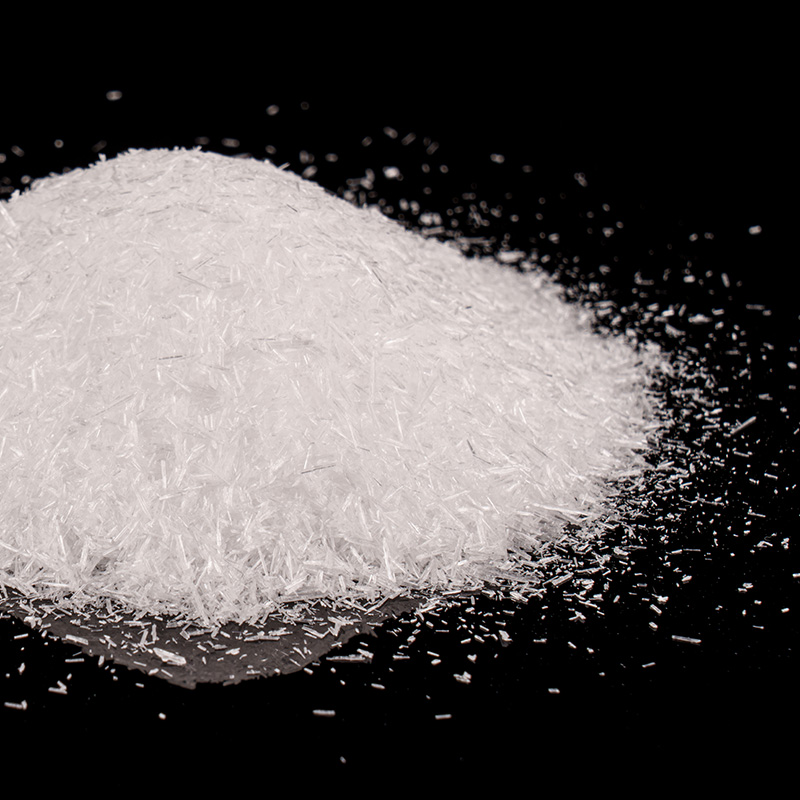
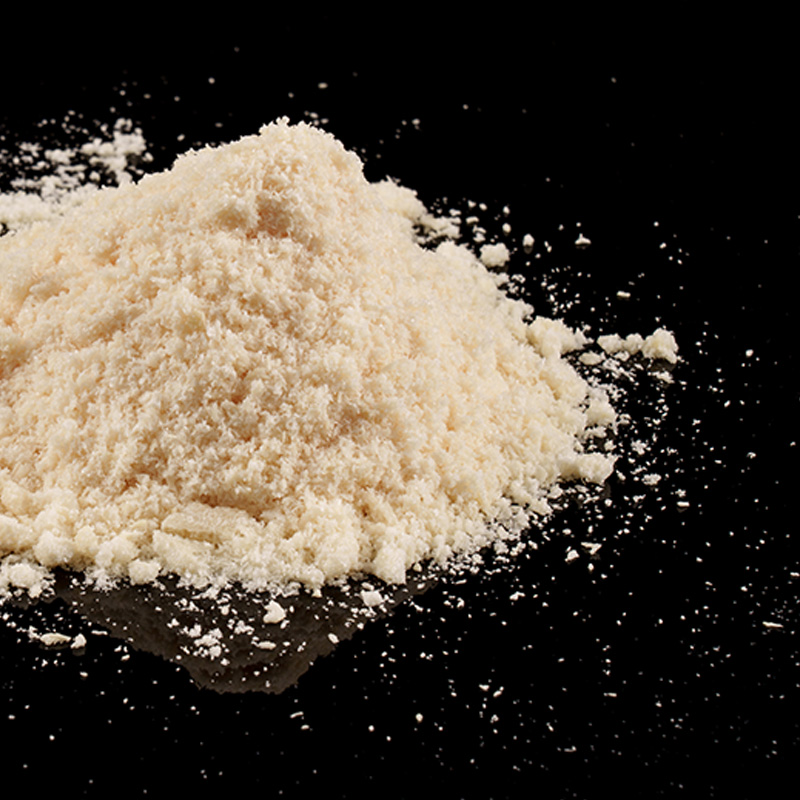
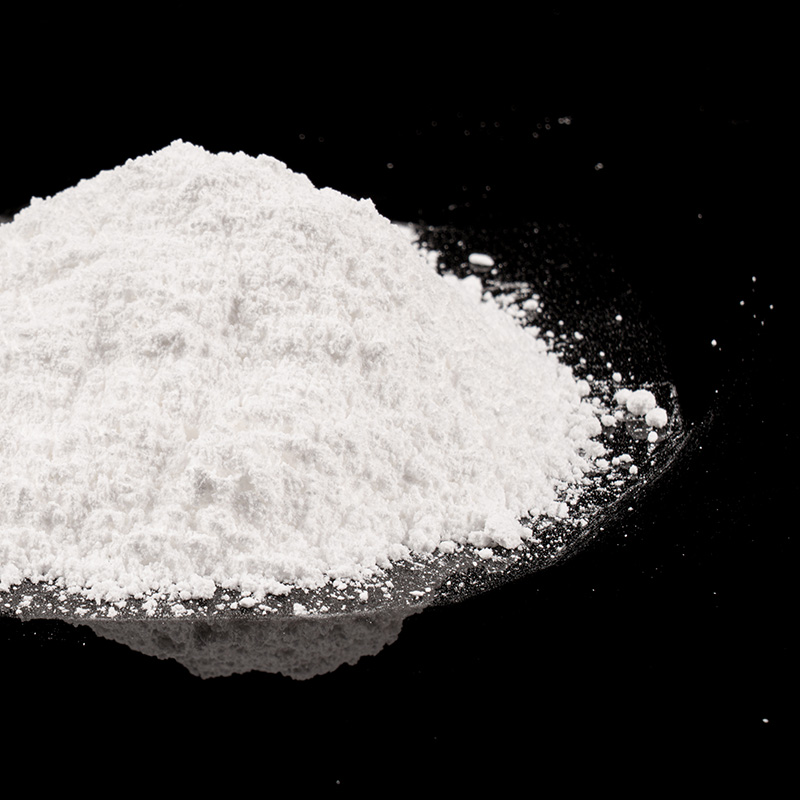
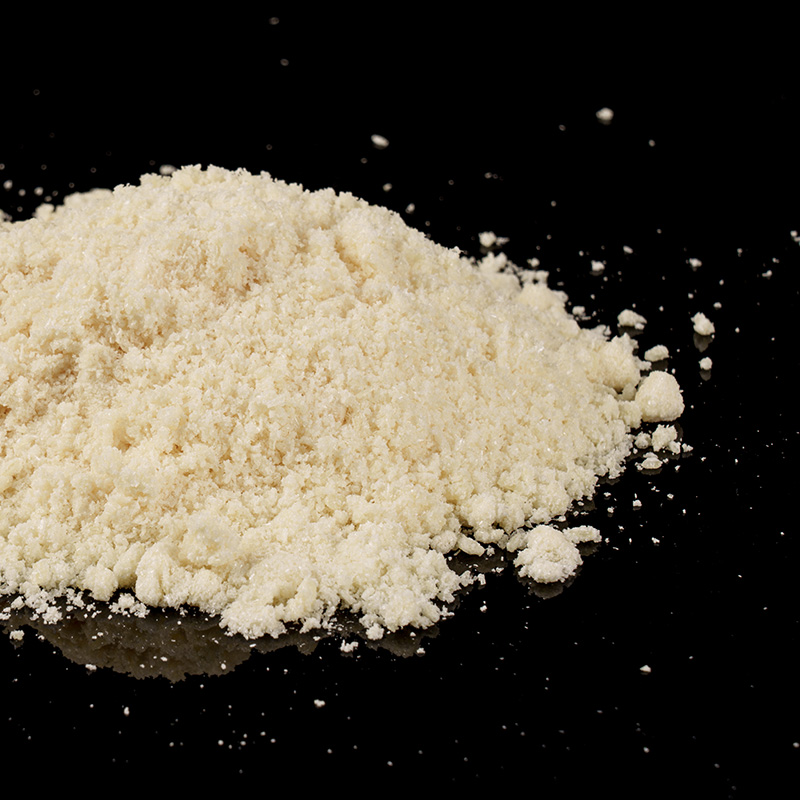
Picture three settings: a jar of honey that has spent a summer in a warm warehouse; a technician scooping HMF from a sealed drum; and a formulation team testing a bio-based polyester. The same chemical name appears in all three, but the hazard story changes with dose, route, and duration.
The useful conclusion is not that HMF is simply “safe” or “dangerous.” It is that food exposure and occupational exposure belong in different risk conversations. Buyers should follow the context in which the material will be used, not a single warning word taken out of context.
5-Hydroxymethylfurfural (HMF) forms when sugars are heated in acidic conditions. It appears naturally in honey, fruit juice, coffee, caramel, and browned bakery goods, and it is also produced industrially from fructose or glucose as a platform molecule. Its structure combines an aldehyde with a hydroxyl group, which makes it reactive in both food chemistry and chemical synthesis.
That reactivity explains the double story. In food, a rising HMF value can indicate excessive heat, long storage, or a low-pH environment. In a reactor, the same reactivity is the point: HMF can be converted into furan-based acids, esters, alcohols, and polymers. A food-quality marker, an industrial intermediate, and a polymer precursor may share a name, but they do not share one specification or one risk profile.
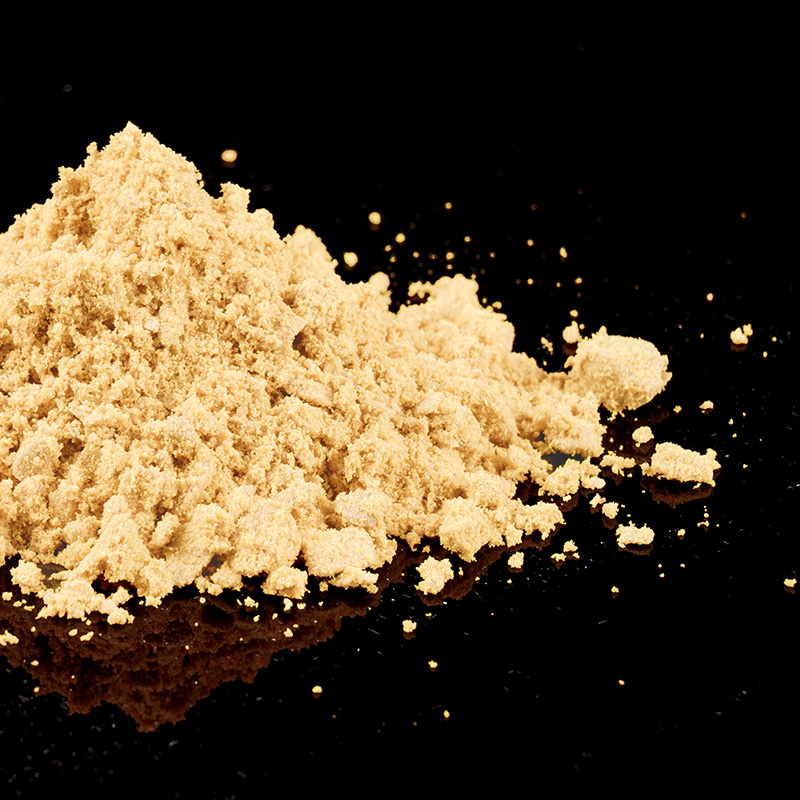 5-Hydroxymethylfurfural (HMF) Bio-Based Furan IntermediateIndustrial ≥98% and high-purity ≥99.9% grades of this reactive furan platform, relevant for FDCA, PEF, and fine-chemical routes.View Product →
Honey is the clearest example. Many quality standards treat HMF as a freshness indicator, with common limits around 40 mg/kg and higher allowances for some industrial baker's honey. Fruit juices, coffee, caramel colors, and toasted foods can also contain HMF, with levels rising under heat and acidity.
For a shopper, a normal serving of a browned food is not a meaningful toxic dose in ordinary circumstances. The more useful message is process control: an unusually high HMF value can point to overheating, poor storage, or an acidic environment that has pushed sugar degradation further than intended.
“The same molecule can be a freshness marker in honey, an irritant in a drum, and a platform building block in a polymer plant. The setting decides the risk conversation.”— Editorial note
Available toxicology reviews tend to find low carcinogenic and genotoxic concern at typical dietary exposure, while long-term high intake remains something to monitor rather than dismiss. The concrete food issue is not that every browned crust is an emergency; it is that HMF can flag thermal abuse and should be watched in sensitive products.
| Context | Main route | What matters most |
|---|---|---|
| Honey, juice, coffee, toasted foods | Eating and drinking | Heat and storage history; HMF as a freshness or processing marker, not a stand-alone poison verdict. |
| Caramel color and processed ingredients | Dietary, ingredient-level | Specification and process control; total diet and intake context still matter. |
| Concentrated HMF in a plant | Skin, eyes, inhalation | SDS controls, ventilation, PPE, and spill management. |
| Wastewater and spills | Environmental release | Containment and treatment; H412 aquatic hazard. |
For a worker or buyer handling concentrated HMF, the safety data sheet is more relevant than a food-frequency question. Common HMF SDS statements include H315 for skin irritation, H319 for serious eye irritation, H335 for respiratory irritation, and H412 for harm to aquatic life. These are handling hazards, not proof that the molecule is broadly poisonous at trace levels.
Risk controls follow the route. Skin contact calls for suitable gloves, sleeves, and closed shoes; eye protection should be chemical goggles or a face shield; inhalation risk calls for local exhaust ventilation and control of dust or vapour; spills should be absorbed, contained, and kept out of drains.
HMF is bio-based in origin, but origin is not a toxicological category. A plant-derived aldehyde can still be an irritant. For formulators, the meaningful question is what the material does in the intended process: does it remain in the final polymer, is it consumed during conversion, can it volatilize, and what residuals remain?
When HMF is converted to FDCA or polymerized into PEF, the final material does not automatically inherit the handling profile of the starting monomer. Each substance in the chain needs its own SDS and specification. That is why a single “green” claim is too blunt for a safety review.
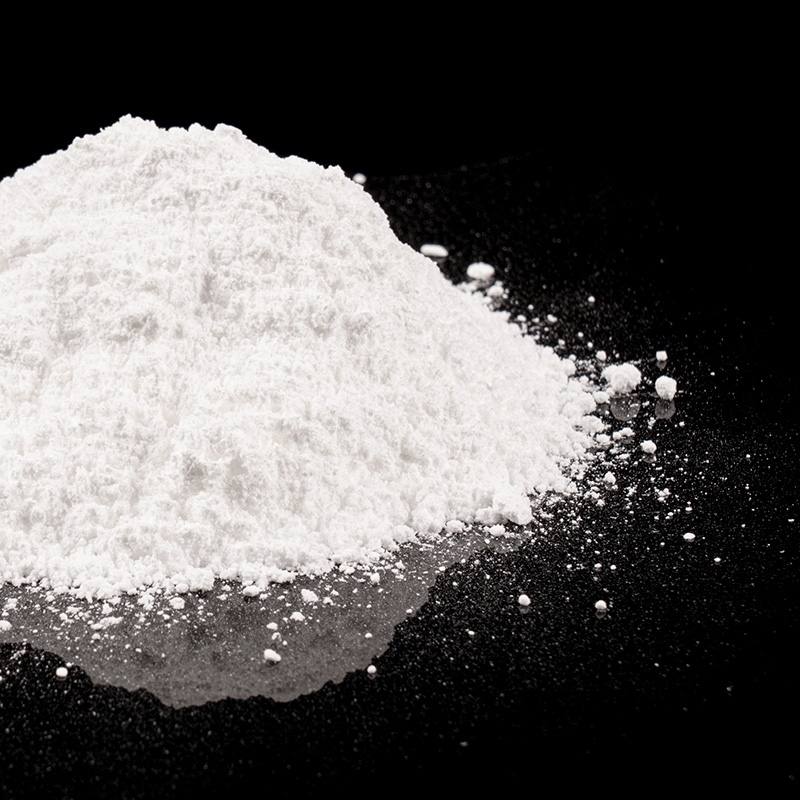 2,5-Furandicarboxylic Acid (FDCA) Polymer-Grade MonomerHMF-derived dibasic acid positioned as a PTA alternative or modifier, with polymer-grade release criteria for polyesters and barrier packaging.View Product →
Concentrated HMF is affected by heat, light, and moisture. A degraded or water-contaminated lot can change reactivity and downstream yield, which is a commercial risk before any safety incident occurs. Purity grade also matters because residual sugars, acids, solvents, or water can influence odour, irritation potential, and process stability.
For a buyer, the strongest safety document is not a marketing claim. It is a current specification, an SDS for the exact grade, and a process review that matches the material to the route of exposure. A sourcing guide on HMF purity, stability, and buyer checks is useful for that desk review.
The H412 phrase—“harmful to aquatic life”—deserves attention in plant design. Spills, tank cleaning, and wastewater streams should be contained and routed to appropriate treatment. A bio-based feedstock does not make a process stream harmless to fish or microbes.
At the material level, HMF’s role is mostly upstream. The larger environmental questions usually sit with the downstream polymer: feedstock sourcing, energy use, recyclability, and end-of-life. Furan-based polyesters are one route where HMF’s carbon skeleton becomes a finished material; the company’s sustainability approach is a useful starting point for that review.
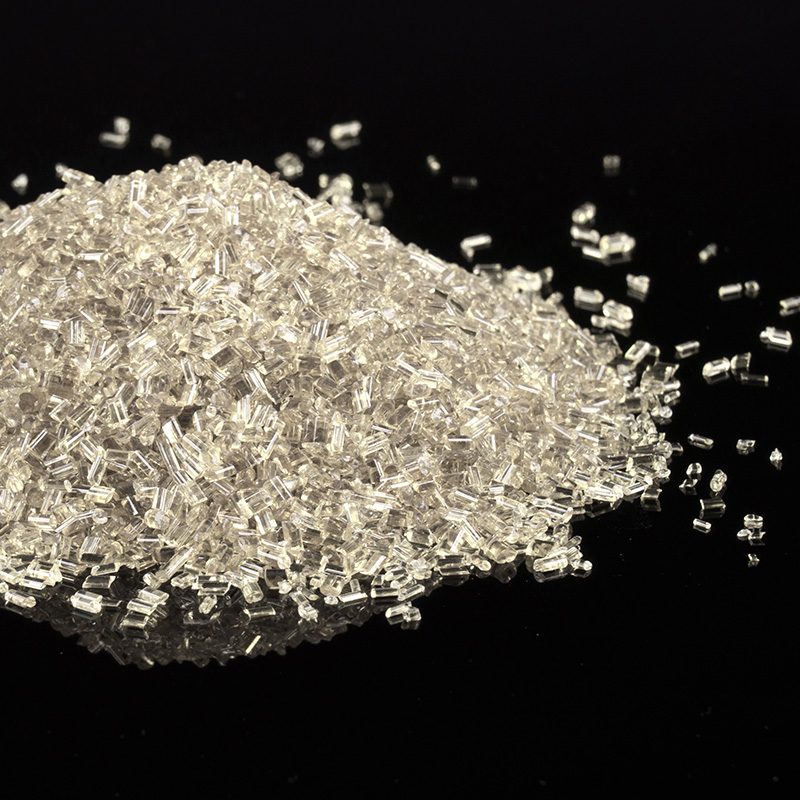 Poly(ethylene 2,5-furandicarboxylate) (PEF) Bio-Based PolyesterFDCA-based polyester for bottles, films, fibers, and engineering plastics, with higher gas barrier and hot-fill performance than PET.View Product →
That does not make PEF safe or sustainable by default. It means the environmental and handling questions should be asked at the right stage of the chain.
For a consumer, ordinary dietary HMF is best treated as a freshness and processing indicator: worth monitoring in sensitive foods, not a reason to fear every brown crust. For an industrial user, HMF is a reactive aldehyde with real irritation and environmental hazards; the SDS, ventilation, PPE, spill control, and storage discipline are not optional.
HMF is harmful in the wrong exposure, at the wrong concentration, with the wrong controls—and useful in the right process, at the right grade, with the right handling. That distinction is not semantic. It determines how the material is bought, stored, converted, and defended in a safety review.
If your team is evaluating HMF for a food-adjacent application, begin with food-quality evidence and intake context. If you are specifying it for a chemical line, begin with the SDS and a route-by-route exposure review. Both paths lead to better decisions than a single yes-or-no label.

Copyright© Zhejiang Sugar Energy Technology Co., Ltd. All Rights Reserved.
 Custom Biobased Polymer Manufacturers
 英语
 中文简体