Furan Platform Chemistry / Technical Note
Neutral water at room temperature holds only a fraction of a gram to about one gram of 2,5-furandicarboxylic acid per litre. Raise the pH and the same white powder goes into solution by the tens of grams. That single fact shapes how FDCA is made, filtered, packed and polymerised.
Short answer first: FDCA is poorly soluble in pure, neutral water. At room temperature most reliable measurements sit in the very slightly soluble band, roughly 0.1 to 1 gram per litre, with many practical values close to 1 g/L. It dissolves readily in alkaline water, where it exists as the dicarboxylate salt, and it dissolves well in polar aprotic solvents such as DMSO and DMF. In hot water the number rises, but not enough to turn FDCA into a water-soluble commodity. Everything below follows from those three observations.
Solubility vocabulary is worth fixing before any number is quoted, because suppliers and handbooks often describe the same powder with different words. The conventional bands are: slightly soluble at 1 to 10 g/L, very slightly soluble at 0.1 to 1 g/L, and practically insoluble below 0.1 g/L. Room-temperature FDCA normally lands in the middle band, at the upper end of it in warm weather and clean crystalline grades, at the lower end for coarse or partly neutralised material.
This is not a defect to be engineered away. A monomer that stays in the aqueous phase only when you want it to, and precipitates when you acidify, is exactly what makes a water-based oxidation route practical in the first place. Buyers who understand the pH dependence avoid the two most common mistakes: assuming the powder will never dissolve, and assuming a stirred tank of water is enough to dissolve it.
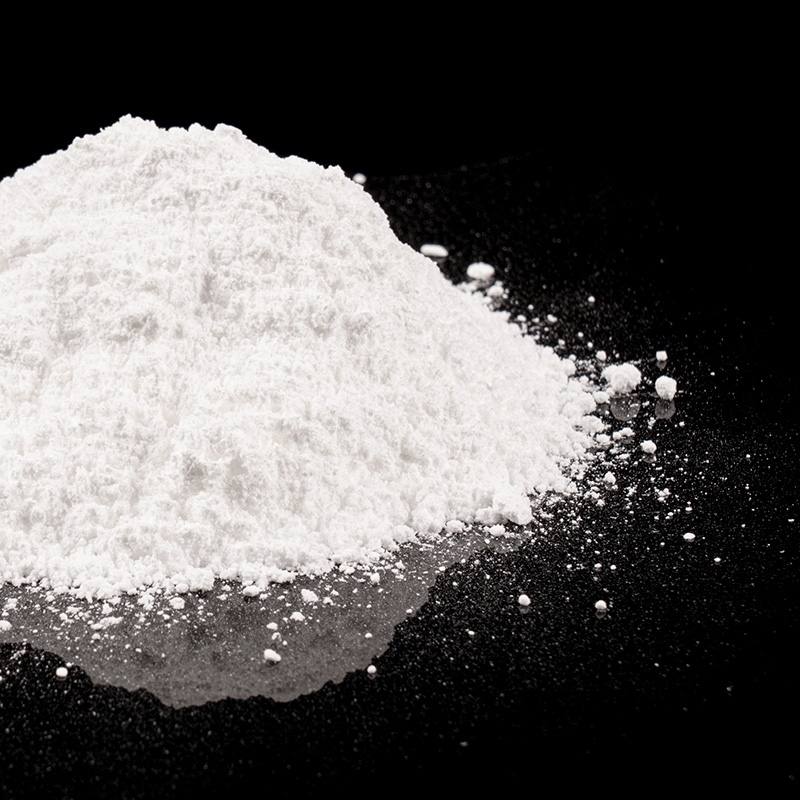 2,5-Furandicarboxylic Acid (FDCA) Bio-Based MonomerBio-based dibasic acid and PTA alternative whose pH-dependent solubility makes it practical for water-based oxidation routes and polyester monomers.View Product →
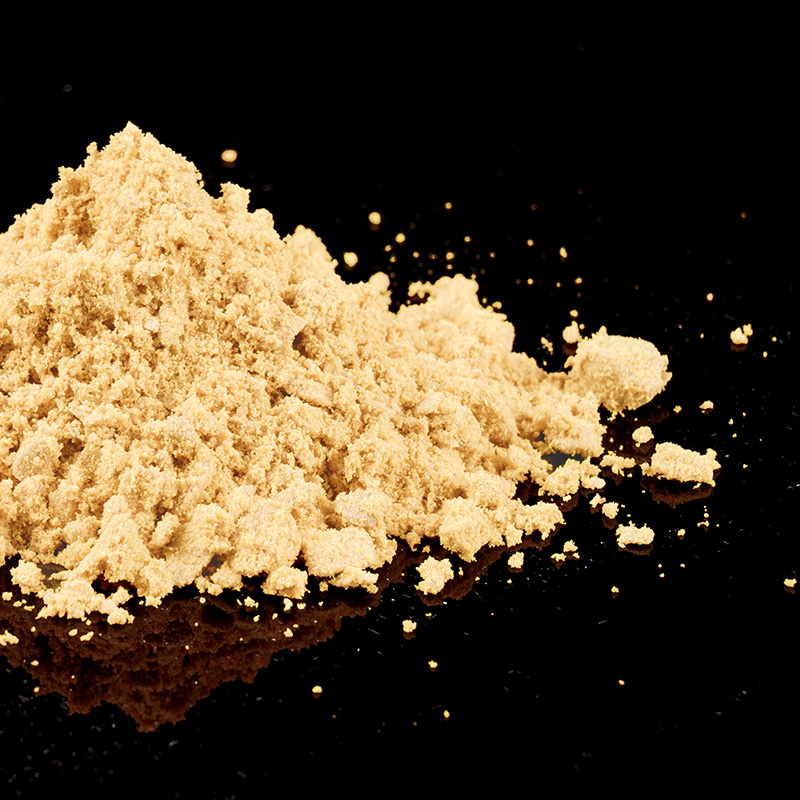
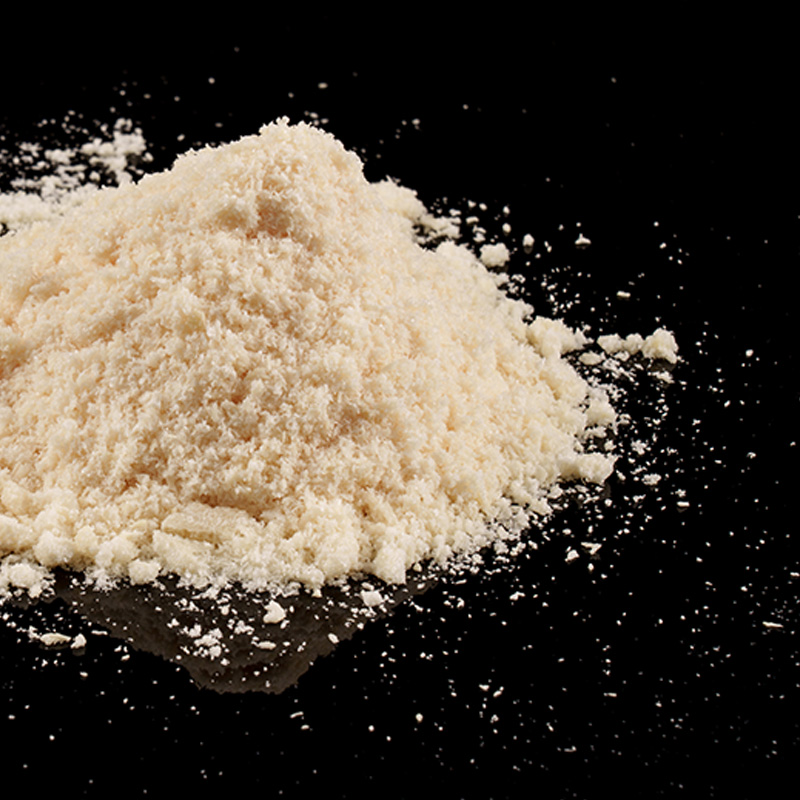
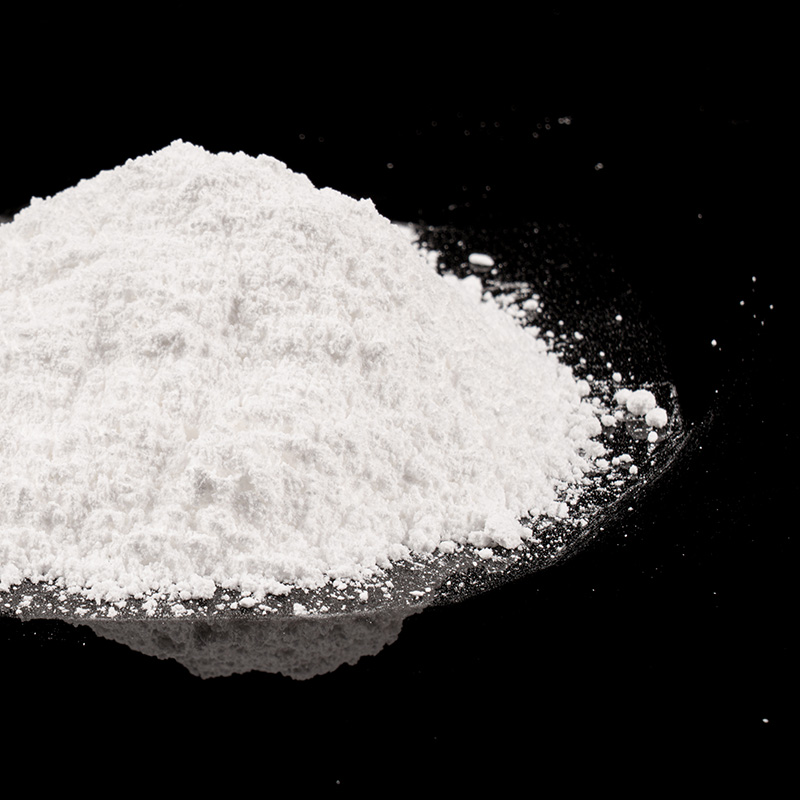
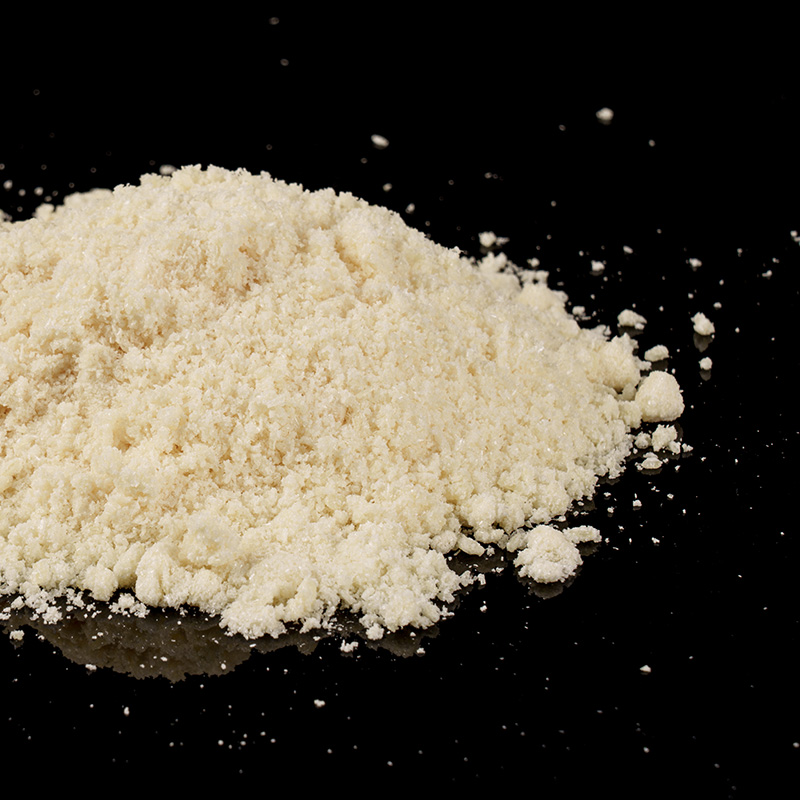
FDCA is chemically modest in size: C6H4O5, 156.11 g/mol, with two carboxyl groups fixed at the 2 and 5 positions of a flat five-membered furan ring. Nothing in that structure is hostile to water. The resistance comes from packing. In the crystal, carboxyl groups pair through strong hydrogen bonds and the planar furan rings stack against one another, so pulling one molecule out of the lattice costs more energy than the surrounding water recovers by solvating it.
That is why FDCA decomposes above 300 C instead of melting cleanly into a low-viscosity liquid, and why it sits so low in the water-solubility tables. It behaves like a smaller relative of terephthalic acid, the petrochemical diacid that is also nearly insoluble in water. Rigid, hydrogen-bonded diacids are poor aqueous solutes, and that property travels with the whole family. For a polymer producer, the practical consequence is simple: water is a good medium for making and purifying FDCA, and a poor medium for dissolving it on demand.
FDCA carries two carboxylic acids with pKa values widely reported near 2.6 and 3.6. Below pH 2 almost all of the molecule is the neutral diacid, and solubility is at its lowest. Around pH 4 to 5 the first carboxylate forms and the curve begins to rise. Above pH 6 to 7 both groups are deprotonated, the molecule carries two negative charges, and the sodium or potassium salt starts behaving like an ordinary ionic compound: tens of grams per litre, more at elevated temperature, and easily clarified for downstream processing.
Bench note
To dissolve FDCA for analysis or a small reaction, add 0.5 M sodium hydroxide dropwise to a stirred slurry and hold the pH near 7, warming to about 50 C. Overshooting to pH 10 buys very little extra solubility and creates extra salt that must be removed later. For NMR work, DMSO-d6 or a dilute NaOD/D2O solution is usually faster than fighting with neutral water.
At plant scale this same chemistry sets the shape of the process. Oxidation of HMF to FDCA is typically run in an alkaline aqueous medium, so the product exists as a soluble salt and can be separated from the catalyst and from insoluble by-products by simple filtration. Acidifying the clear liquor to roughly pH 2 to 3 converts the salt back into the free acid, which precipitates as a fine solid. The low solubility you measured in a beaker is the recovery step.
Heating helps, but not dramatically. A 25 C slurry and an 80 C slurry of FDCA look very different in practice, yet both remain far below the concentrations you would expect from a truly water-soluble organic acid. Polar aprotic solvents do far more work than hot water, which is why DMSO and DMF appear in most laboratory dissolution protocols.
| Medium | Approximate behaviour | What it means in practice |
|---|---|---|
| Pure water, 25 C | Very slightly soluble, roughly 0.1 to 1 g/L | Use a large liquid to solid ratio, or accept that a slurry is the normal state |
| Hot water, 80 to 100 C | Modest increase, still limited | Warm washes dissolve a little more product; losses stay small but are not zero |
| Dilute sodium hydroxide, pH above 7 | Readily soluble as the dicarboxylate salt, tens of g/L | The standard route for dissolution, analysis and salt-based purification |
| DMSO, DMF | Soluble at tens of g/L | Preferred for NMR and for reactions that cannot tolerate water |
| Methanol, ethanol | Limited, and acid-catalysed esterification competes | Do not expect simple dissolution; expect the methyl ester to form |
| Acetone, ethyl acetate, toluene | Negligible | Useful as wash solvents where residual water or acid must be removed |
Crystal form matters more than most data sheets admit. Rapid acidification produces very fine particles that dissolve quickly but filter slowly; slower neutralisation with seed material gives coarser crystals that filter well and dissolve more slowly. If a specification quotes a single solubility number, ask which crystal habit and which pH it refers to.
The recovery train is where the low solubility earns its keep, and also where it causes trouble. Acidification of a concentrated salt solution gives a high nucleation rate, so the solid arriving on the filter is usually finer than expected. Fine FDCA compresses into a low-permeability cake, wash water channels through it, and residual sodium salt survives into the dryer. Filter time and wash efficiency, not reactor yield, are the usual bottlenecks.
Watch point
Residual alkali plus a hot dryer is a poor combination. Ash content and colour both suffer long before any thermal decomposition becomes visible, and the free acid is not the only thing in the cake. Wash to a low conductivity reading, keep drying temperatures well below the decomposition range, and check sodium or potassium content on every grade intended for polymerisation.
Because the acid stays in solution only under basic conditions, the boundary between dissolving and recovering is a pH setpoint rather than a temperature setpoint. That makes the operation controllable and predictable, and it explains why production teams treat the neutralisation curve as a critical process parameter instead of a finishing detail. The wider conversion chemistry is described in our note on the HMF-to-FDCA conversion route, which follows the same salt-then-acid logic.
Low water solubility is only half the story. FDCA is also difficult to melt without decomposing, which makes direct melt polymerisation with ethylene glycol awkward: the slurry stays heterogeneous for too long, and the diol has to do the dissolving that water could not. The standard answer is the dimethyl ester. Esterifying FDCA with methanol gives FDME, a crystalline solid that melts around 140 C, dissolves comfortably in the reaction mass, and can be purified by distillation or recrystallisation before it ever reaches the polycondensation vessel.
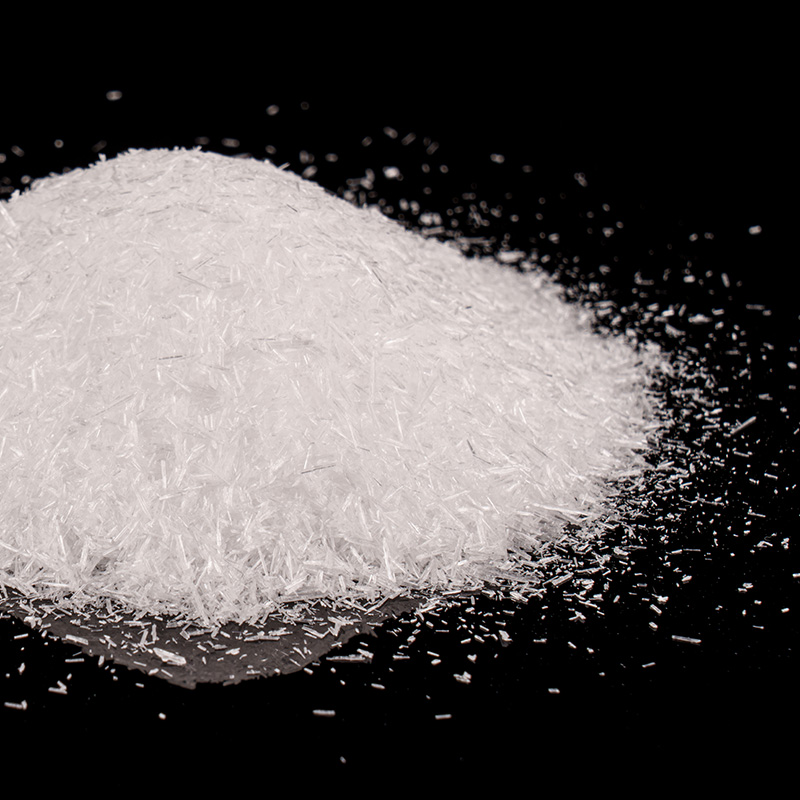 FDME: FDCA Dimethyl Ester for PEF and IntermediatesCrystalline FDCA dimethyl ester used for transesterification to PEF, with good solubility in reaction mass and pharmaceutical intermediate applications.View Product →
Transesterifying FDME with ethylene glycol, then polycondensing under vacuum, produces poly(ethylene 2,5-furandicarboxylate). PEF delivers a notably better oxygen and carbon dioxide barrier than PET, which is why packaging developers keep returning to it, but its melting window sits lower than PET and its processing range is narrower. Those constraints are handled in the extrusion and thermoforming set-up, not by changing the monomer.
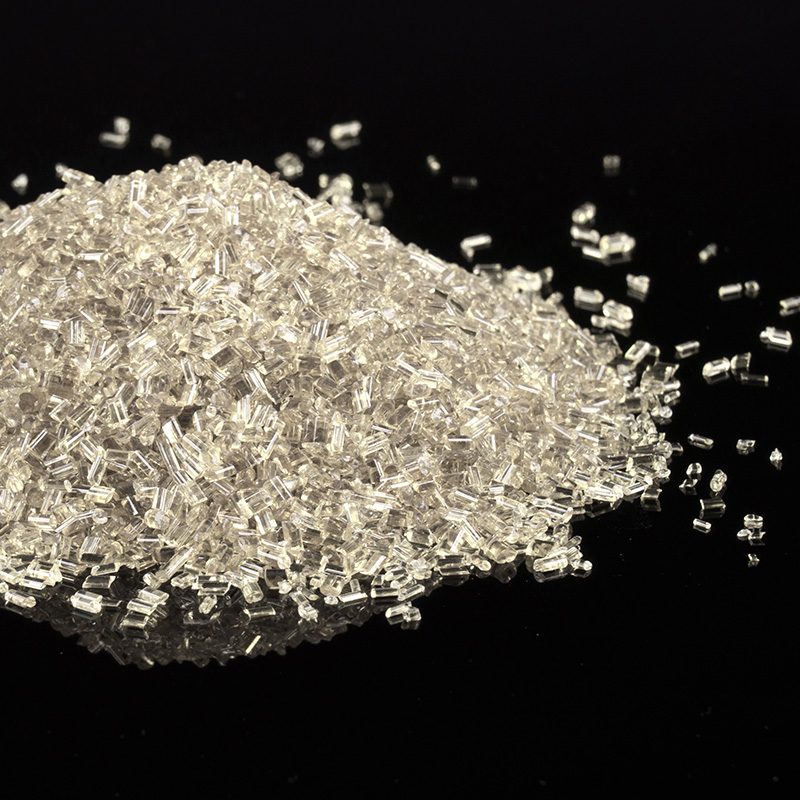 PEF Furan-Based Polyester for Packaging and FiberFuran polyester positioned as PET alternative with improved gas barrier and hot-fill performance, requiring drying and adjusted processing on conventional polyester equipment.View Product →
When you evaluate a supplier, treat the solubility figure as a process claim rather than a product property. The questions that matter are the ones a data sheet rarely answers directly.
Scale-up follows the same logic. Whether a grade behaves well in a 1 litre beaker says little about a 10 cubic metre neutralisation tank, where mixing, acid addition rate and seed strategy decide the particle size distribution. Our development line work is organised around exactly this bridge between bench solubility and plant filtration behaviour.
FDCA is sparingly soluble in neutral water, roughly in the 0.1 to 1 g/L band at room temperature, and that number does not move much with gentle heating. It becomes genuinely soluble once the carboxyl groups are deprotonated, which is why every industrial route, analytical method and purification step is written around pH rather than around temperature. Read the solubility question as a process question: the powder resists water by design of its crystal lattice, and it surrenders to water as soon as the chemistry asks it to.
Copyright© Zhejiang Sugar Energy Technology Co., Ltd. All Rights Reserved.
 Custom Biobased Polymer Manufacturers
 英语
 中文简体