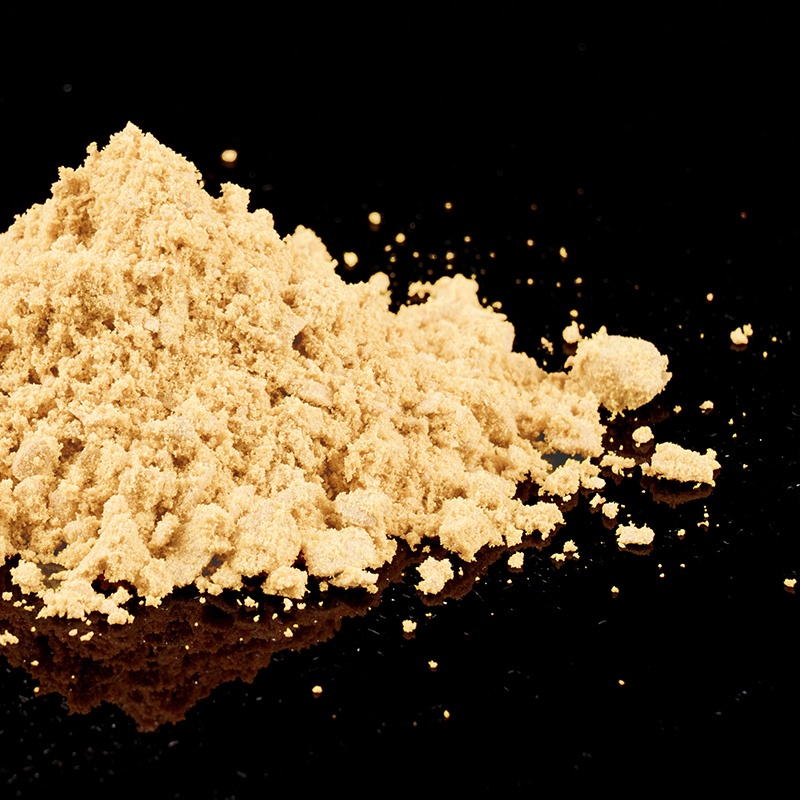
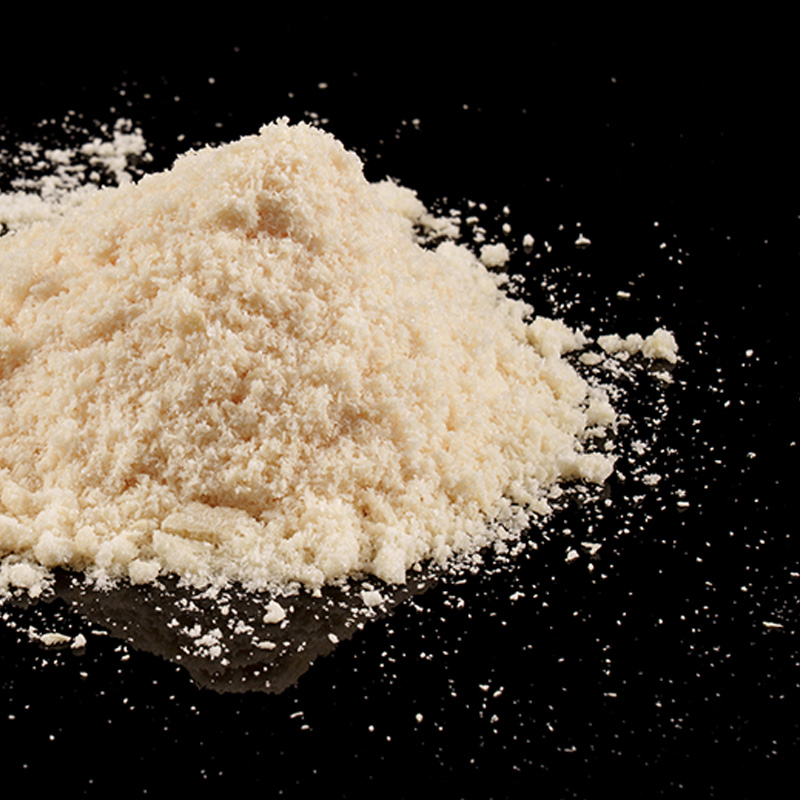
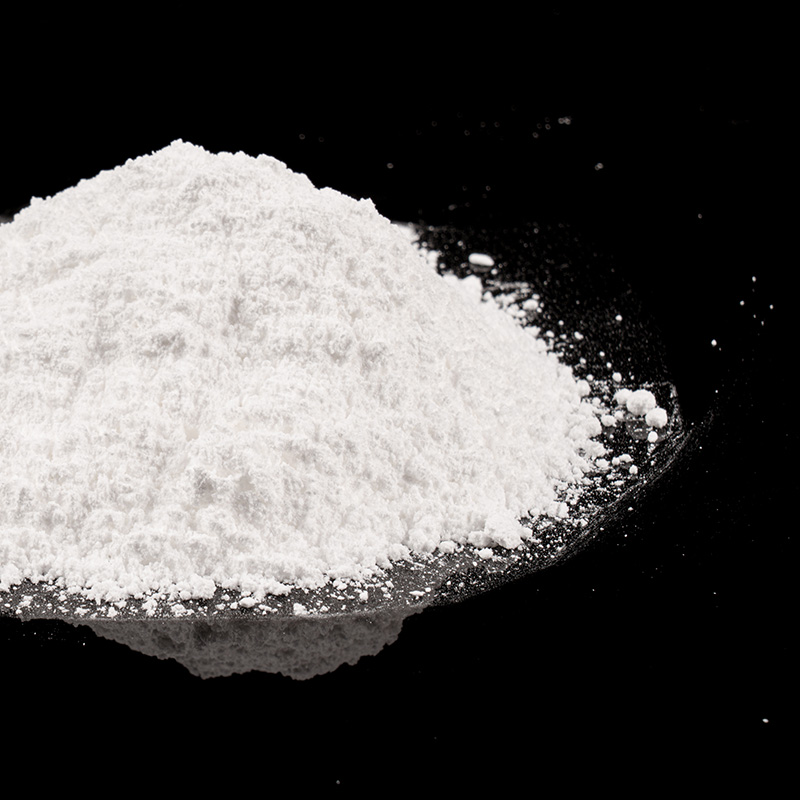
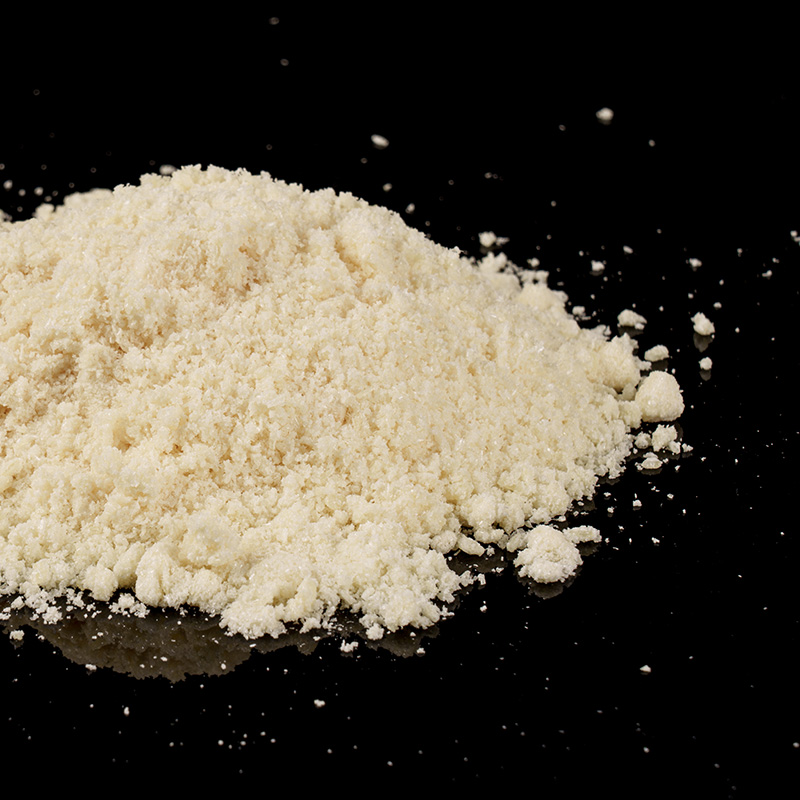
The presence of 5-Hydroxymethylfurfural (HMF) in caramelized and baked foods significantly enhances both flavor and color. It is a key intermediate in the Maillard reaction and sugar degradation, responsible for producing characteristic golden-brown hues and sweet, caramel-like aromas. Its concentration correlates directly with the intensity of browning and the development of complex flavor compounds.
HMF is formed primarily through the dehydration of reducing sugars such as fructose and glucose when exposed to heat. Temperatures above 110°C accelerate this reaction. For example, honey heated to 150°C for 10 minutes can reach HMF levels of 50–60 mg/kg, contributing to its darkening and flavor changes. The type of sugar and pH of the medium influence the rate and quantity of HMF formation.
In baked goods, both sugar type and moisture content determine HMF accumulation. Low-moisture cookies often develop higher HMF concentrations than moist cakes due to greater localized heating and faster sugar dehydration.
HMF contributes to sweet, caramel-like, and slightly roasted notes that enhance the sensory appeal of baked products. It acts as a precursor for other aroma-active compounds such as furan derivatives. Studies show that in biscuits baked at 180°C for 15 minutes, HMF levels around 30 mg/kg coincide with maximal caramel flavor perception, indicating its direct role in flavor development.
In addition to sweetness, HMF interacts with amino acids in the Maillard reaction to form heterocyclic compounds that contribute roasted and nutty notes. This complex flavor formation cannot be replicated by sugar caramelization alone, emphasizing HMF’s critical role.
The golden-brown color of caramelized and baked foods is largely influenced by HMF. Its polymerization and further reactions with amino compounds produce melanoidins, which are brown pigments. For example, honey stored at 60°C for several days can develop a dark amber color as HMF levels rise above 100 mg/kg.
Baked breads and cookies show a positive correlation between surface HMF content and crust darkness. This allows manufacturers to control baking time and temperature to achieve consistent visual appeal while balancing flavor.
Several variables influence HMF formation:
HMF is an important quality indicator in baked goods, honey, and syrups. Its levels can be quantified using High-Performance Liquid Chromatography (HPLC) with UV detection, providing precise measurements for quality assurance. Typical HMF levels in commercially baked cookies range from 20–50 mg/kg, while darker caramelized products can exceed 100 mg/kg.
| Product | HMF (mg/kg) |
|---|---|
| Light Bread | 15–25 |
| Cookies | 20–50 |
| Caramelized Sugar Syrup | 80–120 |
While HMF enhances flavor and color, excessive levels may indicate over-processing and potential health concerns. Optimal baking conditions aim to maximize sensory benefits while keeping HMF below 50–100 mg/kg for most foods. Adjusting sugar types, baking temperature, and time can help achieve this balance effectively.
In practice, manufacturers often monitor HMF as part of a quality control program, using it alongside moisture content, color metrics, and sensory analysis to ensure consistent product appeal.
5-Hydroxymethylfurfural (HMF) plays a crucial role in shaping the flavor, aroma, and color of caramelized and baked foods. Controlled formation of HMF allows producers to enhance sensory properties without compromising safety. Understanding its formation mechanisms and monitoring its levels provides practical guidance for baking processes and product quality optimization.

Copyright© Zhejiang Sugar Energy Technology Co., Ltd. All Rights Reserved.
 Custom Biobased Polymer Manufacturers
 英语
英语 中文简体
中文简体