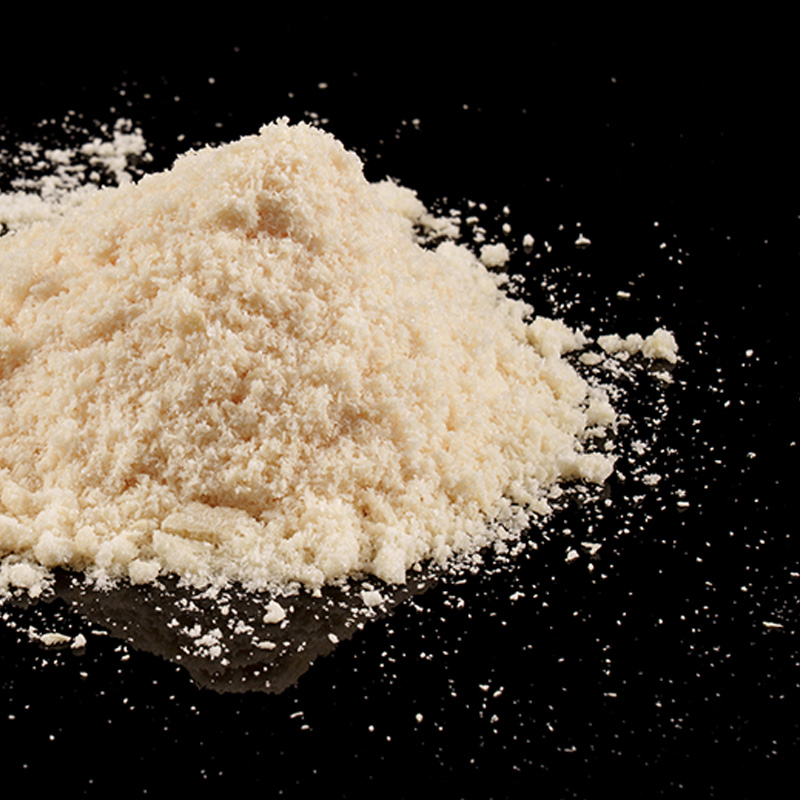
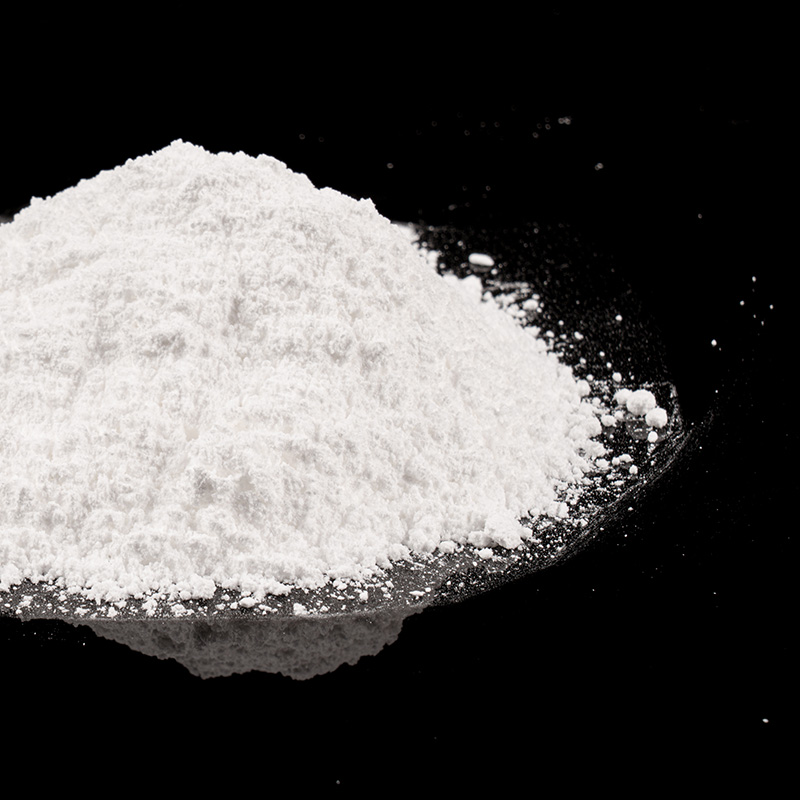
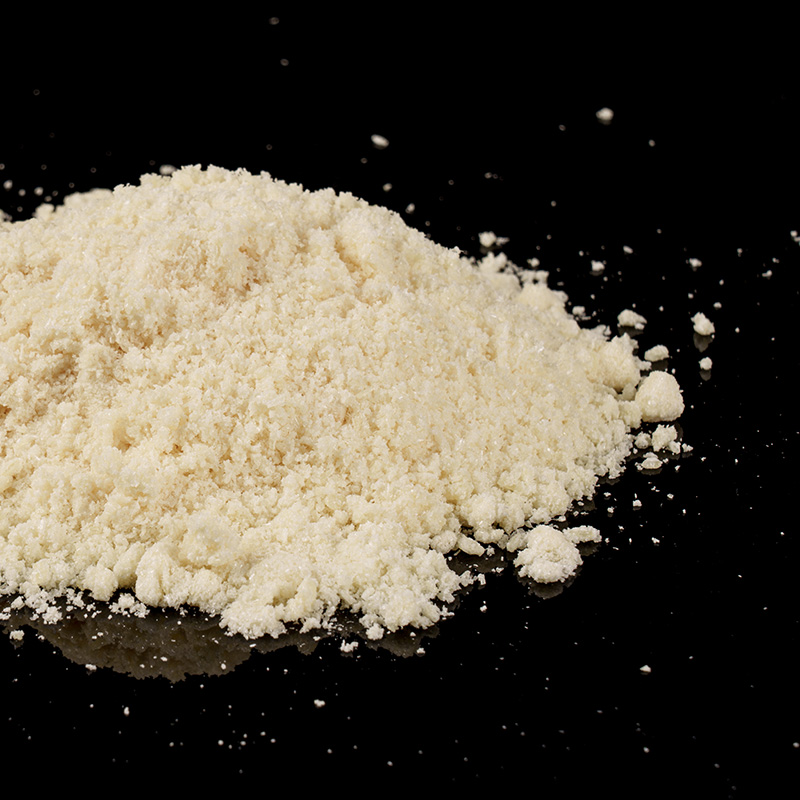
The primary industrial applications of 2,5-Furandicarboxylic acid (FDCA) are in the production of bio-based polymers, particularly polyethylene furanoate (PEF), coatings, resins, and specialty plastics. Its unique chemical structure allows it to serve as a sustainable alternative to petrochemical-derived terephthalic acid, improving polymer performance in terms of mechanical strength, thermal stability, and barrier properties. FDCA is increasingly adopted in industries aiming to replace conventional PET and enhance environmental sustainability.
One of the most significant applications of FDCA is in the synthesis of bio-based polyesters, particularly polyethylene furanoate (PEF). PEF is produced by polycondensation of FDCA with ethylene glycol. Compared with conventional PET, PEF offers approximately 60% higher gas barrier performance for carbon dioxide and 20-30% better for oxygen, making it highly suitable for beverage bottles and food packaging. Additionally, PEF demonstrates improved thermal properties with a melting temperature around 213°C, which contributes to better processing stability.
Major industrial players, such as Avantium, have been actively commercializing PEF bottles and films derived from FDCA, demonstrating the scalability and practical application of this bio-based monomer in packaging and consumer goods.
Beyond polyesters, FDCA serves as a building block for specialty resins and high-performance coatings. Its aromatic furan ring provides rigidity and UV resistance, while the two carboxylic acid groups allow for crosslinking reactions. These properties make FDCA-based resins suitable for automotive coatings, protective films, and adhesives where enhanced durability is required.
For example, resins synthesized with FDCA have shown up to 35% higher scratch resistance compared to conventional phthalate-based coatings, providing both functional and environmental benefits.
FDCA is also increasingly explored for use in engineering plastics such as polyamides and polyesters for technical applications. The incorporation of FDCA enhances polymer stiffness, tensile strength, and thermal stability, which is critical in electronics, automotive parts, and durable consumer products.
Studies have shown that FDCA-based polymers can achieve a tensile strength increase of 15-25% compared to conventional alternatives, while maintaining good processability, making them highly attractive for high-performance and sustainable material solutions.
Compared to petroleum-derived terephthalic acid, FDCA provides environmental and functional advantages. Being sourced from biomass, FDCA reduces dependence on fossil fuels and lowers the carbon footprint of the resulting polymers. Life cycle analysis indicates that PEF derived from FDCA can reduce greenhouse gas emissions by up to 50-70% compared with PET production.
Moreover, FDCA polymers demonstrate superior barrier properties, increased strength, and greater thermal stability, translating to longer shelf life for packaged products and reduced material usage in industrial applications.
The production of 2,5-Furandicarboxylic acid (FDCA) has scaled up considerably in recent years. Commercial methods primarily involve the catalytic oxidation of 5-hydroxymethylfurfural (HMF) derived from carbohydrates. Current industrial processes achieve FDCA yields exceeding 95% with purities suitable for polymer-grade applications.
Market trends indicate growing adoption of FDCA in Europe, North America, and Asia, driven by increasing demand for sustainable packaging and regulations promoting bio-based materials. Analysts project a compound annual growth rate (CAGR) of approximately 12-15% for FDCA and its derivatives over the next decade.
| Property | FDCA-Based Polymers | Terephthalic Acid-Based Polymers (PET) |
|---|---|---|
| CO2 Barrier | 60% Higher | Baseline |
| O2 Barrier | 20-30% Higher | Baseline |
| Tensile Strength | 15-25% Higher | Baseline |
| Source | Bio-based | Petrochemical |
2,5-Furandicarboxylic acid (FDCA) serves as a versatile and sustainable monomer for a wide range of industrial applications. From high-performance bio-based polyesters like PEF to specialty coatings and engineering plastics, FDCA enables improved barrier properties, mechanical strength, and thermal stability. Its adoption not only supports the shift towards bio-based and eco-friendly materials but also provides measurable performance advantages over conventional petrochemical-derived monomers.
With ongoing research and commercial scaling, the role of FDCA in polymer production is expected to expand significantly, making it a key component in the sustainable materials industry.

Copyright© Zhejiang Sugar Energy Technology Co., Ltd. All Rights Reserved.
 Custom Biobased Polymer Manufacturers
 英语
英语 中文简体
中文简体