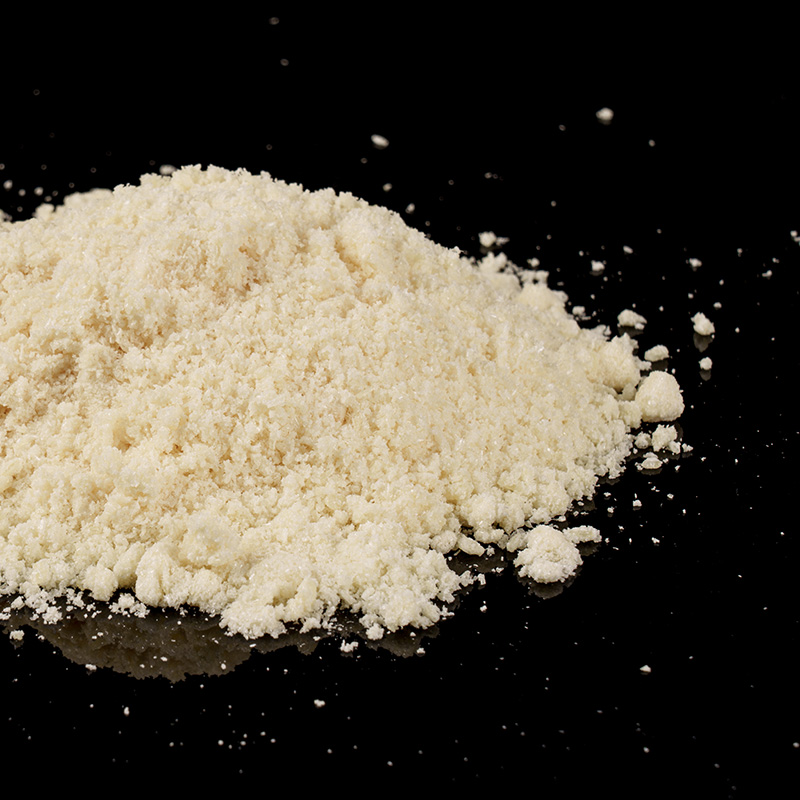
Poly(ethylene 2,5-furandicarboxylate) (PEF) exhibits superior barrier properties compared to conventional PET, with oxygen transmission rates (OTR) up to 10 times lower, carbon dioxide transmission rates (CO2TR) 6–8 times lower, and significantly reduced water vapor transmission rates (WVTR), making it highly suitable for high-barrier packaging applications in beverages and sensitive food products.
The oxygen barrier of PEF is one of its most notable features. While PET typically has an OTR around 50–100 cm³·m⁻²·day⁻¹·bar⁻¹ at 23°C and 50% relative humidity, PEF can achieve OTR values as low as 5–10 cm³·m⁻²·day⁻¹·bar⁻¹ under similar conditions. This dramatic improvement reduces oxygen ingress, slowing oxidative spoilage in food and beverage products.
For example, in carbonated beverages, using PEF bottles can extend shelf life by several months due to the lower oxygen penetration, which is critical for maintaining taste, color, and nutritional quality.
PEF also exhibits exceptionally low CO2 transmission rates compared to PET. Standard PET bottles have CO2TR values around 200–300 cm³·m⁻²·day⁻¹·bar⁻¹, while PEF can reduce this to 30–50 cm³·m⁻²·day⁻¹·bar⁻¹. This property is especially beneficial for carbonated soft drinks and beer, helping maintain carbonation for longer periods.
This enhanced CO2 retention can reduce the need for over-carbonation during production, leading to energy savings and improved product consistency.
Water vapor barrier is critical for sensitive food products. PEF demonstrates a 20–30% lower water vapor transmission rate (WVTR) than PET, with typical WVTR values of 2–3 g·m⁻²·day⁻¹ at 23°C and 50% relative humidity. This reduces moisture ingress, preventing sogginess in dry foods or premature spoilage in hygroscopic ingredients.
Applications such as snack packaging, powdered beverages, and ready-to-eat meals benefit from this improved moisture barrier, maintaining texture, taste, and shelf stability.
| Property | PET | PEF |
|---|---|---|
| Oxygen Transmission Rate (cm³·m⁻²·day⁻¹·bar⁻¹) | 50–100 | 5–10 |
| CO2 Transmission Rate (cm³·m⁻²·day⁻¹·bar⁻¹) | 200–300 | 30–50 |
| Water Vapor Transmission Rate (g·m⁻²·day⁻¹) | 3–4 | 2–3 |
Higher molecular weight and increased crystallinity enhance barrier performance. PEF with 40–50% crystallinity demonstrates optimal OTR and CO2TR reduction while maintaining mechanical strength for bottle and film applications.
PEF's barrier properties are sensitive to temperature and relative humidity. OTR and WVTR increase at elevated temperatures, but even at 40°C and 70% RH, PEF remains superior to PET by a factor of 3–5 for oxygen and moisture barriers.
Blending PEF with minor amounts of additives or copolymers can further improve barrier properties or processability. For example, incorporating 5% furan-based comonomers can reduce WVTR without compromising transparency.
The enhanced barrier properties make PEF highly suitable for:
With growing sustainability demands, PEF is gaining attention as a bio-based alternative to PET. Its superior barrier properties reduce the need for multi-layer packaging, lowering material use and environmental impact. However, cost, scale-up challenges, and recycling infrastructure must be considered for widespread adoption.
Ongoing research focuses on further enhancing barrier properties through optimized polymerization, additives, and processing techniques while ensuring compatibility with existing recycling systems.

Copyright© Zhejiang Sugar Energy Technology Co., Ltd. All Rights Reserved.
 Custom Biobased Polymer Manufacturers
 英语
英语 中文简体
中文简体