英语
英语 中文简体
中文简体Materials Science — Bio-Based Polymers
The core difference between PEF and PLA is that they are not chemically related polyester families at all. They simply share a marketing label — "bio-based" — while their molecular architecture, performance, and end-of-life behavior diverge almost entirely.
The Direct Answer
PEF is a furan-ring-based polyester derived from 2,5-furandicarboxylic acid, while PLA is an aliphatic polyester built from lactic acid derived from fermented sugars. This structural distinction is why the two materials behave so differently in real-world use: PEF offers dramatically better gas barrier performance and higher heat resistance, while PLA is prized for its compostability and lower production cost.
Both are commonly labeled a biobased polymer, but they are not interchangeable, and choosing between them depends entirely on the application — packaging that needs oxygen barrier protection favors PEF, while single-use compostable items often favor PLA.
Monomer Origin: Furan Rings Versus Lactic Acid Chains
PLA is synthesized through the polymerization of lactide, a cyclic dimer of lactic acid, which itself comes from fermenting corn starch, sugarcane, or cassava. The resulting polymer has a simple aliphatic backbone with no aromatic or heterocyclic rings.
PEF, on the other hand, is produced by reacting ethylene glycol with 2,5-furandicarboxylic acid, a molecule derived from plant-based sugars through oxidation processes. This monomer contains a five-membered furan ring, which is structurally similar to the benzene ring found in petroleum-based PET. Because of this ring structure, PEF sits chemically closer to PET than to PLA, even though all three are frequently discussed together as biobased or bio-derived materials.
PEF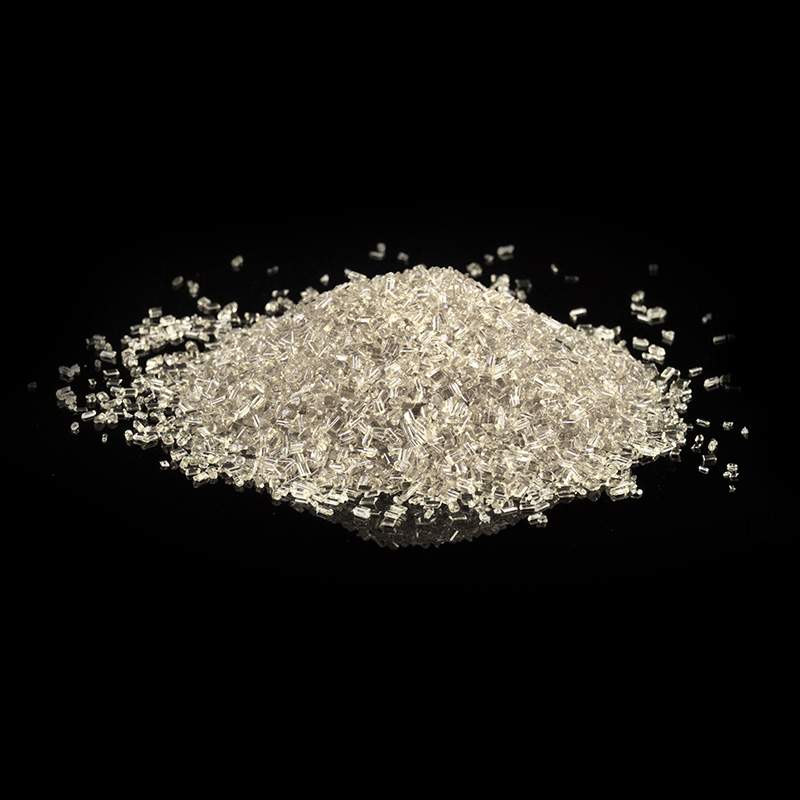
Why the Ring Structure Matters
The furan ring in PEF creates a rigid, polar backbone that restricts molecular chain movement. This rigidity is directly responsible for PEF's superior gas barrier properties and thermal stability compared to PLA's flexible aliphatic chains, which pack less densely and allow more gas permeation.
The furan ring gives PEF a rigidity PLA simply doesn't have — and that single structural difference explains almost everything else that follows.
Barrier Performance: PEF's Standout Advantage
One of the most cited differences between PEF and PLA is oxygen and carbon dioxide barrier performance. Independent studies have measured PEF's oxygen barrier as roughly eleven times better than PET and nineteen times better than PLA. This makes PEF a strong candidate for beverage bottles, especially carbonated drinks and beer, where CO2 retention and oxygen exclusion directly affect shelf life.
PLA, by comparison, has relatively poor barrier properties and is rarely used alone for products that require long shelf stability against oxidation. This is a key reason PLA dominates in short-life applications like disposable cutlery, cups, and compostable food service ware, while PEF is positioned for higher-performance packaging.
| Property | PEF | PLA | PET |
|---|---|---|---|
| Oxygen barrier (relative) | Very high | Low | Moderate |
| Glass transition temp (°C) | ~86 | ~60 | ~76 |
| Melting point (°C) | ~210–235 | ~150–160 | ~250–260 |
| Biodegradability | Not readily biodegradable | Industrially compostable | Not biodegradable |
Thermal Stability and Mechanical Strength
PEF's glass transition temperature sits around 86°C, noticeably higher than PLA's approximately 60°C. This means products made from PEF hold their shape and rigidity at higher temperatures, making PEF more suitable for hot-fill packaging processes or environments where the material may be exposed to warmth, such as vehicle interiors or warm climates.
PLA becomes soft and deforms at temperatures many consumer products naturally encounter, such as being left in a hot car or near direct sunlight. This limits PLA's use in applications requiring dimensional stability under heat, whereas PEF performs closer to conventional PET in this respect.
Mechanically, PEF also demonstrates higher tensile strength and stiffness than PLA, giving it an edge in applications such as fibers, films, and rigid packaging that must resist stretching or cracking during handling and transport.
Info
PEF's higher stiffness and heat resistance make it a closer functional substitute for PET than for PLA — a useful mental model when specifying materials.
End-of-Life Behavior: Compostable Versus Recyclable
A major practical distinction between the two materials lies in how they are disposed of. PLA is designed to break down under industrial composting conditions, typically requiring sustained heat and humidity found in commercial composting facilities rather than home compost bins. This makes PLA attractive for single-use items intended to be composted rather than recycled.
PEF does not readily biodegrade under normal environmental conditions. Instead, it is designed to be mechanically or chemically recycled, similar to PET, fitting into a circular economy model based on reuse and reprocessing rather than decomposition. This means facilities handling PEF need recycling infrastructure rather than composting infrastructure, an important distinction for waste management planning.
Why This Distinction Matters for Buyers
Companies selecting between PEF and PLA should evaluate their existing waste stream. If a business has access to industrial composting, PLA may align well with its sustainability goals. If the goal is compatibility with recycling systems and long product shelf life, PEF is generally the more strategic choice.
Warning
PLA placed in standard recycling streams can contaminate PET recycling batches. Correct sorting infrastructure is essential before scaling either material.
Feedstock Sourcing and Renewable Content
Both PEF and PLA are marketed as sustainable alternatives to petroleum-based plastics, but their feedstock pathways differ. PLA is produced almost entirely from fermented plant sugars, giving it a fully renewable carbon content.
PEF's renewable content depends on its production route. The furandicarboxylate portion of the molecule can be derived from plant-based sugars, but the ethylene glycol component historically came from petroleum sources, meaning some early PEF formulations were only partially bio-based. Newer production methods are working toward fully renewable ethylene glycol, which would allow PEF to achieve 100% biobased content, matching PLA's renewable profile while retaining PEF's superior barrier and thermal advantages.
Success
As renewable ethylene glycol production scales, PEF is on a clear path toward full bio-based parity with PLA — without sacrificing performance.
Typical Applications for Each Material
The property differences above translate directly into distinct real-world uses for each polymer.
- PEF is being developed for beverage bottles, particularly carbonated soft drinks, beer, and juices that require strong oxygen and CO2 barriers.
- PEF is also explored for high-barrier films used in food packaging that needs extended shelf life.
- PLA is widely used in disposable cutlery, cups, and food containers intended for industrial composting.
- PLA is also used in 3D printing filament due to its low melting point and ease of processing.
- Both materials are being tested in textile fiber applications, though PEF's higher strength gives it an advantage in more demanding fabric uses.
Production Cost and Market Maturity
PLA has a significant head start in commercial production, with established supply chains and manufacturing infrastructure built up over more than two decades. This maturity keeps PLA production costs relatively low and predictable.
PEF is comparatively newer to large-scale commercialization. Producing 2,5-furandicarboxylic acid at industrial scale has historically been more expensive than producing lactic acid, though costs have been declining as production processes mature and scale increases. Buyers evaluating PEF should factor in that pricing may still carry a premium compared to PLA, though this gap is expected to narrow as more manufacturing capacity comes online.
Danger
Underestimating PEF's current cost premium during early-stage sourcing decisions can derail budget planning — confirm supplier pricing before committing to volume.
Choosing Between PEF and PLA: A Practical Framework
Deciding which biobased polymer fits a specific application comes down to three questions: How long does the product need to last on a shelf? Will it face heat during storage, transport, or use? And what end-of-life infrastructure is realistically available to the end user?
If the answer favors long shelf life, heat resistance, and recyclability, PEF is the stronger fit. If the priority is low cost, easy processing, and access to industrial composting, PLA remains the practical choice. Neither material is a universal replacement for the other, and understanding these distinctions helps avoid mismatched material selection that can undermine both product performance and sustainability goals.