英语
英语 中文简体
中文简体Materials & Industry
A field guide to where 2,5-furandicarboxylic acid earns its place in packaging, textiles, coatings, and engineering plastics — and what buyers should verify before switching.
What Is Furandicarboxylic Acid Used For in Industrial Applications
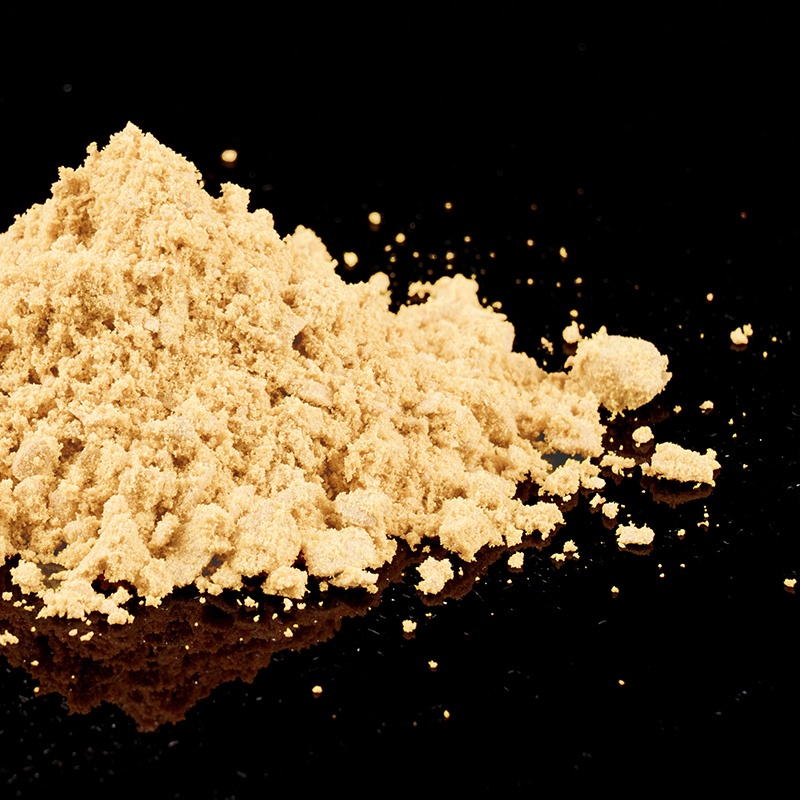
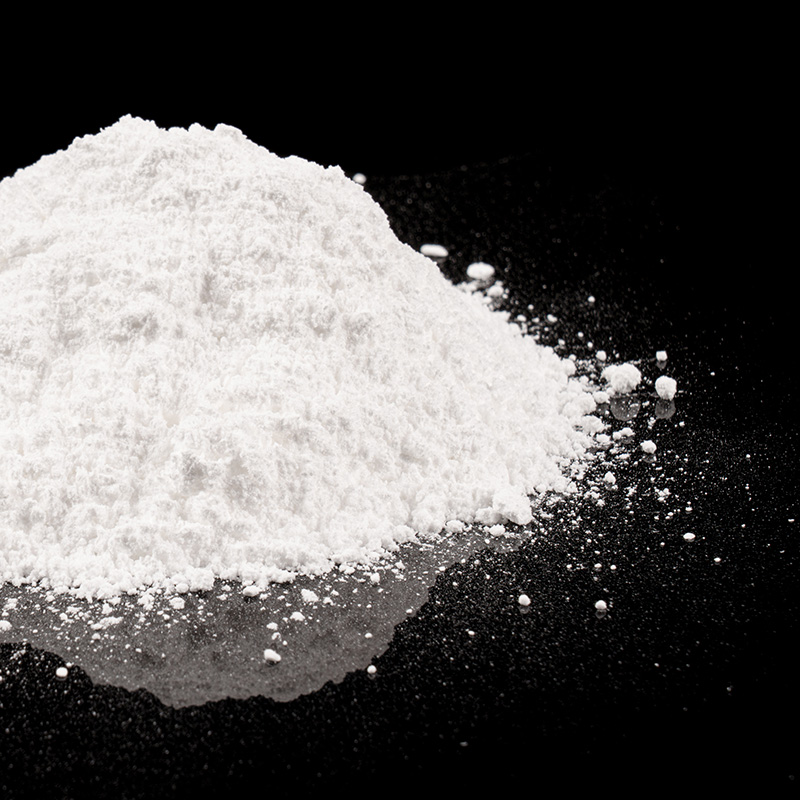
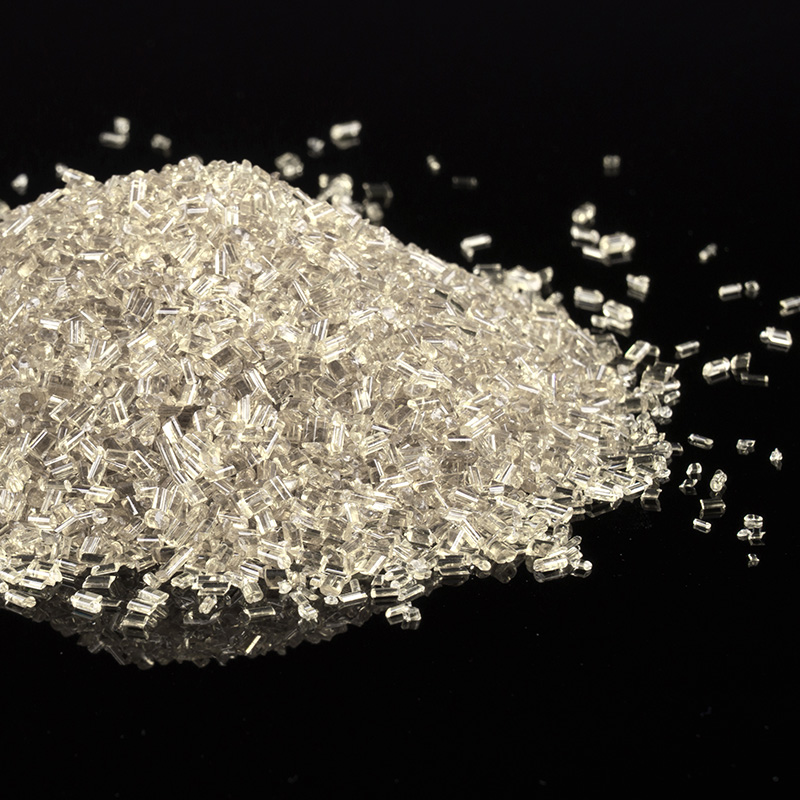
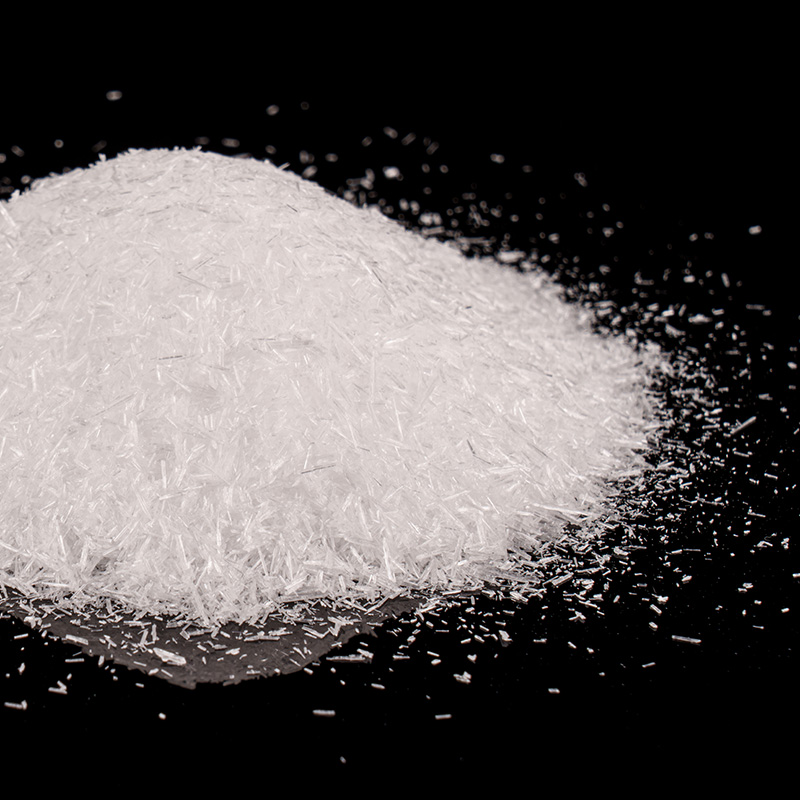
2,5-furandicarboxylic acid (FDCA) is primarily used as a building block for bio-based plastics, packaging resins, textile fibers, coatings, and engineering polymers, serving as a direct replacement for petroleum-derived terephthalic acid in many manufacturing processes. Because it is produced from renewable sugar feedstocks such as fructose and glucose, industrial buyers increasingly specify FDCA-based materials when a project requires lower carbon footprint packaging, improved gas barrier performance, or compliance with extended producer responsibility regulations.
Unlike many bio-based chemicals that only partially substitute for fossil-derived inputs, 2 5 furan dicarboxylic acid can be polymerized with ethylene glycol to form polyethylene furanoate (PEF), a polymer chemically similar to PET but with measurably superior barrier and mechanical properties. This makes it one of the few renewable monomers capable of fully displacing an incumbent petrochemical in demanding industrial applications rather than simply blending with it.
Packaging Applications: Bottles, Films, and Containers
The largest commercial use of 2 5 furandicarboxylic acid fdca today is in rigid and flexible packaging. When polymerized into PEF, the resulting resin is used to manufacture beverage bottles, food films, and multilayer barrier packaging. Industrial buyers evaluating packaging resins typically compare FDCA-based PEF against conventional PET on three performance axes: oxygen barrier, carbon dioxide retention, and thermal stability.
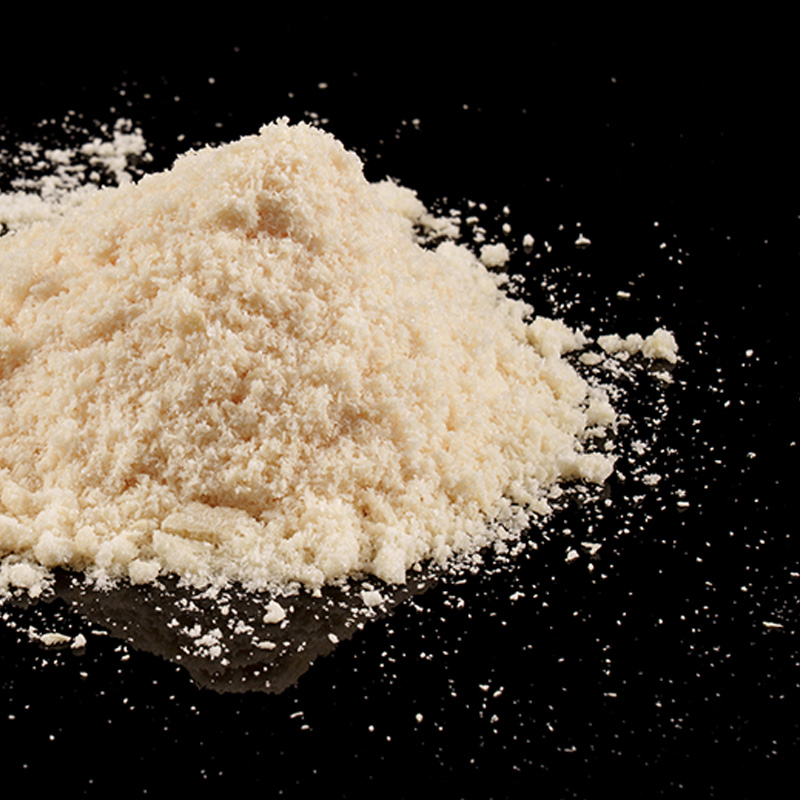
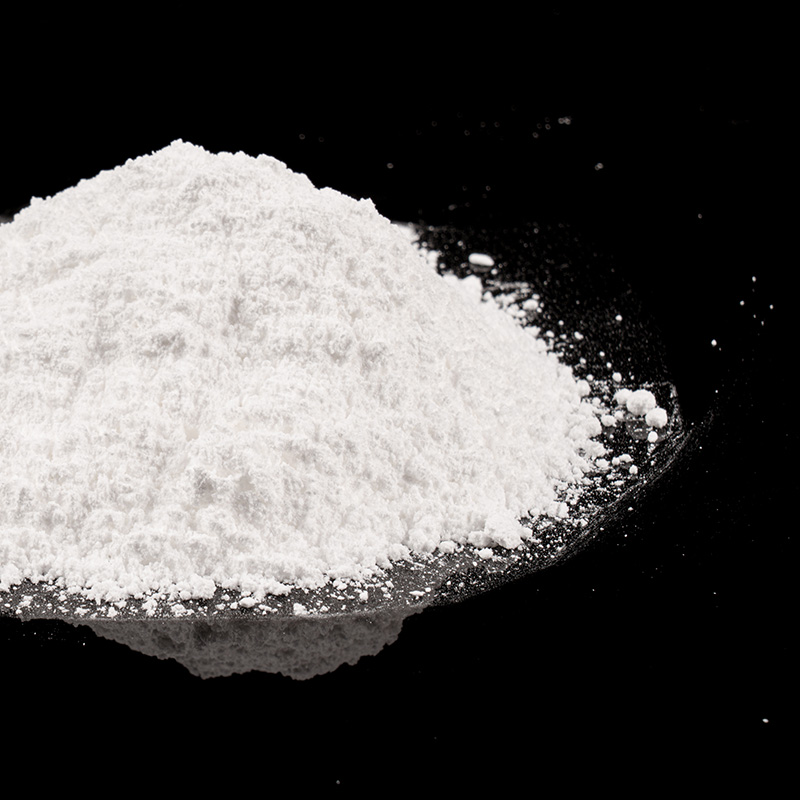
2,5-furandicarboxylic acid (FDCA)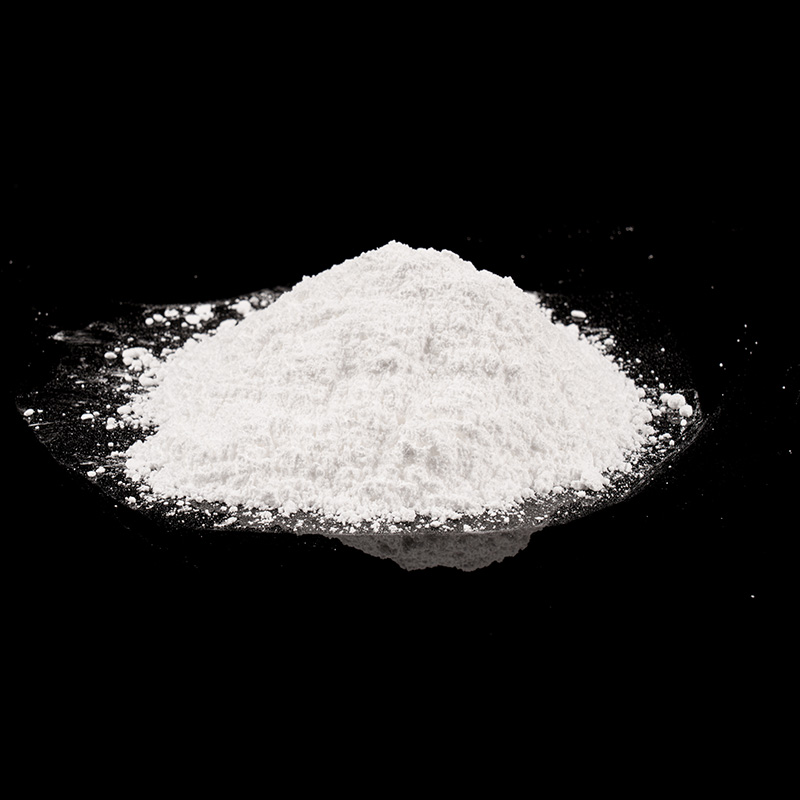
Independent material testing has repeatedly shown that PEF offers up to 10 times better oxygen barrier performance and roughly 4 times better carbon dioxide barrier performance than standard PET. This allows packaging engineers to reduce wall thickness while maintaining shelf life, which lowers material costs per unit even though the raw FDCA monomer carries a price premium over petroleum-based terephthalic acid.
Why Barrier Performance Matters for Procurement Decisions
For beer, carbonated soft drinks, and oxygen-sensitive food products, barrier failure directly translates into shortened shelf life and higher return rates. Procurement teams sourcing packaging materials often request accelerated aging data before switching suppliers, and FDCA-derived PEF consistently outperforms PET in these tests, particularly at elevated humidity and temperature conditions common in tropical export markets.
| Property | PEF (FDCA-based) | PET |
|---|---|---|
| Oxygen barrier | Up to 10x better | Baseline |
| CO2 barrier | Up to 4x better | Baseline |
| Glass transition temp | Higher | Lower |
| Feedstock origin | Renewable sugars | Petroleum-derived |
Textile and Fiber Manufacturing
Textile producers evaluating alternatives to conventional polyester fiber have begun trialing FDCA-based polymers for apparel, technical textiles, and industrial fabrics. Fibers spun from PEF exhibit higher tensile strength and improved UV resistance compared to standard polyester, which is particularly valuable for outdoor gear, automotive interior textiles, and geotextiles exposed to prolonged sunlight.
Because furandicarboxylic acid polymerizes at slightly different temperature and viscosity profiles than terephthalic acid, mills adopting it for fiber extrusion typically need to recalibrate spinning line parameters. Buyers should request pilot-batch samples before committing to large production runs, as fiber denier consistency can vary during the initial process qualification phase.
Process qualification, not chemistry alone, determines whether a fiber line succeeds with a new monomer.
Blended Versus Pure FDCA Fiber Applications
Some textile manufacturers blend FDCA-based polymer with conventional polyester at ratios between 20% and 50% to balance cost with performance gains. Fully FDCA-based fiber lines remain less common due to current monomer supply constraints, but blended formulations already deliver measurable improvements in moisture-wicking and dye uptake, both of which are commercially relevant for performance apparel brands.
Coatings, Adhesives, and Resin Systems
In the coatings sector, furan-based polyester resins derived from FDCA are used to formulate powder coatings, can linings, and industrial protective coatings. The rigid furan ring structure in the FDCA backbone contributes to improved chemical resistance and hardness compared to standard aromatic polyester coatings, which is why formulators specify it for metal packaging linings that must withstand acidic or high-sugar-content contents.
Adhesive manufacturers also use FDCA-derived polyols in hot-melt and reactive adhesive systems. These formulations benefit from the monomer's thermal stability, allowing bond lines to maintain integrity in applications exposed to repeated heat cycling, such as laminated packaging structures used in food service.
Engineering Plastics and Automotive Components
Automotive suppliers exploring lightweighting strategies have begun testing FDCA-based engineering plastics for interior trim, connector housings, and under-hood components where dimensional stability under heat is critical. Compared to standard PBT or PET-based engineering resins, FDCA-derived polymers show improved stiffness-to-weight ratios, which supports fuel efficiency and emissions targets without sacrificing structural performance.
Qualification Notice
Because automotive qualification cycles are long and rigorous, most current use of 2,5-furandicarboxylic acid in this sector remains at the prototyping and pilot-part stage rather than full-scale production. Buyers sourcing components for automotive programs should confirm supplier certification status and long-term supply agreements before specifying FDCA-based resins on production tooling.
Polyurethane Foams and Specialty Polymers
FDCA can also be converted into furan-based polyols, which are incorporated into rigid and flexible polyurethane foam formulations. These foams are used in insulation panels, cushioning materials, and specialty packaging inserts where manufacturers want to reduce the fossil-carbon content of the finished product without compromising compressive strength or thermal insulation values.
- Rigid insulation foam for cold chain packaging
- Flexible cushioning foam for protective packaging inserts
- Structural foam cores for lightweight panel systems
Production Methods and Supply Considerations
Industrial buyers should understand that 2 5 furan dicarboxylic acid is produced through catalytic oxidation of 5-hydroxymethylfurfural (HMF), which is itself derived from fructose or glucose feedstocks. Production yield and purity directly affect downstream polymerization quality, so buyers sourcing FDCA for polymer-grade applications should request certificates of analysis confirming purity levels above 99%, since lower-purity batches can introduce color defects and reduced molecular weight in the finished polymer.
Supply Note
Global production capacity for polymer-grade FDCA has expanded steadily as more manufacturers commercialize fermentation and catalytic conversion routes. However, supply remains more limited than for petroleum-based terephthalic acid, and buyers evaluating large-volume contracts should confirm production capacity commitments and lead times well in advance of project timelines.
Key Sourcing Questions to Ask Suppliers
- What is the minimum purity guaranteed per batch?
- What feedstock source is used for production?
- Can the supplier provide third-party barrier or tensile test data?
- What is the current annual production capacity and lead time?
Choosing the Right Application for FDCA-Based Materials
For buyers deciding where to introduce furandicarboxylic acid-based materials into their product lines, packaging remains the lowest-risk entry point given its established supply chain and proven barrier performance data. Textile and coatings applications offer strong performance differentiation but require more process validation. Automotive and structural engineering applications represent the longest-term opportunity but currently demand the most extensive qualification work before large-scale adoption.
Summary
Ultimately, the decision to specify FDCA-based materials should be driven by a combination of performance requirements, sustainability targets, and supply chain reliability. As production capacity continues to scale and pricing gradually converges with conventional petrochemical monomers, industrial adoption across packaging, textiles, coatings, and engineering plastics is expected to broaden further.