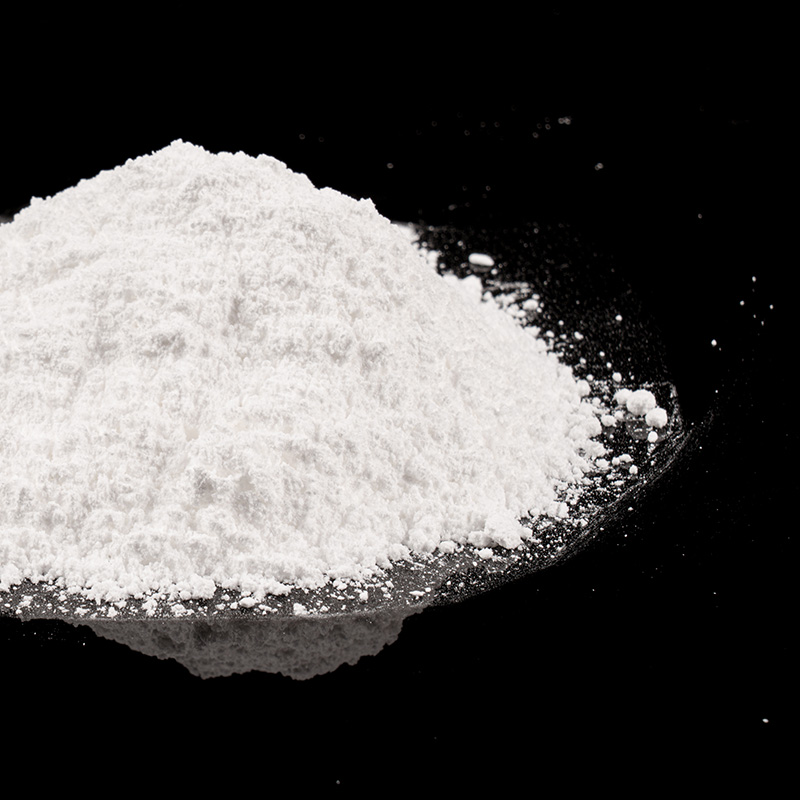
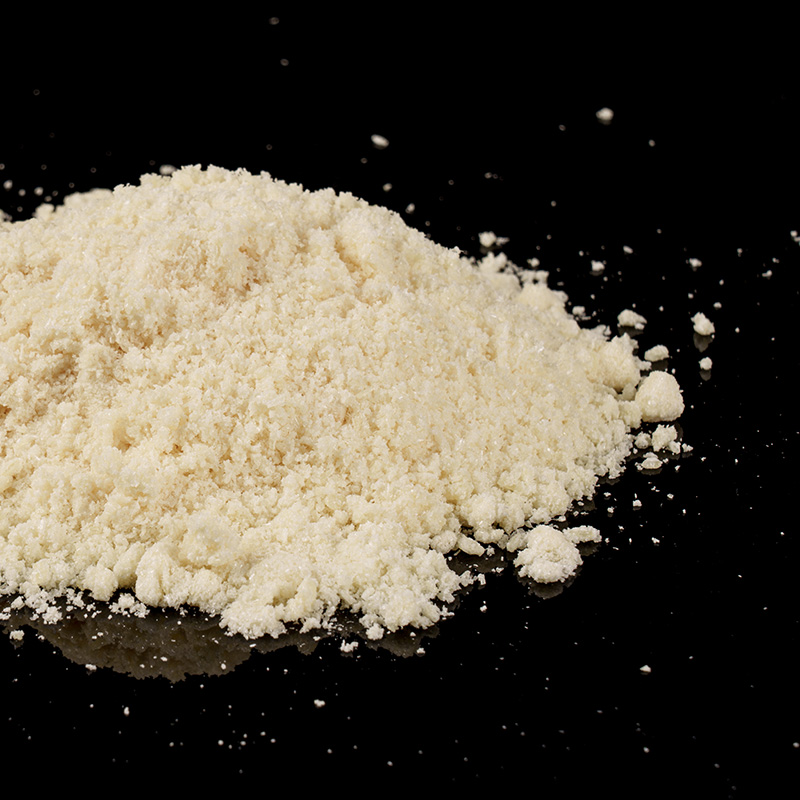
英语
英语 中文简体
中文简体Polymer Chemistry — Classification & Structure
Polyethylene furanoate is unambiguously classified as a polyester, both by chemical definition and by industry standards. The furan ring changes its properties — but not its fundamental identity.
The Direct Answer: Yes, PEF Is Chemically Classified as a Polyester
Polyethylene furanoate is unambiguously classified as a polyester, both by chemical definition and by industry standards. It qualifies as a polyester because it is formed through a condensation polymerization reaction that produces repeating ester linkages (-COO-) along its main polymer chain. This is the same fundamental bonding mechanism that defines PET, PBT, and every other member of the polyester family.
What distinguishes PEF within this family is the specific diacid component used in its synthesis: instead of the petroleum-derived terephthalic acid found in PET, PEF is built from 2,5-furandicarboxylic acid, a molecule that can be produced from renewable plant sugars. This substitution changes PEF's aromatic-like ring structure and its resulting properties, but it does not change its fundamental identity as a polyester. Understanding this classification matters for anyone working in packaging, materials sourcing, or sustainable product development, because it clarifies how PEF fits into existing regulatory, recycling, and manufacturing frameworks built around the broader polyester category.
What Defines a Polyester Chemically
Before evaluating PEF specifically, it helps to understand what qualifies any polymer as a polyester. A polyester is defined by the presence of repeating ester functional groups formed through the reaction between a diol (a molecule with two hydroxyl groups) and a dicarboxylic acid (a molecule with two carboxyl groups). This reaction, called esterification or transesterification, releases water or methanol as a byproduct and links the monomer units together into long chains.
PEF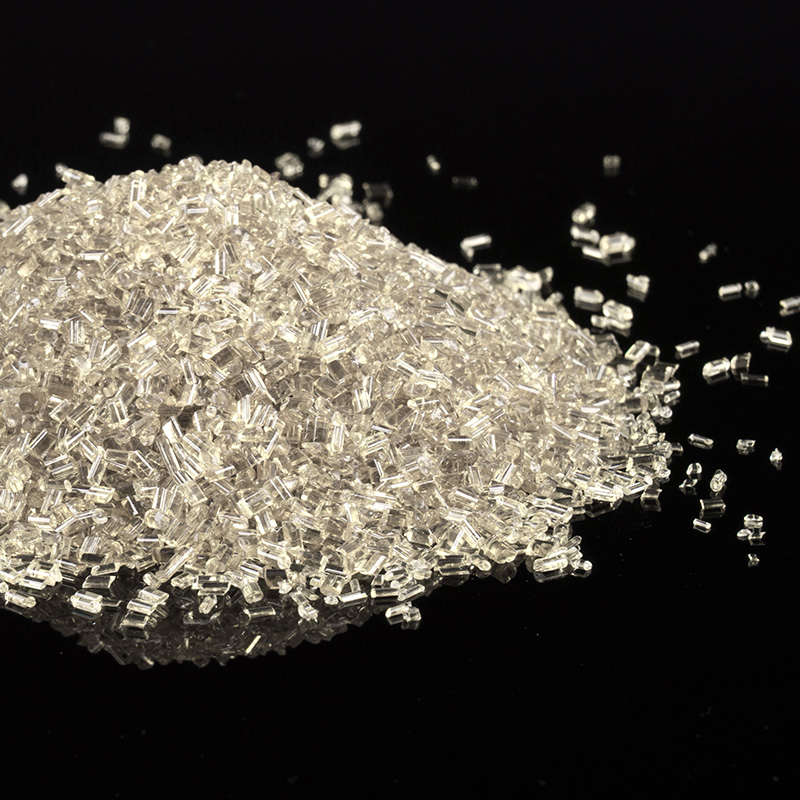
This definition is purely structural — it does not require the diol or diacid to come from any particular source, nor does it require the polymer to have any specific set of physical properties. As long as the backbone contains recurring ester linkages, the material is classified as a polyester. This is why PEF, despite being made from different raw materials than conventional PET, still falls cleanly within the polyester category.
The Two Building Blocks of PEF
PEF is synthesized from two primary monomers: ethylene glycol, the same diol used in PET production, and 2,5-furandicarboxylic acid, which serves as the diacid component. When these two molecules react under polycondensation conditions, they form repeating ester bonds identical in type to those found in PET, confirming PEF's status as a genuine polyester rather than a different polymer class altogether.
The ester bond is the signature of the polyester family — and PEF carries that signature just as faithfully as PET does.
Comparing PEF's Molecular Structure to PET
The clearest way to confirm PEF's polyester classification is to compare its molecular architecture directly against PET, a polymer universally recognized as a polyester. Both molecules share the same ethylene glycol backbone segment, and both contain ester linkages connecting repeating units. The primary structural difference lies in the acid-derived ring system: PET incorporates a six-membered benzene ring from terephthalic acid, while PEF incorporates a five-membered furan ring from furandicarboxylic acid.
This ring substitution changes bond angles and electron distribution within the molecule, which is why PEF and PET differ in properties like barrier performance and glass transition temperature. However, this substitution occurs at the level of the diacid component, not at the ester linkage itself. Since the defining feature of a polyester is the ester bond connecting the repeat units, and that bond remains fully intact and chemically identical in both PEF and PET, PEF's polyester classification is not affected by the ring substitution.
| Feature | PEF | PET |
|---|---|---|
| Diol component | Ethylene glycol | Ethylene glycol |
| Diacid component | 2,5-Furandicarboxylic acid | Terephthalic acid |
| Ring type | Five-membered furan ring | Six-membered benzene ring |
| Linkage type | Ester bond | Ester bond |
| Polymer class | Polyester | Polyester |
How PEF Is Synthesized
PEF production follows a polycondensation process very similar to industrial PET manufacturing, which further reinforces its position within the polyester family. The process generally proceeds in two stages: esterification and polycondensation.
- Ethylene glycol reacts with 2,5-furandicarboxylic acid (or its dimethyl ester form) under heat and catalyst conditions to form an oligomeric ester intermediate, releasing water or methanol as a byproduct.
- The intermediate undergoes polycondensation under vacuum and elevated temperature, driving off excess glycol and building the oligomers into long polymer chains with a high molecular weight.
- The resulting polymer is cooled, pelletized, and can be further processed through solid-state polymerization to increase molecular weight for applications like bottle-grade resin.
Because this synthesis route mirrors PET production almost step for step, many manufacturers view PEF as a drop-in-compatible polyester that can, in principle, be produced using modified versions of existing PET production equipment, which has significant implications for scaling this biobased polymer commercially.
Info
Because PEF's synthesis mirrors PET so closely, existing polyester production lines can often be modified rather than replaced entirely.
Industry and Regulatory Recognition of PEF as a Polyester
Beyond laboratory chemistry, PEF's classification as a polyester is reflected in how the material is discussed and categorized across the packaging and materials science industries. Research literature consistently refers to polyethylene furanoate as a polyester, often directly alongside PET in comparative studies examining barrier properties, mechanical strength, and thermal behavior. Trade organizations and packaging associations that track polyester resins have likewise included PEF in polyester-focused reports and roadmaps, treating it as an emerging member of the category rather than a separate material class.
This consistent recognition matters practically because polyester classification affects how a material is regulated for food contact use, how it is labeled on packaging, and how recycling facilities are expected to sort and process it. Since PEF is recognized as a polyester rather than an entirely novel plastic type, its regulatory pathway can draw on existing polyester safety and food-contact frameworks, which can shorten approval timelines compared to introducing a completely new polymer category.
Why the Furan Ring Does Not Disqualify PEF's Classification
Some confusion around PEF's classification stems from the presence of the furan ring, which is a heterocyclic structure not found in traditional aromatic polyesters like PET. It's reasonable to ask whether this ring changes PEF's fundamental polymer type, but the answer remains no. The furan ring functions structurally in the same position that the benzene ring occupies in PET — as part of the diacid monomer — and does not alter the ester linkage that defines the polyester backbone.
Polymer science distinguishes polymer classes based on the type of linkage connecting repeat units (ester, amide, urethane, etc.), not based on the specific side groups or ring systems attached to those units. Nylon remains a polyamide regardless of which diamine or diacid variant is used, and polyurethanes remain polyurethanes regardless of variations in their isocyanate components. By the same logic, PEF remains a polyester regardless of whether its diacid monomer contains a furan ring or a benzene ring.
Practical Implications of PEF's Polyester Classification
Confirming that PEF is a polyester has several practical consequences for manufacturers, brands, and recyclers evaluating the material.
- Existing polyester manufacturing infrastructure can often be adapted for PEF production, reducing capital investment barriers compared to building facilities for an entirely new polymer type.
- Food safety and packaging regulations developed for polyester resins provide a reference framework that regulators can extend to evaluate PEF, rather than starting from scratch.
- Recycling classification systems that sort plastics by resin type can potentially incorporate PEF alongside other polyesters, provided sorting technology can distinguish it from PET at scale.
- Brands marketing PEF-based packaging can accurately describe it as a polyester material with enhanced sustainability credentials, rather than needing to invent new terminology for consumer communication.
Warning
Sorting technology must reliably distinguish PEF from PET before large-scale co-mingled recycling can be considered safe and effective.
Distinguishing Polyester Classification from Biodegradability Claims
It's worth clarifying a common point of confusion: being classified as a polyester says nothing about whether a material biodegrades. PEF is a polyester, and like most polyesters, it is not designed to biodegrade readily in natural environments. This distinguishes it from materials like PLA, which despite also technically being a polyester by strict chemical definition, is generally discussed separately due to its aliphatic backbone and industrial compostability.
PEF's polyester classification instead points toward a recycling-based end-of-life model rather than a composting-based one. This is consistent with how PET, the most widely produced polyester in the world, is managed today. Understanding that classification and biodegradability are separate questions helps prevent misleading assumptions about how a polyethylene furanoate product should be disposed of simply because it is described as bio-based.
Success
Because PEF fits the existing polyester recycling model, it can integrate into circular systems already built around PET.
Danger
Assuming a bio-based material is automatically compostable can lead to improper disposal and contamination of recycling streams.
Summary: PEF Fits Cleanly Within the Polyester Family
Every criterion used to classify a polymer as a polyester applies directly to PEF. It is formed through condensation polymerization between a diol and a diacid, it contains repeating ester linkages along its backbone, and it is recognized as such throughout scientific literature and industry documentation. The furan ring introduced by its renewable diacid component changes its physical properties, including barrier strength and thermal behavior, but does not change its fundamental chemical category.
For anyone evaluating PEF as a packaging material, sourcing decision, or sustainability initiative, the takeaway is straightforward: PEF should be treated and regulated as a polyester, with the understanding that it offers a renewable-content alternative to conventional PET while still fitting into recycling and manufacturing systems built around this well-established polymer class.