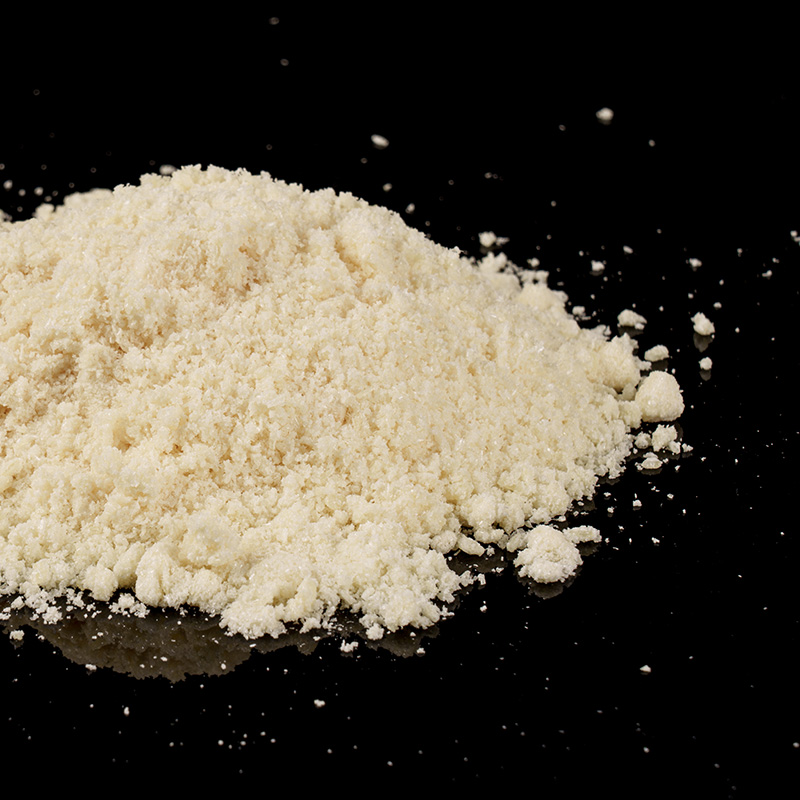
Polymers derived from 2,5-Furandicarboxylic acid (FDCA), particularly polyethylene furanoate (PEF), demonstrate superior barrier properties, comparable or higher mechanical strength, and improved thermal stability compared to conventional plastics such as polyethylene terephthalate (PET). Specifically, FDCA-based polymers offer up to 10x better oxygen barrier performance, 2–3x higher carbon dioxide barrier, and higher glass transition temperatures (Tg), making them highly suitable for advanced packaging and high-performance applications.
While their tensile strength and stiffness are generally comparable to PET, FDCA-based materials often outperform in thermal resistance and sustainability metrics. However, challenges remain in large-scale processing and cost competitiveness.
The mechanical properties of polymers derived from 2,5-Furandicarboxylic acid (FDCA) are one of their most compelling advantages. These materials exhibit strength and rigidity that are competitive with or superior to traditional petroleum-based plastics.
FDCA-based polymers such as PEF typically show tensile strength values ranging from 70 to 90 MPa, which is comparable to PET (approximately 55–75 MPa). Additionally, the modulus of elasticity tends to be slightly higher, indicating greater stiffness and resistance to deformation under load.
FDCA-derived polymers exhibit good impact resistance, although slightly lower than some flexible plastics like polyethylene (PE). However, their balanced combination of rigidity and toughness makes them ideal for rigid packaging applications such as bottles and containers.
Thermal performance is a key area where polymers derived from 2,5-Furandicarboxylic acid (FDCA) often outperform conventional plastics.
PEF exhibits a glass transition temperature of approximately 85°C, compared to PET’s Tg of around 70–80°C. This higher Tg translates into better heat resistance and dimensional stability under elevated temperatures.
The melting temperature of FDCA-based polymers is slightly lower than PET, typically around 210–220°C, compared to PET’s ~250–260°C. This can be advantageous in reducing processing energy requirements.
| Property | PEF (FDCA-based) | PET |
|---|---|---|
| Tensile Strength (MPa) | 70–90 | 55–75 |
| Glass Transition (°C) | ~85 | 70–80 |
| Melting Point (°C) | 210–220 | 250–260 |
| Oxygen Barrier | 6–10x better | Baseline |
Beyond mechanical and thermal characteristics, polymers derived from 2,5-Furandicarboxylic acid (FDCA) excel in barrier performance. This is particularly important for food and beverage packaging.
PEF demonstrates up to 10 times better oxygen barrier and 2–3 times better CO₂ barrier properties compared to PET. This significantly extends shelf life and preserves product quality.
While polymers derived from 2,5-Furandicarboxylic acid (FDCA) offer superior properties, their processing characteristics differ slightly from conventional plastics.
The lower melting temperature can reduce energy consumption during processing, but crystallization rates and processing windows may require optimization. Existing PET infrastructure can often be adapted, though some modifications may be necessary.
Despite their advantages, polymers derived from 2,5-Furandicarboxylic acid (FDCA) are not without challenges. The most significant limitation is cost, as FDCA production is still scaling up industrially.
Additionally, processing knowledge is less mature compared to established plastics like PET, and supply chains are still developing.
Polymers derived from 2,5-Furandicarboxylic acid (FDCA) provide a compelling combination of high mechanical strength, improved thermal stability, and exceptional barrier properties compared to conventional plastics like PET. These advantages make them particularly attractive for high-performance packaging and sustainable material solutions.
However, widespread adoption depends on overcoming cost and scalability challenges. As production technologies mature, FDCA-based polymers are expected to play a significant role in the future of sustainable plastics.

Copyright© Zhejiang Sugar Energy Technology Co., Ltd. All Rights Reserved.
 Custom Biobased Polymer Manufacturers
 英语
英语 中文简体
中文简体