Materials & Chemistry — Editorial Report
Hydroxymethylfurfural occupies a rare position among bio-based platform chemicals: a single molecule with dual reactivity, capable of seeding polymers, fuels, resins and specialty compounds from nothing more than simple sugars. This is the story of how one furan derivative is quietly reshaping the economics of renewable chemistry.
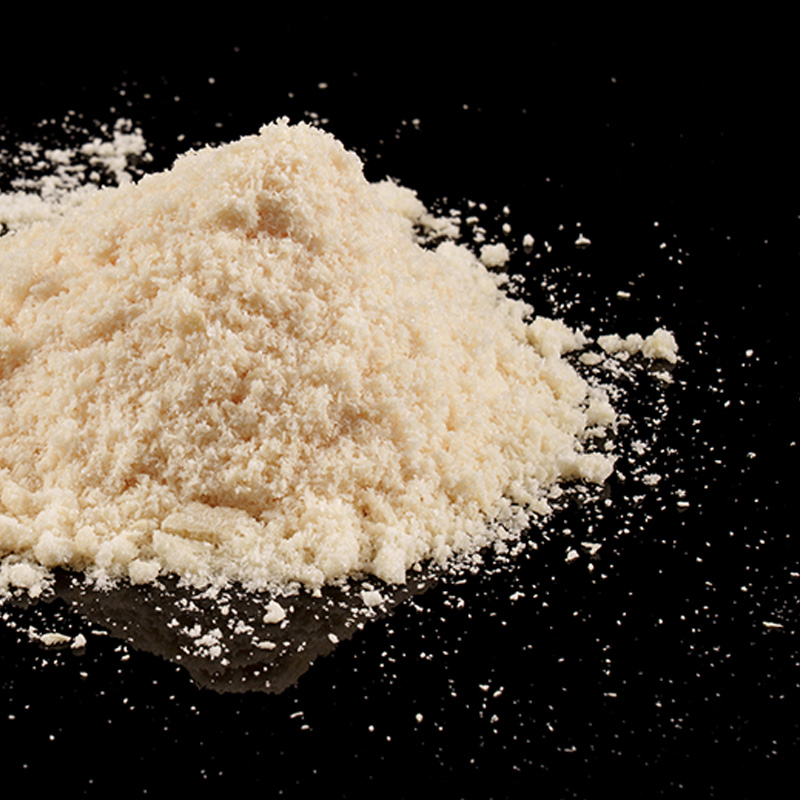
Hydroxymethyl furfural, commonly abbreviated as HMF, is primarily used as an intermediate for producing renewable polymers, biofuels, resins, and specialty chemicals derived from sugar-based biomass. Compared with other bio-based platform chemicals such as furfural, levulinic acid, and succinic acid, 5 hydroxymethylfurfural stands out for its dual functional groups, an aldehyde and a hydroxyl group, which make it exceptionally reactive and adaptable across multiple downstream synthesis pathways. This structural flexibility is why it is frequently ranked among the top renewable platform molecules identified by biomass conversion researchers.
Unlike single-purpose bio-derived chemicals, HMF serves as a gateway to several high-value derivatives, including 2,5-furandicarboxylic acid (FDCA), 2,5-dimethylfuran (DMF), and various furan-based resins. This makes it a central node in biorefinery value chains rather than an end-use chemical itself.
A molecule that starts as sugar and ends as plastic, fuel, or resin — that versatility is what separates a platform chemical from a commodity.
One of the most commercially significant uses of hydroxymethyl furfural is as a precursor to FDCA, which can replace petroleum-derived terephthalic acid in polyester production. The resulting polymer, polyethylene furanoate (PEF), offers improved gas barrier properties and a smaller carbon footprint compared to conventional PET packaging materials.
HMF can be catalytically converted into DMF, a compound with an energy density comparable to gasoline. Studies have shown DMF has a boiling point of around 92°C and an energy density of approximately 31.5 MJ/L, making it a promising candidate for blended or standalone biofuel applications, particularly in regions seeking alternatives to ethanol-based fuels.
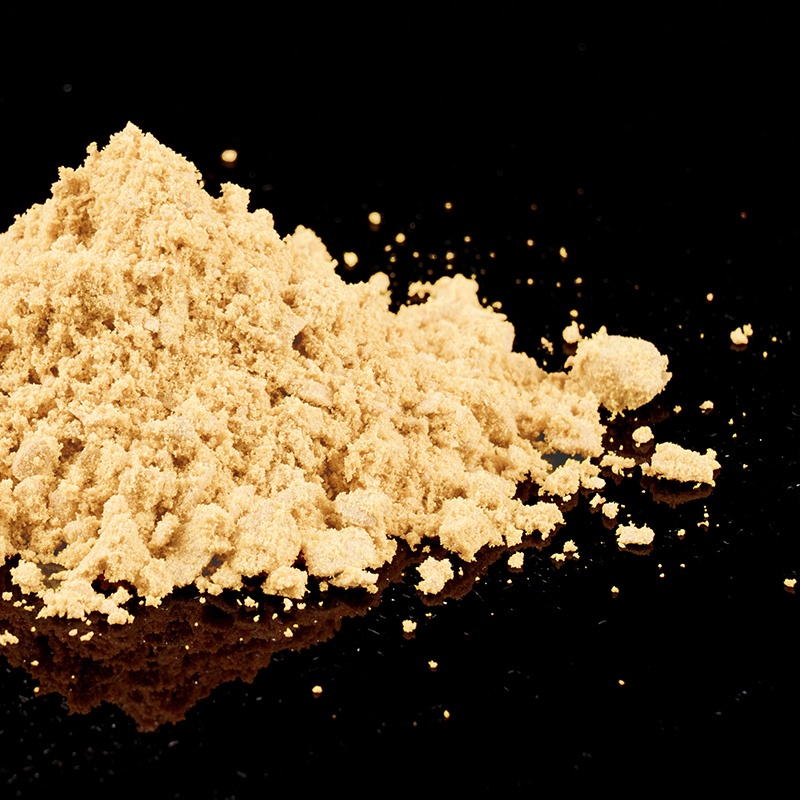
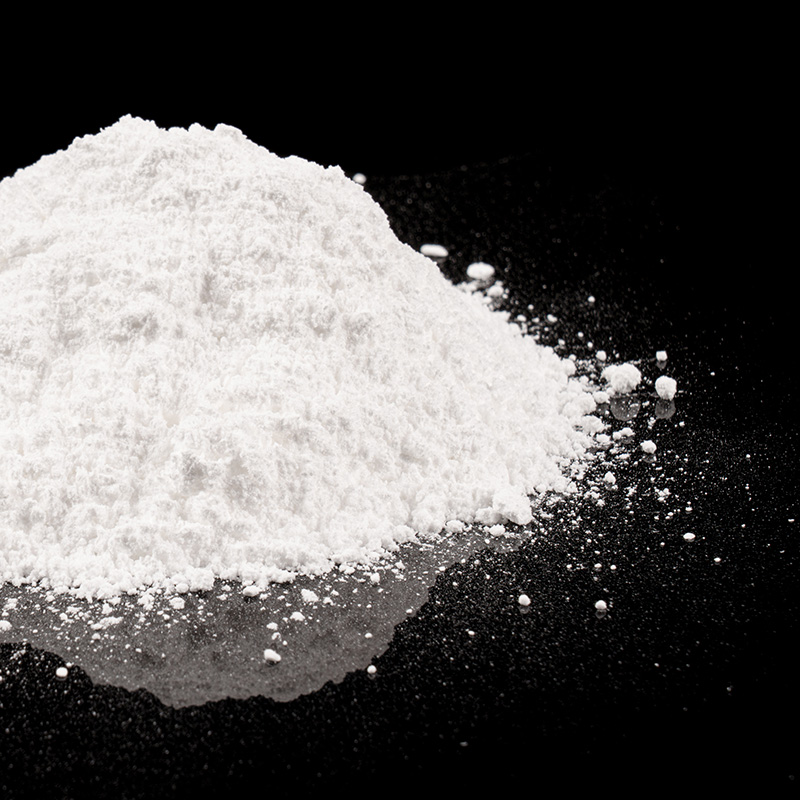
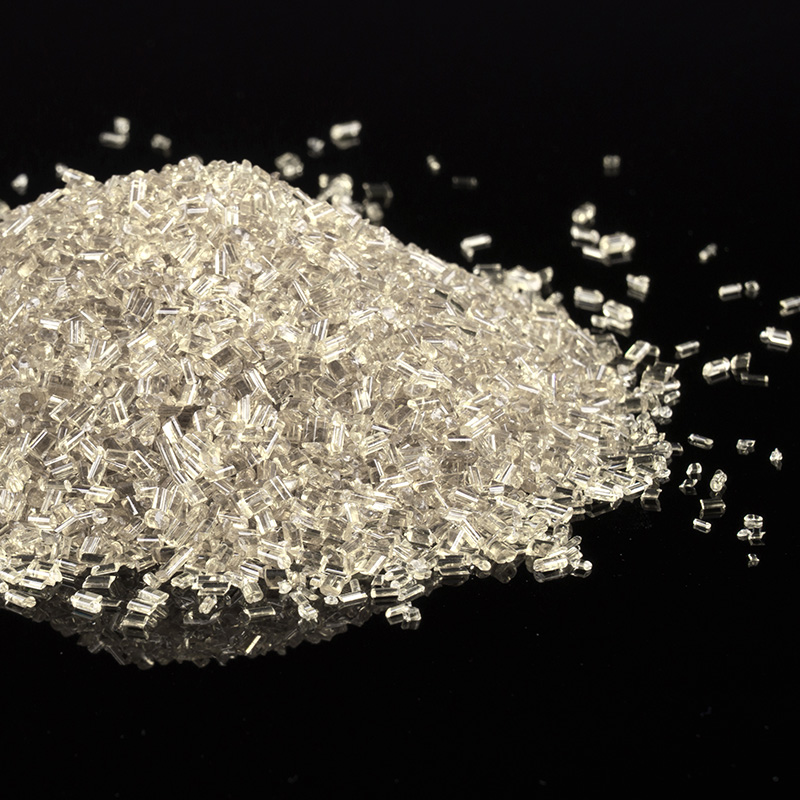
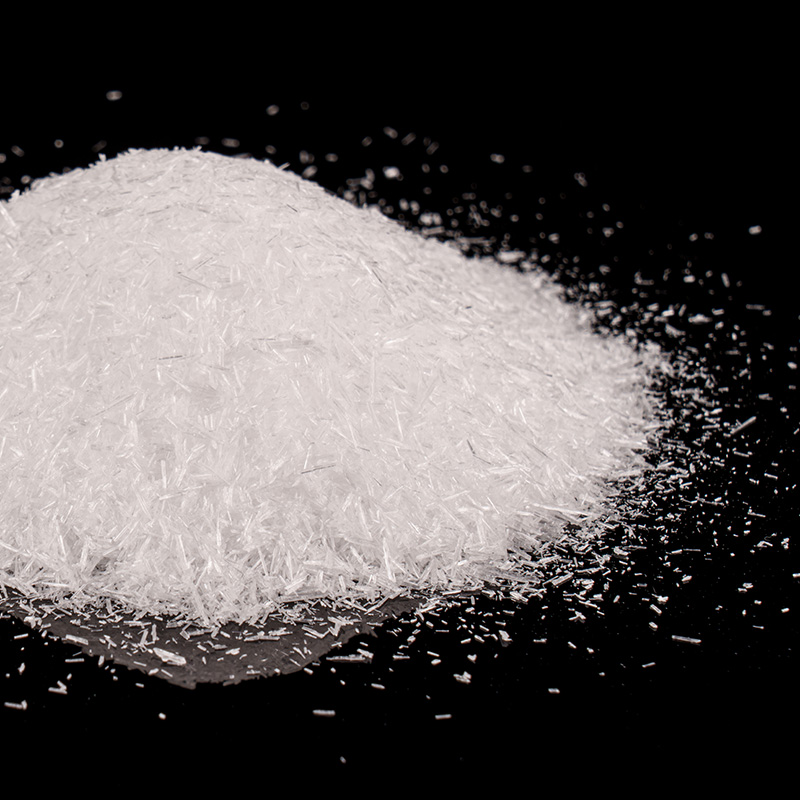
5 hydroxymethylfurfural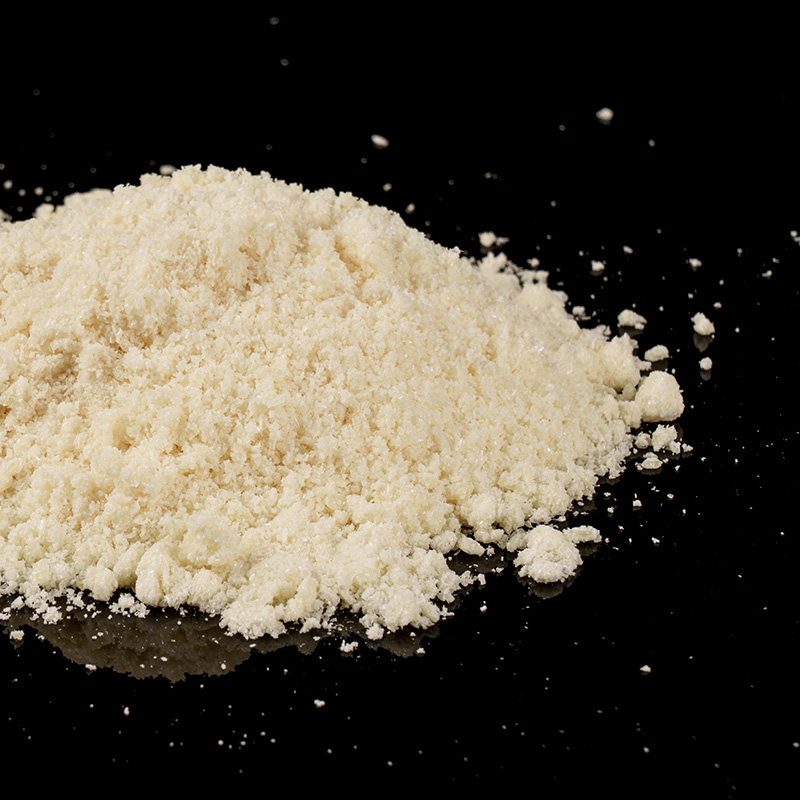
Furan-based resins synthesized from hydroxymethyl furfural are used in foundry molds, coatings, and adhesives due to their high thermal stability and chemical resistance. These resins are often positioned as lower-toxicity alternatives to formaldehyde-based systems in certain industrial settings.
Context
FDCA-derived PEF packaging is one of the clearest commercial signals that HMF chemistry has moved from laboratory curiosity to industrial pipeline.
While several biomass-derived molecules compete in the renewable chemicals space, each has distinct strengths depending on the target application. The table below summarizes how hydroxymethyl furfural compares with other common platform chemicals.
| Chemical | Primary Feedstock | Main Application | Key Derivative |
|---|---|---|---|
| Hydroxymethylfurfural | Fructose, glucose | Polymers, biofuels, resins | FDCA, DMF |
| Furfural | Xylose-rich biomass | Solvents, resins | Furfuryl alcohol |
| Levulinic acid | Cellulosic biomass | Solvents, plasticizers | GVL, MTHF |
| Succinic acid | Glucose fermentation | Polyurethanes, coatings | BDO, THF |
This comparison illustrates that hydroxymethyl furfural occupies a unique position because it can be produced directly from simple sugars, offering shorter and often more cost-efficient conversion pathways than cellulose-derived alternatives like levulinic acid.
Consideration
Feedstock choice matters: sugar-derived HMF pathways are shorter, but they compete with alternative uses of food-grade fructose and glucose streams.
These emerging uses reflect ongoing research interest in expanding the scope of hydroxymethyl furfural beyond its established roles in polymers and fuels, positioning it as a flexible molecule for future green chemistry innovation.
Outlook
Broader adoption across food safety testing, pharmaceuticals, and agrochemicals signals a molecule whose relevance is expanding well beyond its original industrial niche.
Government and industry research bodies have repeatedly identified HMF among the top renewable platform chemicals due to its production efficiency from abundant sugar feedstocks and the breadth of downstream products it can generate. Its capacity to substitute petroleum-based intermediates in packaging, fuel, and resin sectors gives it a strategic advantage over more narrowly applied bio-based chemicals.
As conversion technologies improve and production costs decline, the industrial footprint of hydroxymethyl furfural is expected to expand further, particularly in sectors prioritizing renewable material sourcing and reduced reliance on fossil-derived feedstocks.
Watch Point
Scale-up economics remain the primary barrier — catalytic conversion yields and separation costs still determine whether HMF derivatives can compete on price with petroleum-based equivalents.
Hydroxymethyl furfural sits at the intersection of abundance and versatility — a sugar-derived molecule capable of displacing petrochemical intermediates across packaging, fuel, and resin industries. Its trajectory, from a niche furan derivative to a cornerstone of biorefinery strategy, illustrates how a single well-placed platform chemical can quietly redraw the boundaries of renewable industrial chemistry.

Copyright© Zhejiang Sugar Energy Technology Co., Ltd. All Rights Reserved.
 Custom Biobased Polymer Manufacturers
 英语
英语 中文简体
中文简体