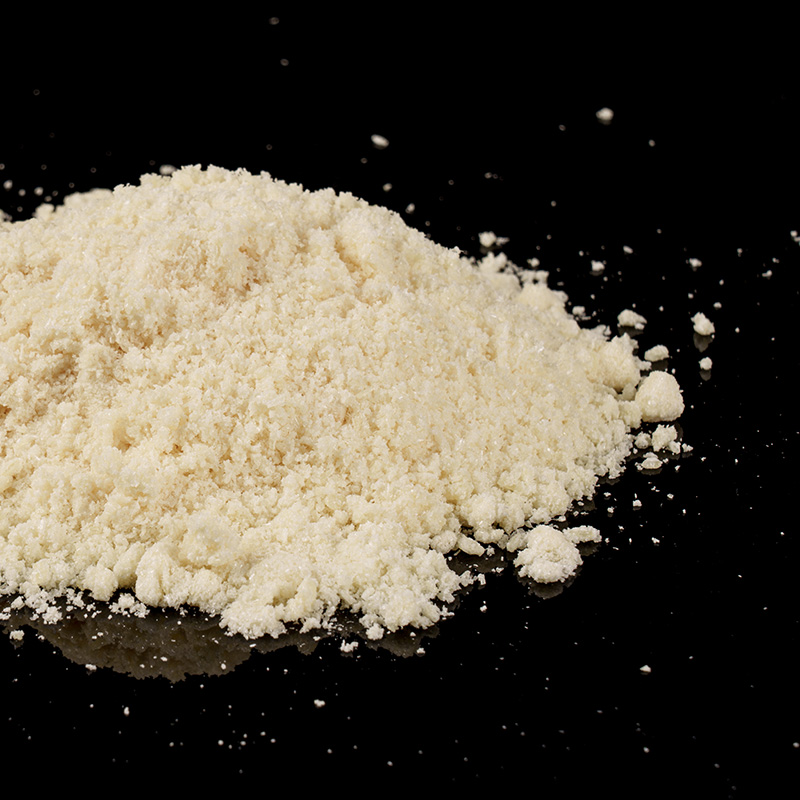
Poly (ethylene 2,5-furandicarboxylate), commonly known as PEF, demonstrates a significantly lower oxygen transmission rate than polyethylene terephthalate (PET). Independent studies consistently show that PEF's oxygen barrier performance is approximately 10 to 19 times better than that of PET, depending on film thickness, humidity conditions, and processing method. This difference stems from the furan ring structure in PEF, which packs more densely than the benzene ring found in PET, reducing the free volume available for oxygen molecules to diffuse through the polymer matrix. For brands and manufacturers evaluating packaging materials for oxygen-sensitive products such as beverages, sauces, and pharmaceuticals, this distinction is not a marginal improvement; it represents a fundamental shift in shelf-life protection capability.
This article breaks down the technical reasons behind this performance gap, presents comparative data, and explores what this means for real-world packaging decisions involving PEF and PET.
Poly (ethylene 2,5-furandicarboxylate)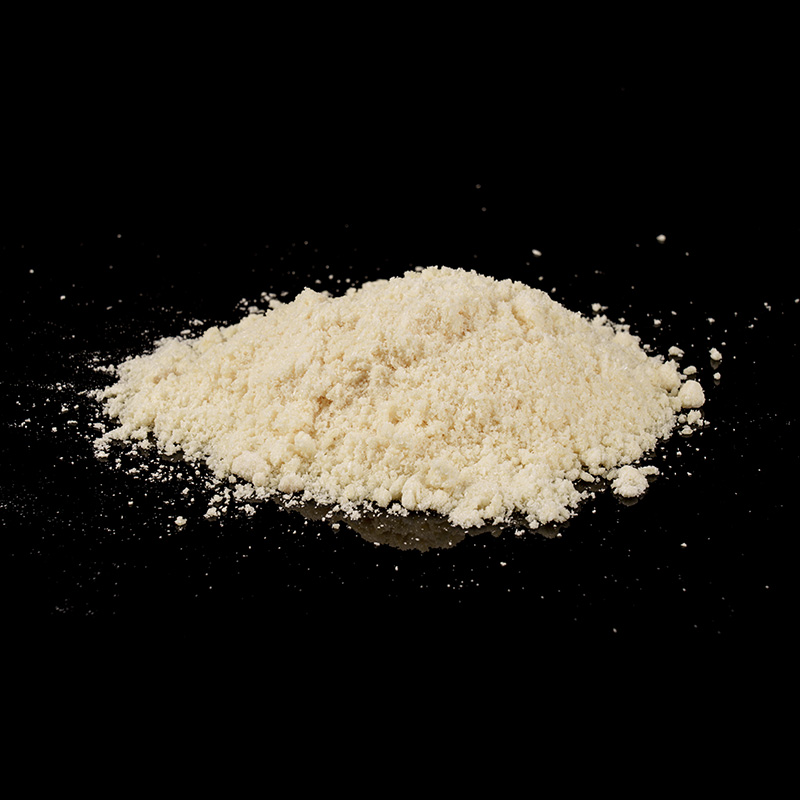
Oxygen barrier performance in polymers is governed primarily by two factors: the diffusion coefficient and the solubility coefficient of oxygen within the polymer matrix. Together, these determine the overall oxygen permeability. Both PEF and PET are polyesters produced through polycondensation reactions, but their monomer building blocks differ in a way that directly affects molecular packing.
PET is derived from terephthalic acid, which contains a six-membered benzene ring. PEF, on the other hand, is derived from 2,5-furandicarboxylic acid (FDCA), a five-membered furan ring compound increasingly produced through biobased chemistry pathways using renewable feedstocks such as fructose or glucose. The furan ring is more planar and polar than the benzene ring, which allows PEF chains to pack more tightly together. This tighter packing reduces the free volume available for gas molecules to pass through, directly lowering the oxygen diffusion coefficient.
In addition to structural packing, the furan ring's dipole moment increases the polarity of the PEF backbone. Higher polarity generally reduces the solubility of nonpolar gases like oxygen within the polymer matrix. This dual effect, reduced diffusion combined with reduced solubility, is what produces PEF's markedly superior oxygen barrier compared to PET.
Numerous peer-reviewed studies have measured oxygen transmission rate (OTR) for both PEF and PET films under standardized conditions. The table below summarizes representative findings reported in polymer science literature, normalized to comparable film thickness and testing conditions (23°C, 0% relative humidity).
| Material | Oxygen Permeability (cc·mm/m²·day·atm) | Relative Barrier Factor |
|---|---|---|
| PET | 0.06 - 0.10 | 1x (baseline) |
| PEF | 0.005 - 0.011 | 10x - 19x better |
These figures illustrate why PEF is frequently discussed as a candidate for high-barrier packaging applications where PET alone has traditionally required additional coatings or multilayer structures to achieve equivalent protection.
The oxygen barrier advantage of PEF translates into tangible benefits for specific packaging categories. Products sensitive to oxidative degradation, flavor loss, or microbial growth in the presence of oxygen stand to gain the most from PEF's properties.
Carbonated soft drinks and beer are particularly sensitive to oxygen ingress, which causes flavor staling and loss of carbonation quality over time. PET bottles typically require multilayer barrier technology or oxygen scavengers to extend shelf life beyond a few months. PEF's inherent barrier properties can potentially eliminate or reduce the need for these additional barrier layers, simplifying bottle design while achieving comparable or superior shelf-life outcomes.
Oxygen-sensitive foods, including sauces, oils, and certain dairy products, benefit from reduced oxidative rancidity when packaged in low-permeability materials. PEF films and containers offer manufacturers a pathway to extend product freshness without relying on additional barrier coatings, which can complicate recycling processes.
Moisture and oxygen-sensitive pharmaceutical products require stringent barrier protection. While PET has been used in blister packs and bottles, PEF's superior barrier characteristics make it an area of active research interest for next-generation pharmaceutical packaging formats.
PEF's rise as a packaging material candidate is closely tied to advances in bio based chemicals production. Unlike PET, which relies on petroleum-derived terephthalic acid and ethylene glycol, PEF is synthesized from FDCA and ethylene glycol, where FDCA can be produced from renewable plant sugars. This shift toward biobased feedstocks has been a major driver of research investment, as it aligns material performance improvements with sustainability goals.
The convergence of improved barrier performance and renewable sourcing is a key reason PEF has attracted attention beyond typical bioplastic alternatives. Many renewable polymers, such as PLA, actually underperform PET in barrier properties, whereas PEF outperforms it, making the sustainability case more compelling from a functional standpoint rather than solely an environmental one.
Barrier performance is not solely determined by intrinsic polymer chemistry; processing conditions also play a substantial role in how these materials perform in finished products.
Both PEF and PET can achieve varying degrees of crystallinity depending on processing conditions such as cooling rate and stretching during blow molding or film extrusion. Higher crystallinity generally improves barrier properties in both materials, but PEF tends to show a more pronounced barrier improvement per unit increase in crystallinity compared to PET.
Biaxial orientation, commonly used in bottle-grade PET production, further reduces oxygen permeability by aligning polymer chains. Preliminary studies on PEF processing suggest similar orientation techniques can be applied, potentially compounding its already superior baseline barrier performance.
One practical consideration for manufacturers is how PEF's barrier advantage interacts with existing recycling infrastructure. PET benefits from decades of established recycling streams, while PEF, as a newer material rooted in biobased chemistry, is still developing dedicated recycling pathways. Some studies indicate that small quantities of PEF can be tolerated within PET recycling streams without major quality degradation, though this remains an area of ongoing research and standardization.
From an environmental footprint perspective, the combination of renewable feedstock sourcing and superior barrier performance means less material may be needed to achieve the same protective function, potentially reducing overall packaging weight and material consumption over the product lifecycle.
For manufacturers and brand owners evaluating PEF against PET, the decision should weigh several practical factors beyond oxygen barrier performance alone:
In summary, PEF's oxygen barrier performance represents a genuine technical advancement over PET, backed by consistent experimental data showing improvements of an order of magnitude or more. While practical adoption depends on cost, supply chain maturity, and recycling infrastructure, the underlying material science strongly favors PEF for applications where oxygen barrier performance is a critical packaging requirement.

Copyright© Zhejiang Sugar Energy Technology Co., Ltd. All Rights Reserved.
 Custom Biobased Polymer Manufacturers
 英语
英语 中文简体
中文简体