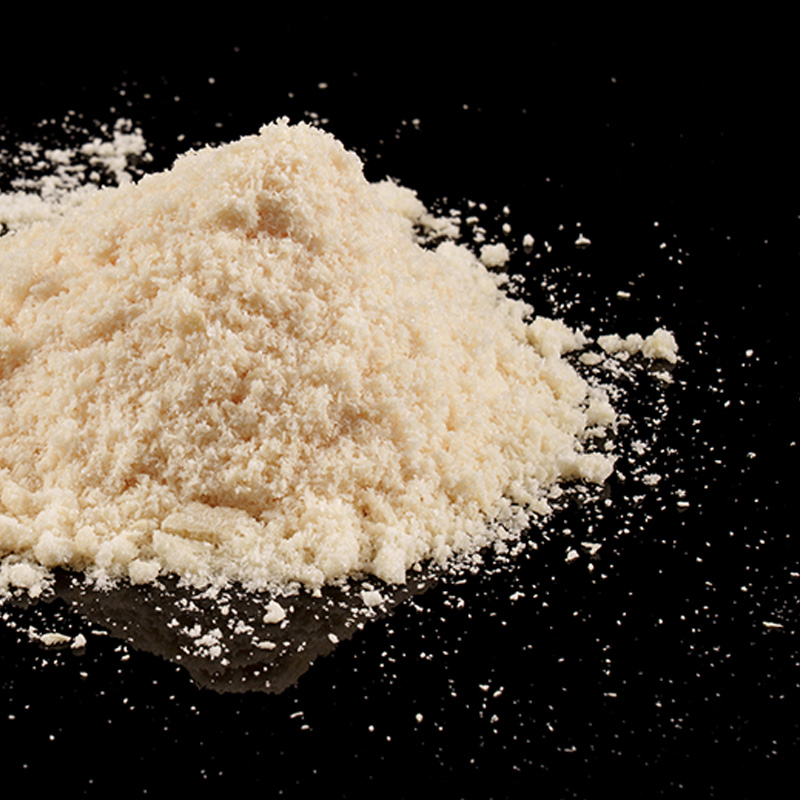
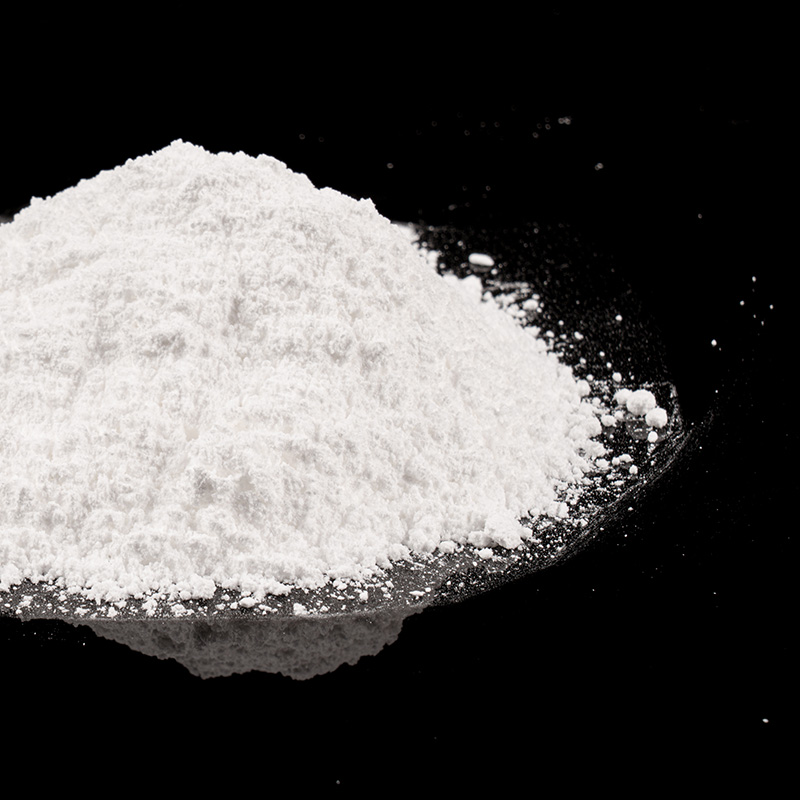
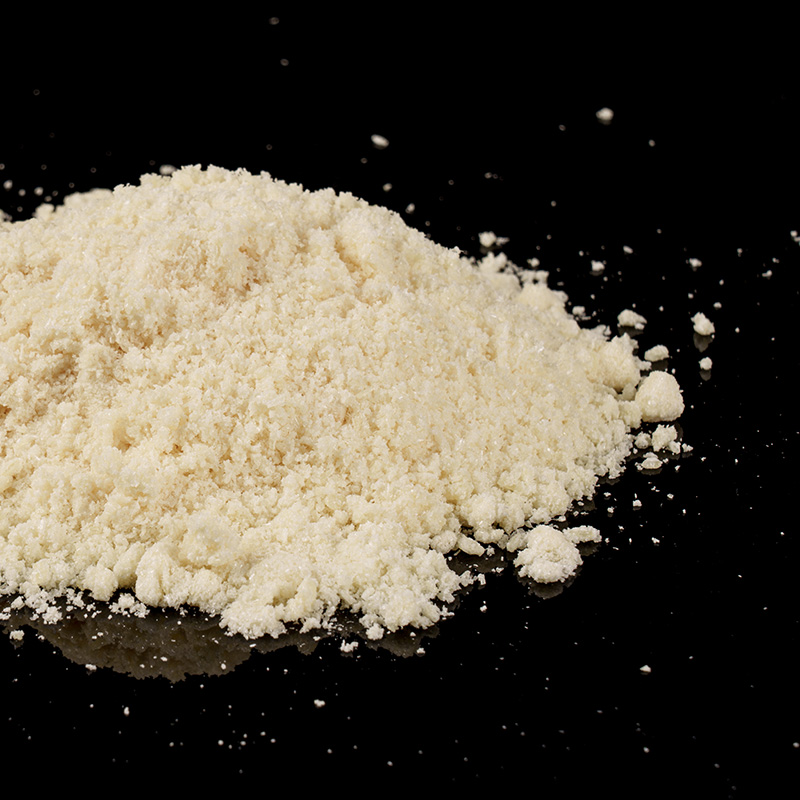
Bio-based origin and renewable feedstocks: 2,5-Furandicarboxylic acid (FDCA) is derived primarily from renewable biomass sources, such as glucose, fructose, sucrose, or agricultural residues, which are abundant and sustainably cultivable. Unlike petroleum-derived monomers, such as terephthalic acid, FDCA production reduces dependency on non-renewable fossil resources, which are finite and associated with significant environmental degradation during extraction, refining, and transportation. The use of biomass aligns with circular economy principles, enabling a more sustainable raw material flow. Additionally, biomass feedstocks can often be sourced from by-products of food or agricultural industries, further reducing waste streams. By transitioning from petroleum to bio-based FDCA, industries can mitigate resource depletion and foster a more resilient and environmentally conscious chemical supply chain.
Lower carbon footprint and greenhouse gas mitigation: One of the most significant sustainability advantages of 2,5-Furandicarboxylic acid (FDCA) is its reduced carbon footprint compared to petrochemical analogues. Life-cycle assessments indicate that the production of FDCA and its polymers, such as polyethylene furanoate (PEF), can result in 30–60% lower greenhouse gas emissions than PET derived from petroleum. The cultivation of biomass feedstocks inherently absorbs atmospheric CO₂ through photosynthesis, partially offsetting emissions from chemical conversion processes. The bio-based synthesis pathways for FDCA generally require lower energy input and fewer high-temperature steps than the conventional multi-step synthesis of terephthalic acid. This combination of lower energy demand and carbon capture potential positions FDCA as a more environmentally responsible monomer.
Biodegradability, recyclability, and end-of-life advantages: Polymers derived from 2,5-Furandicarboxylic acid (FDCA), such as PEF, exhibit improved potential for chemical recycling and in some cases, biodegradability under industrial composting conditions. While FDCA-based polymers are not universally biodegradable, their furan-ring structure allows for enzymatic or hydrolytic depolymerization that is generally more efficient and environmentally friendly than traditional PET recycling, which often requires high temperatures and complex chemical treatments. This feature helps reduce landfill accumulation and environmental pollution associated with conventional plastics. Additionally, the ability to recover monomers for reuse contributes to a circular material economy, supporting sustainable manufacturing practices.
Reduced reliance on toxic chemicals and safer production processes: The synthesis of 2,5-Furandicarboxylic acid (FDCA) from renewable feedstocks typically involves fewer hazardous intermediates and milder reaction conditions than the production of petroleum-based monomers. Conventional terephthalic acid production requires high-temperature oxidation of p-xylene in the presence of cobalt-manganese catalysts, often producing toxic by-products and heavy-metal residues. In contrast, FDCA synthesis generally employs bio-catalytic or environmentally benign chemical routes, minimizing the use of toxic solvents and reducing occupational exposure risks. This safer chemical profile makes FDCA not only more environmentally sustainable but also more favorable for industrial safety compliance and regulatory requirements.
Enhanced material efficiency and resource optimization: Polymers produced from 2,5-Furandicarboxylic acid (FDCA), such as PEF, often exhibit superior physical properties compared to petroleum-based counterparts. FDCA-based polymers have higher gas barrier performance against oxygen and carbon dioxide, superior thermal stability, and comparable or improved mechanical strength. These characteristics allow manufacturers to use thinner films or smaller quantities of polymer while maintaining functional performance in packaging and industrial applications. The result is reduced raw material consumption, lower production waste, and a smaller overall environmental footprint across the product lifecycle.
Support for sustainable agriculture and socio-environmental benefits: The production of 2,5-Furandicarboxylic acid (FDCA) from renewable biomass feedstocks can stimulate sustainable agricultural practices. By utilizing non-food biomass, agricultural residues, or dedicated energy crops, FDCA production encourages efficient land use and resource management without competing directly with food production. This approach also provides economic opportunities for rural and agricultural communities, creating value from underutilized biomass streams. The integration of FDCA production into sustainable biomass supply chains reinforces environmental stewardship, supports renewable resource utilization, and contributes to global sustainability goals.

Copyright© Zhejiang Sugar Energy Technology Co., Ltd. All Rights Reserved.
 Custom Biobased Polymer Manufacturers
 英语
英语 中文简体
中文简体