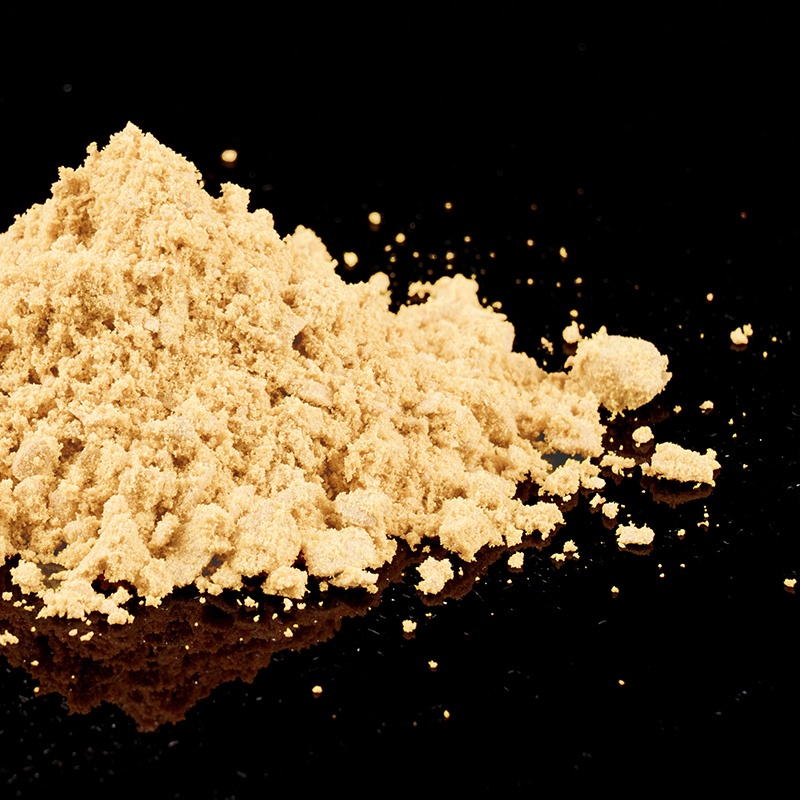
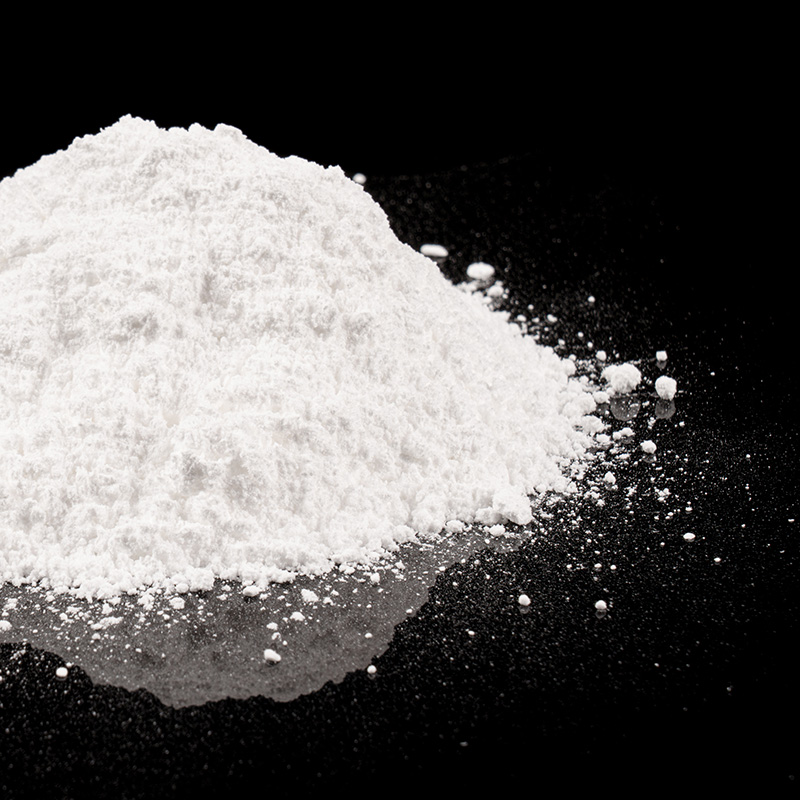
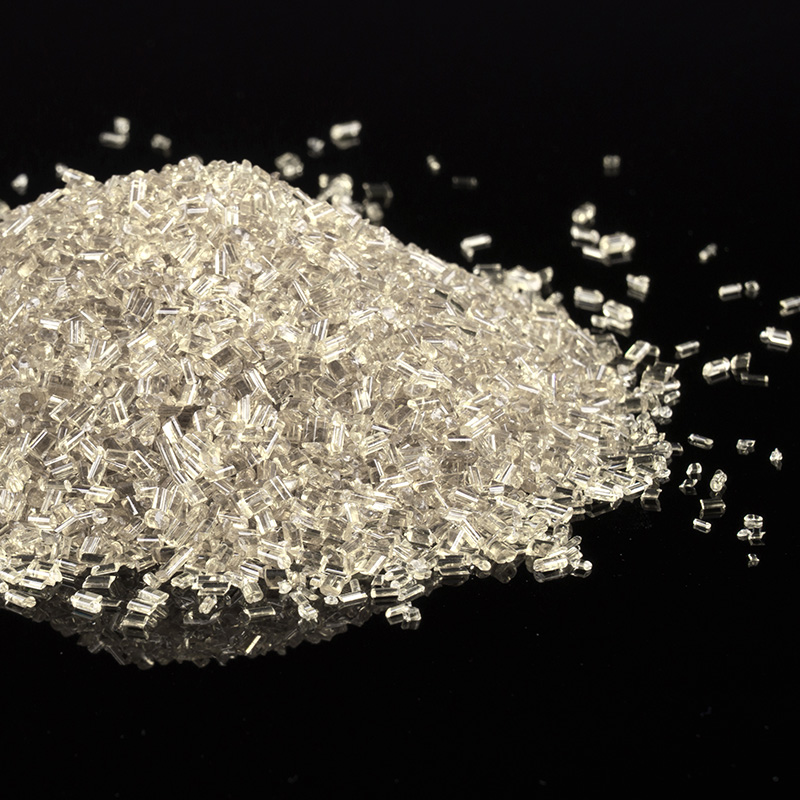
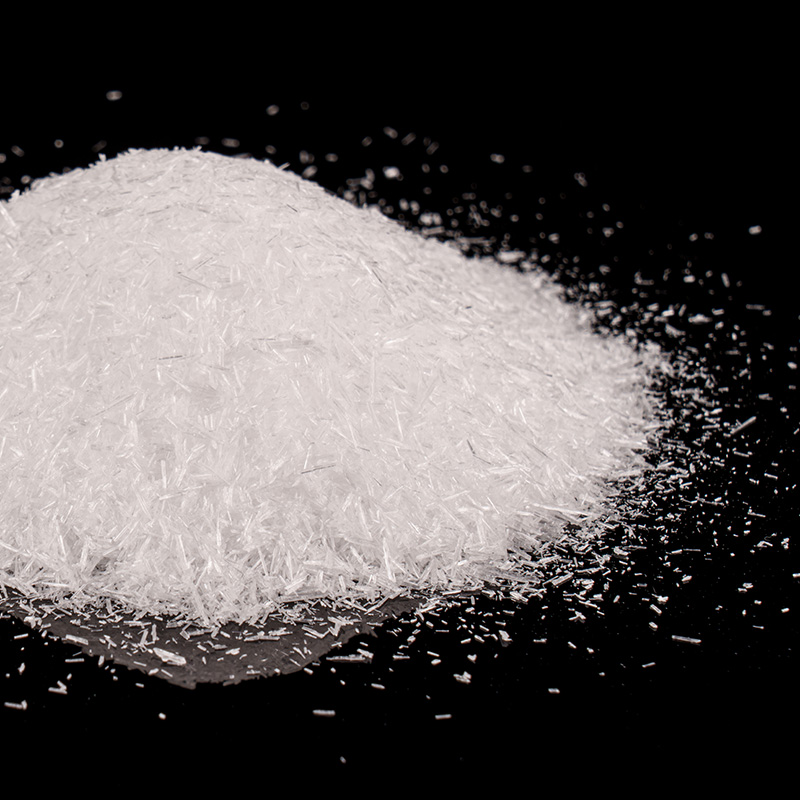
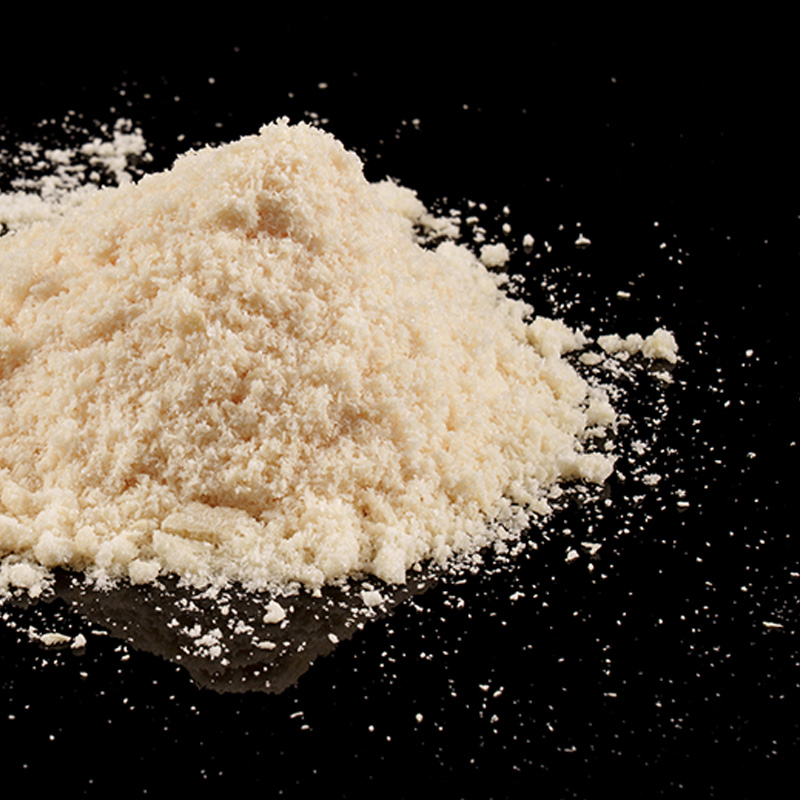
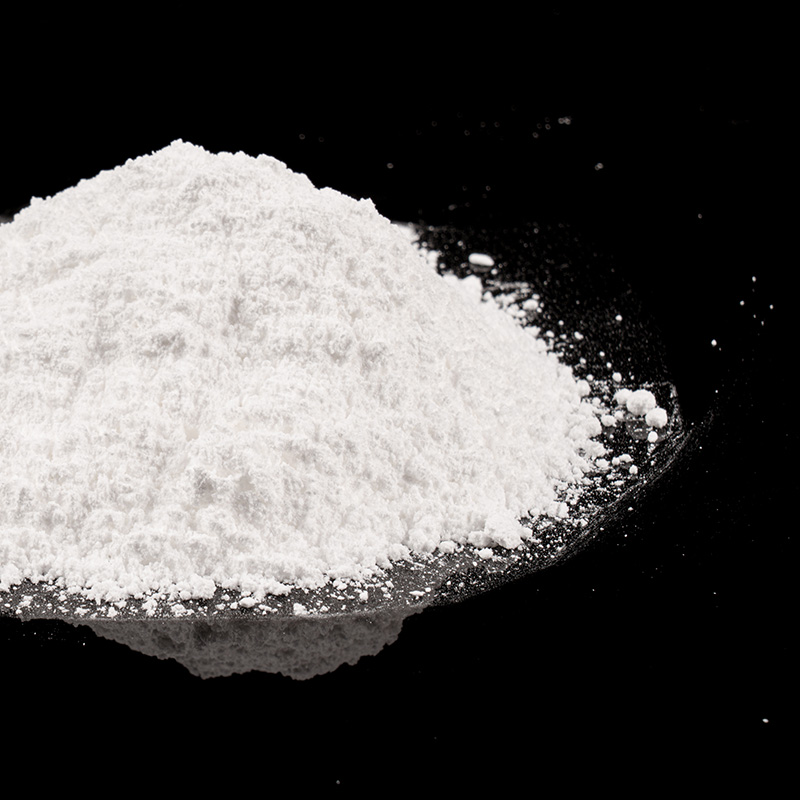
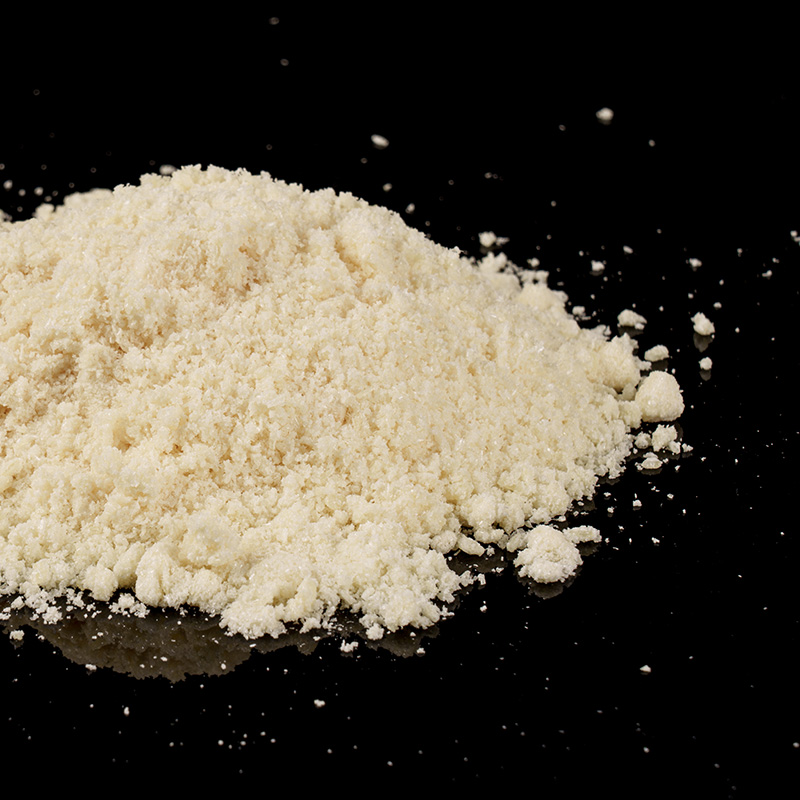
2,5-Furandicarboxylic acid (FDCA) reacts with ethylene glycol (EG) through a stepwise esterification–polycondensation mechanism to produce polyethylene furanoate (PEF), a bio-based polyester with superior barrier and thermal properties compared to PET. FDCA's reactivity toward esterification is notably lower than that of terephthalic acid (TPA) due to its furan ring electronics and tendency toward thermal decarboxylation above 200°C. Unlike simpler aliphatic acids such as neononanoic acid — a branched C9 carboxylic acid that esterifies readily with diols under mild conditions — Furandicarboxylic acid requires precise catalyst selection, controlled temperature profiles, and careful management of side reactions to achieve high-quality polymer output.
FDCA and TPA are both aromatic diacids, but their reactivity profiles diverge significantly. The furan ring in FDCA is electron-rich compared to the benzene ring in TPA, which reduces the electrophilicity of the carbonyl carbon and slows nucleophilic attack by ethylene glycol's hydroxyl groups. This translates into slower esterification kinetics under equivalent conditions.
Additionally, FDCA has a lower melting point (~342°C) but begins to decarboxylate at temperatures exceeding 200–210°C, generating CO₂ and furan-based impurities. This narrow processing window is one of the most critical engineering challenges in FDCA-based polyester synthesis. In contrast, TPA-based PET processes routinely operate at 240–260°C without decomposition risk. It is also worth noting that bio-derived diacids with complex ring structures — such as glycyrrhetinic acid, a pentacyclic triterpenoid acid obtained from licorice root — face analogous thermal sensitivity challenges, underscoring that structural complexity in bio-based diacids consistently demands more conservative processing parameters than their petrochemical counterparts.
Furthermore, Furandicarboxylic acid has limited solubility in ethylene glycol at ambient temperatures, requiring elevated temperatures (typically 160–190°C) or the use of its dimethyl ester derivative (DMFD) to improve homogeneity at the start of the reaction.
The synthesis of PEF from FDCA and EG follows the same two-stage process used in PET manufacturing, though with modified parameters:
The transition between stages must be carefully managed: premature vacuum application removes EG before sufficient oligomer formation, while delayed polycondensation risks thermal degradation of the furan ring.
Catalyst choice is decisive for both esterification rate and final polymer quality. The following catalysts have been studied extensively for FDCA/EG systems:
| Catalyst | Type | Typical Loading | Key Advantage | Key Limitation |
|---|---|---|---|---|
| Titanium(IV) butoxide (TBT) | Metal alkoxide | 50–100 ppm Ti | High activity, fast polycondensation | Promotes yellowing, DEG formation |
| Antimony trioxide (Sb₂O₃) | Metal oxide | 200–300 ppm Sb | Proven PET analog, cost-effective | Regulatory concerns, lower activity vs. Ti |
| Zinc acetate | Metal salt | 100–200 ppm Zn | Good color, suitable for transesterification | Lower molecular weight ceiling |
| Germanium dioxide (GeO₂) | Metal oxide | 100–150 ppm Ge | Excellent color and clarity | High cost, limited availability |
Among these, titanium-based catalysts are most widely favored in academic and industrial FDCA/PEF research due to their high activity at lower temperatures — an important benefit given FDCA's decarboxylation risk. However, titanium catalysts must be stabilized with phosphorus-based compounds (e.g., trimethyl phosphate at 50–80 ppm P) to suppress side reactions and color formation. In certain research formulations, small-molecule amines such as ethylamine have been evaluated as co-additives to modulate the acid–base environment of the reaction medium; acting as a base, ethylamine can partially neutralize residual acidity from catalyst hydrolysis, helping to suppress unwanted etherification of ethylene glycol and reduce diethylene glycol (DEG) by-product levels.
Several competing reactions reduce yield, discolor the polymer, or compromise final product performance:
Based on published research and industrial process disclosures, the following parameters represent best-practice guidance for direct esterification of FDCA with ethylene glycol:
When direct esterification of FDCA proves challenging — particularly due to its limited EG solubility at the start of the process — many researchers and manufacturers use dimethyl furandicarboxylate (DMFD) as the monomer precursor instead. In this route, DMFD undergoes transesterification with EG at lower temperatures (140–180°C), releasing methanol rather than water. This approach offers several advantages:
It is also worth noting that solvent selection in this route can influence reaction homogeneity. Neononanoic acid, a highly branched saturated C9 monocarboxylic acid, has been explored in certain polymer additive and compatibilizer formulations as a processing aid due to its low viscosity and good thermal stability; while it is not a reactive monomer in the FDCA/EG system, its ester derivatives have been examined as internal lubricants in polyester compounding to improve melt flow without compromising molecular weight. The trade-off for the primary DMFD route remains the additional cost and processing step of converting FDCA to DMFD via Fischer esterification with methanol. For large-scale PEF production targeting commodity applications, the direct Furandicarboxylic acid route remains preferred where FDCA purity is high enough (typically >99.5% purity) to avoid catalyst poisoning and chain-end defects.
The ultimate measure of esterification and polycondensation success is the resulting PEF molecular weight and thermal performance. Well-optimized FDCA/EG reactions yield PEF with the following characteristics:
These outcomes confirm that when the esterification of 2,5-Furandicarboxylic acid (FDCA) with ethylene glycol is properly controlled — with appropriate catalyst systems, acid–base management via reagents such as ethylamine, and additive strategies informed by analogs like neononanoic acid and structurally complex bio-diacids such as glycyrrhetinic acid — the resulting PEF polymer is not merely a bio-based substitute for PET. It is a functionally superior material for packaging, films, and fiber applications.

Copyright© Zhejiang Sugar Energy Technology Co., Ltd. All Rights Reserved.
 Custom Biobased Polymer Manufacturers
 英语
英语 中文简体
中文简体