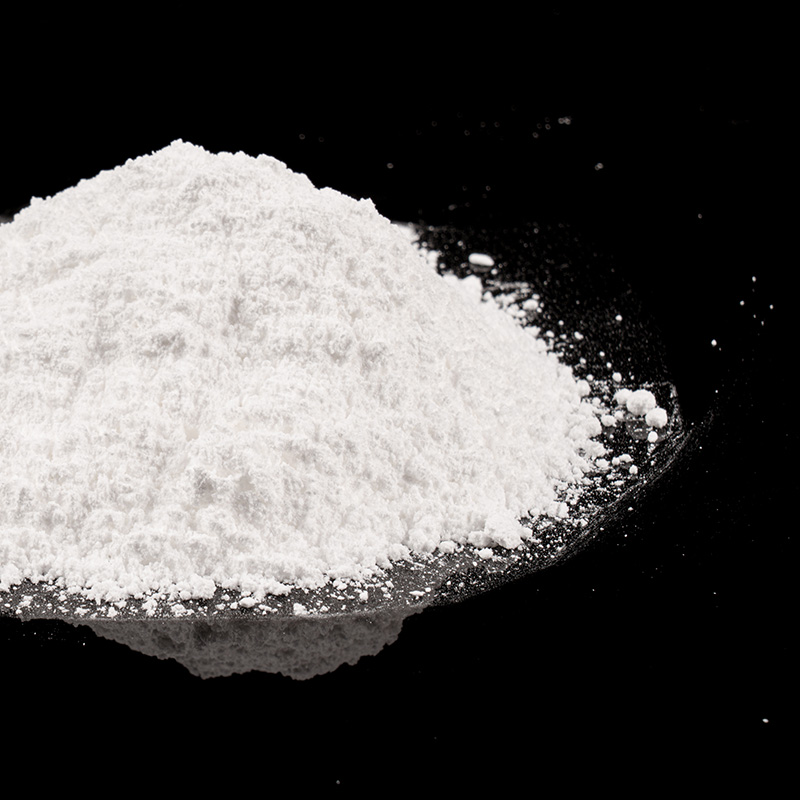
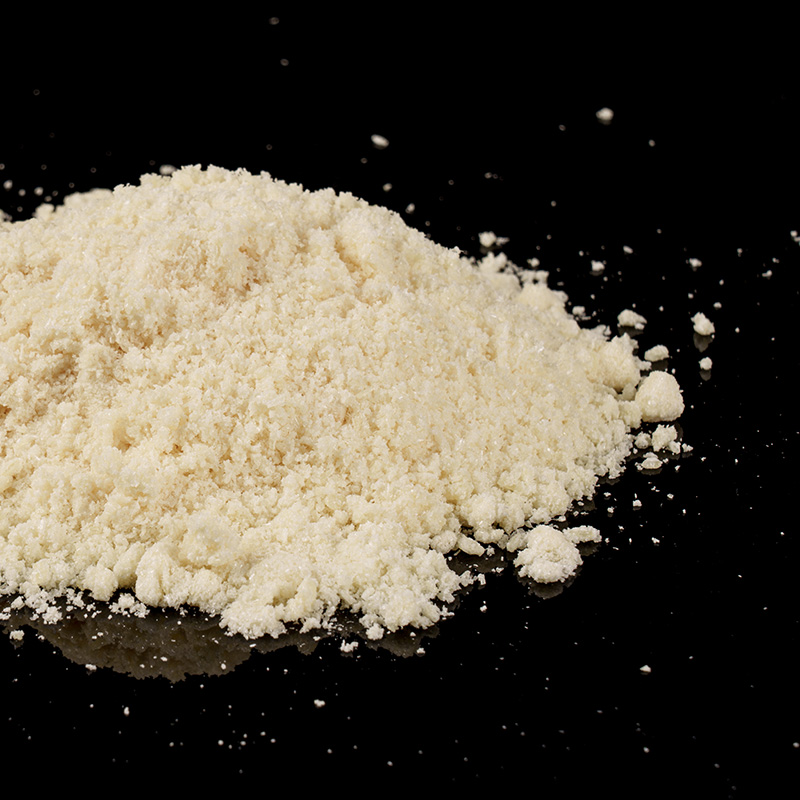
Every production run of 5-hydroxymethylfurfural (HMF) begins with the same core reaction covered in introductory organic chemistry: acid-catalyzed dehydration. When a sugar such as fructose is heated with a proton donor, it loses three equivalents of water and rearranges into a furan ring carrying both an aldehyde and a hydroxymethyl group. That sequence of bond-breaking and bond-forming steps, scaled from a laboratory flask to an industrial production line, is why acid-catalyzed dehydration matters well beyond the textbook.
Acid-catalyzed dehydration removes a water molecule from an alcohol or a polyhydroxy compound. For a simple alcohol, the net transformation is an elimination: the hydroxyl group is protonated by the acid, water departs to form a carbocation, and a neighboring carbon loses a proton to give an alkene. The acid is regenerated at the end of the catalytic cycle, so only catalytic quantities are needed in principle, although concentrated acids are often used in practice to drive the equilibrium toward products.
The mechanism determines the product distribution. Tertiary alcohols dehydrate readily through an E1 pathway because the intermediate carbocation is relatively stable. Secondary alcohols also follow E1 but require harsher conditions and often deliver mixtures of positional isomers. Primary alcohols are the most difficult; they generally need very strong acid and high temperature, and under those conditions an E2 pathway tends to dominate.
Carbocation rearrangements are a practical consequence of the mechanism. Hydride and alkyl shifts can occur before deprotonation, producing alkenes whose carbon skeleton differs from that of the starting alcohol. For process chemists this is not an academic detail: it directly affects purity targets, separation cost, and final product specifications.
Not every acid behaves the same way in a dehydration. Sulfuric acid, phosphoric acid, and p-toluenesulfonic acid are the classic choices because their conjugate bases are weak nucleophiles. Once water leaves the protonated alcohol, the carbocation is not captured by the anion, so elimination proceeds cleanly. Hydrohalic acids such as HCl, HBr, and HI behave differently: their halide anions are good nucleophiles, so substitution competes with elimination, and the major product is often an alkyl halide rather than an alkene.
Temperature and acid concentration are the two levers that process engineers adjust first. Dehydration is endothermic, so higher temperature shifts the equilibrium toward the alkene and accelerates the reaction. More concentrated acid increases the population of protonated hydroxyl groups and drives the reaction further toward products. The trade-off is that aggressive conditions also accelerate side reactions, including alkene oligomerization and, in carbohydrate chemistry, the formation of insoluble humins.
| Acid | Typical Strength | Preferred Alcohol Class | Practical Notes |
|---|---|---|---|
| Sulfuric acid | Concentrated, 60-98% | Tertiary, secondary | Inexpensive but can oxidize sensitive substrates |
| Phosphoric acid | 85% or diluted | Secondary, primary | Milder oxidizing behavior, easier handling |
| p-Toluenesulfonic acid | Catalytic to stoichiometric | Tertiary, secondary | Organic-soluble, convenient for batch reactions |
When the substrate is a carbohydrate, acid-catalyzed dehydration becomes the gateway to furan chemistry. Fructose undergoes three consecutive dehydration steps to form 5-hydroxymethylfurfural. Each step removes one water molecule, and the final product retains a furan ring bearing two functional groups: an aldehyde and a hydroxymethyl group. That substitution pattern is rare among commodity chemicals and provides the structural basis for an entire family of furan-based materials.
This is the chemistry that Zhejiang Sugar Energy Technology applies at commercial scale. The company converts biomass-derived sugars, including those from starch, cellulose, sucrose, and agar, into its flagship product, 5-hydroxymethylfurfural (HMF). The dual functionality of HMF, with a hydroxyl group on one side of the ring and an aldehyde on the other, makes it a versatile platform for further transformations into monomers, solvents, and polymers.
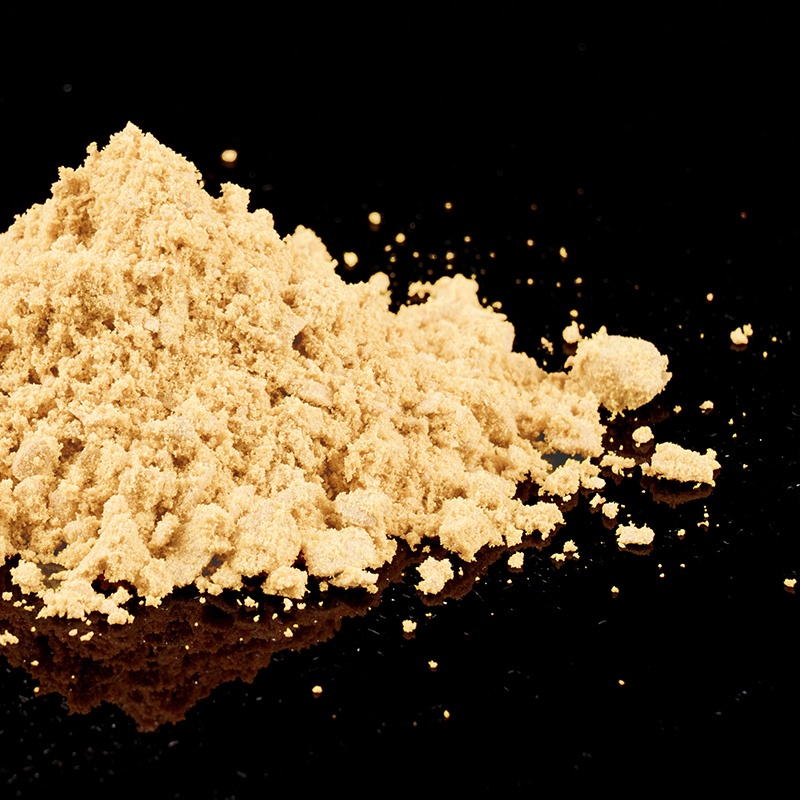 Wholesale 5- Hydroxymethylfurfural (HMF) Manufacturers, SuppliersZhejiang Sugar Energy Technology Co., Ltd. is professional China 5- Hydroxymethylfurfural (HMF) manufacturers and suppliers, we offer Who...View Product →
One important nuance is that fructose dehydrates far more readily than glucose. Glucose must first isomerize to fructose before the dehydration sequence can run efficiently, which is why industrial processes often use fructose-rich feedstocks or include an upstream isomerization step. Feedstock selection is therefore not just an economic decision; it changes the kinetics of the entire dehydration train.
In a laboratory flask, HMF yields above 80% are achievable with carefully chosen conditions. At production scale, the picture is messier. HMF is a reactive molecule: once formed, it can rehydrate to levulinic acid and formic acid, or it can condense with itself and with sugar fragments to form humins, the dark insoluble polymers that foul reactors and cut yield. The difference between a good and a poor process is often measured not by the initial rate of dehydration but by how effectively the HMF is protected after it forms.
Biphasic reaction systems are one of the most effective answers. When HMF partitions into an organic extraction solvent as soon as it is produced, its concentration in the aqueous acid phase stays low, which suppresses rehydration and condensation. Alternative solvents such as dimethyl sulfoxide and certain ionic liquids can also stabilize HMF and limit humin formation, although they complicate product recovery. Reaction selectivity is influenced by the choice of acid, temperature profile, residence time, and the continuous removal of water from the system. These are the variables that separate a laboratory demonstration from a reliable commercial line.
The connection between reaction selectivity and product purity is direct. Higher selectivity at the dehydration stage means fewer byproducts to remove downstream, lower refining cost, and a cleaner monomer for polymer applications. For buyers of HMF and its derivatives, purity affects polymerization behavior, color stability, and compatibility with downstream catalysts. That is why improving reaction selectivity in HMF conversion remains a central theme in industrial research.
The value of acid-catalyzed dehydration extends well beyond HMF itself. HMF is the branching point for a family of derivatives whose subsequent chemistry involves oxidation, hydrogenation, esterification, and amination rather than dehydration. Oxidation of HMF gives 2,5-furandicarboxylic acid (FDCA), a dicarboxylic acid widely discussed as a biobased replacement for terephthalic acid in polyester production. The 2,5-furandicarboxylic acid (FDCA) offered by Sugar Energy is one example of this downstream chemistry turned into a commercial product. Hydrogenation of HMF yields 2,5-furandimethanol (FDM), and further ring hydrogenation gives tetrahydrofuran derivatives with distinct polarity and reactivity profiles.
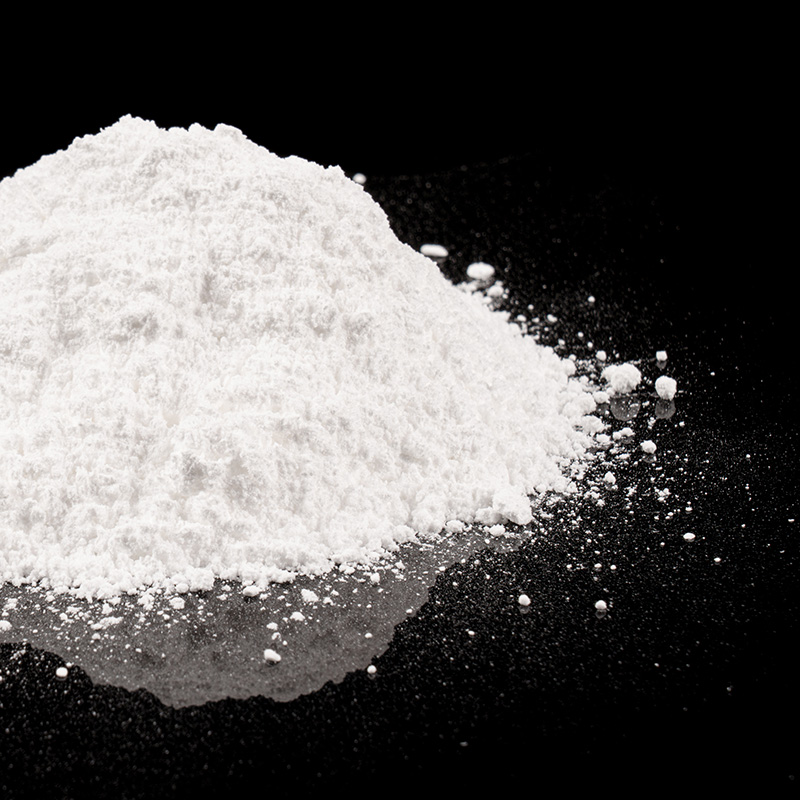 Custom 2, 5- Furandicarboxylic Acid (FDCA) Manufacturers, SuppliersSugar Energy Technology is China 2, 5- furandicarboxylic acid (FDCA) manufacturers and suppliers, we custom 2, 5- furandicarboxylic acid ...View Product →
The most commercially visible end product of this chain is poly(ethylene 2,5-furandicarboxylate), or PEF, produced by polycondensing FDCA with ethylene glycol. PEF has attracted sustained attention because its barrier properties toward oxygen and carbon dioxide are reported to exceed those of PET while the polymer remains fully biobased. The company's PEF resin sits at the polymer end of the value chain, where the furan ring created by dehydration is locked into a material backbone. Packaging, bottles, films, and textile fibers are the application areas that drive current interest in this polyester.
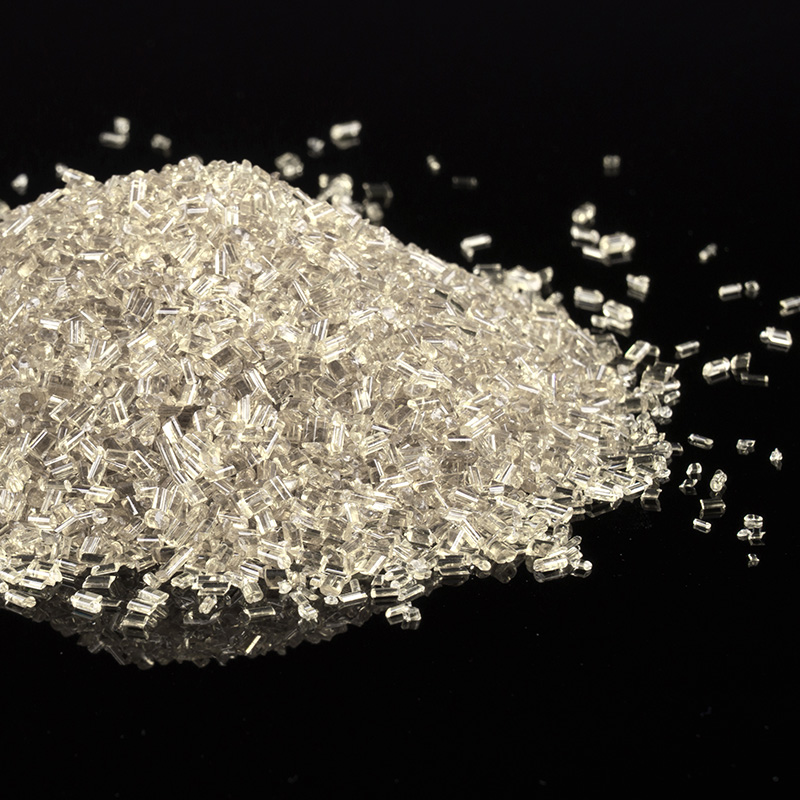 Poly (Ethylene 2,5-Furandicarboxylate) (PEF) Manufacturers, SuppliersAs China Poly (ethylene 2,5-furandicarboxylate) (PEF) manufacturers and suppliers, Zhejiang Sugar Energy Technology Co., Ltd. offer Whole...View Product →
| Derivative | Reaction from HMF | Primary Material Role |
|---|---|---|
| FDCA | Oxidation of both side chains | Polyester and polyamide monomer |
| FDME | Esterification of FDCA | Purified monomer for polymer synthesis |
| FDM | Hydrogenation of aldehyde group | Diol for coatings and polyurethanes |
| THFDM | Ring hydrogenation of FDM | Aliphatic diol for specialty polymers |
| BAMTHF | Amination of THFDM | Diamine for epoxy curing and polyamides |
Moving acid-catalyzed dehydration from the laboratory to a production plant introduces three practical constraints that are easy to overlook. The first is materials of construction. Hot concentrated acids corrode ordinary stainless steel, so glass-lined reactors, high-alloy steels, or continuous flow designs with acid-resistant internals are typically required. The second is waste handling. Although the acid is catalytic in principle, industrial processes often use stoichiometric or near-stoichiometric quantities to achieve acceptable rates, and neutralization generates salt waste that must be treated and disposed of properly. The third is energy intensity. Dehydration produces water as a byproduct, and removing that water from the reaction mixture, whether to shift the equilibrium or to recover the product, consumes significant energy.
These constraints shape the economics of biobased furan chemicals. Producers that integrate the dehydration step with efficient downstream separation and select feedstocks aligned with the reaction kinetics hold a measurable cost advantage. That is why process development in this field is as much about engineering as it is about catalysis.
Acid-catalyzed dehydration is one of the oldest reactions in organic chemistry, yet it remains the decisive step in producing some of the most important biobased platform molecules now in commercial development. Understanding the mechanism, including protonation, water loss, carbocation formation, and deprotonation, explains why the choice of acid, temperature, and water management determines whether a process delivers a clean alkene, an ether, or a tar-like mixture. At industrial scale, those same principles determine whether a sugar feedstock can be converted efficiently into HMF and, from there, into FDCA, PEF, and other furan-based materials. For anyone evaluating biobased chemical suppliers, asking how the dehydration step is engineered is one of the fastest ways to separate a mature process from a laboratory curiosity.

Copyright© Zhejiang Sugar Energy Technology Co., Ltd. All Rights Reserved.
 Custom Biobased Polymer Manufacturers
 英语
英语 中文简体
中文简体