Every oxidation problem eventually arrives at the same question: how far do you want to push the molecule, and how much reagent are you willing to spend on the trip? Chromic acid answers with blunt consistency. In a single operation it converts a primary alcohol all the way to the carboxylic acid, and a secondary alcohol cleanly to the ketone. That reliability is exactly why the reagent is still taught, still cited, and still used in thousands of procedures — even as production chemistry quietly moves toward lighter, catalytic alternatives.
A practitioner's view of the classic chromium(VI) route — what it excels at, where its limits appear, and how the same oxidation logic now shapes renewable monomer chemistry.
Chromic acid oxidation is, in practice, a chemistry of in situ preparation. Chromic acid (H2CrO4) is rarely purchased under that name. It is generated in solution from inexpensive chromium(VI) sources, and the active species is identical no matter which recipe you choose.
All three preparations release the same electrophilic chromium(VI) species. The oxidation runs through a chromate ester: the alcohol oxygen binds to chromium, then a carbon-hydrogen bond on the carbinol carbon breaks, and the substrate climbs to a higher oxidation state. In the process the chromium center descends from deep orange chromium(VI) to green chromium(III). That emerald color is not an accident — it is the reagent reporting that it has finished its work.
The destination depends on how many hydrogen atoms remain attached to the carbinol carbon, the carbon carrying the hydroxyl group.
| Substrate | Product | What happens |
|---|---|---|
| Primary alcohol | Carboxylic acid | Passes through the aldehyde, which hydrates and is oxidized further |
| Secondary alcohol | Ketone | The reaction stops at the ketone under normal conditions |
| Tertiary alcohol | No reaction | No abstractable hydrogen remains on the carbinol carbon |
| Aldehyde | Carboxylic acid | The hydrated form behaves exactly like a primary alcohol |
In aqueous chromic acid, an aldehyde is not a stopping point. It is a holding area. The only clean way to stop at the aldehyde is to remove water and choose a milder chromium reagent such as PCC.
This structural logic reaches far beyond simple alcohols. If a molecule carries two oxidizable positions, a strong chromium reagent drives both ends toward the carboxylic acid level. Consider 5-hydroxymethylfurfural (HMF), a biobased platform chemical built on a furan ring with a primary alcohol on one side and an aldehyde on the other. Complete oxidation of HMF gives 2,5-furandicarboxylic acid (FDCA), the diacid monomer that has become central to renewable packaging chemistry.
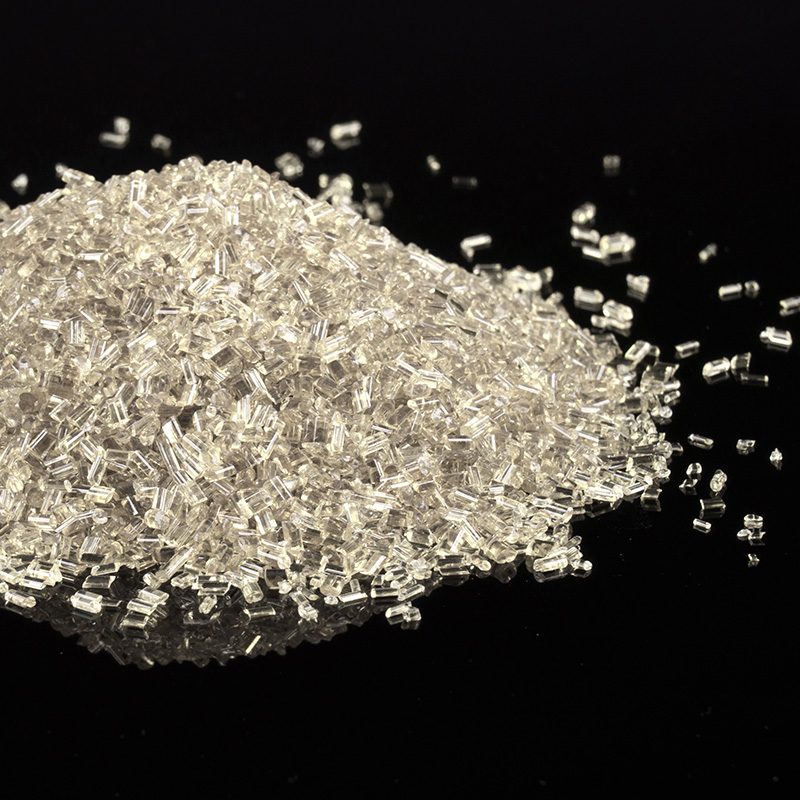
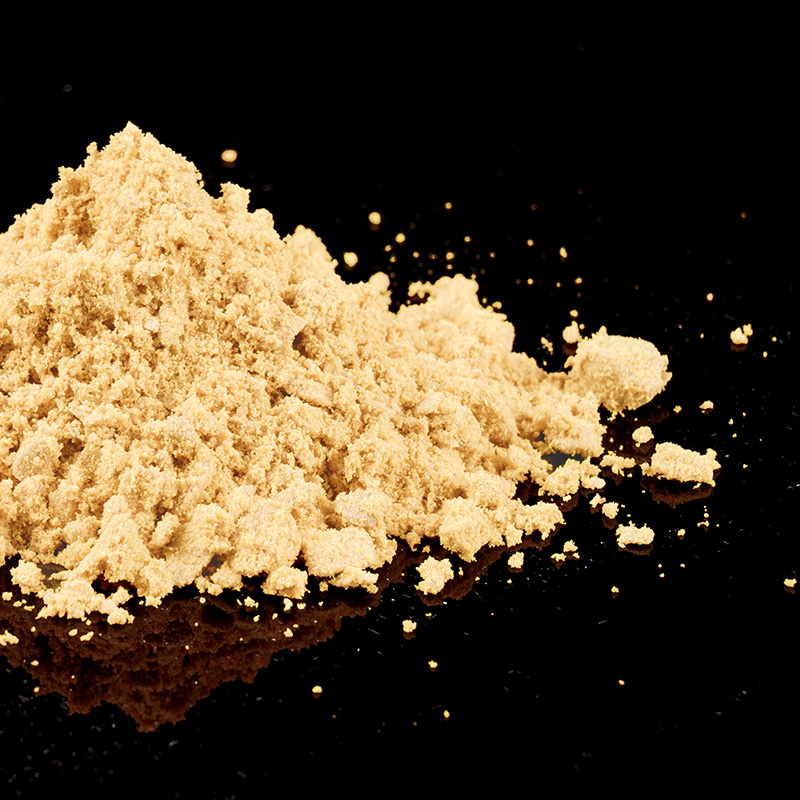 5-Hydroxymethylfurfural (HMF): A Bio-Based Platform ChemicalThis biobased furan compound with both alcohol and aldehyde groups is the key precursor for FDCA, highlighting its role in the oxidation chemistry discussed.View Product →
Industrial routes to FDCA do not rely on stoichiometric chromium, but they are built on exactly this oxidation logic: push both furanic functional groups to the same high oxidation state and isolate the diacid. The reagent changes; the concept does not.
At the bench, chromic acid is cheap, reliable, and fast. At the pilot plant, it becomes a ledger of liabilities. The stoichiometry is the first reality check: one chromium(VI) center accepts three electrons, while converting a primary alcohol to a carboxylic acid requires two. The practical consequence is two equivalents of chromium consumed for every three substrate molecules — a heavy-metal burden that grows embarrassingly fast as batches move from grams to kilograms.
Then comes the waste. Chromium(VI) is toxic and classified as a carcinogen. Spent mixtures must be reduced to chromium(III), precipitated, and handled as hazardous waste. Selectivity also becomes harder to defend in large vessels: vigorous exotherms and local over-oxidation can attack benzylic or allylic positions, and an ice bath is no longer a reliable friend in a 100-liter reactor.
That is why producers of oxidation-derived biobased monomers look for catalytic alternatives. The commercial route to FDCA centers on catalytic aerobic oxidation of HMF rather than stoichiometric chromium chemistry. The reaction goal is the same, but the oxidant and the atom economy are completely different. A clear overview of the chemical oxidation method for FDCA preparation shows how far the field has moved from the classic chromium reagent.
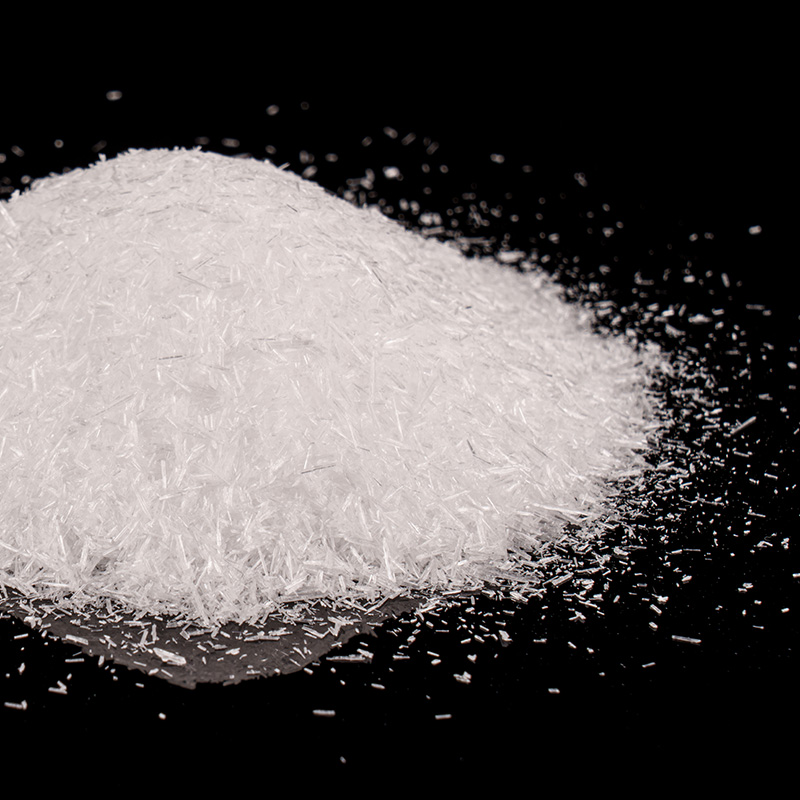
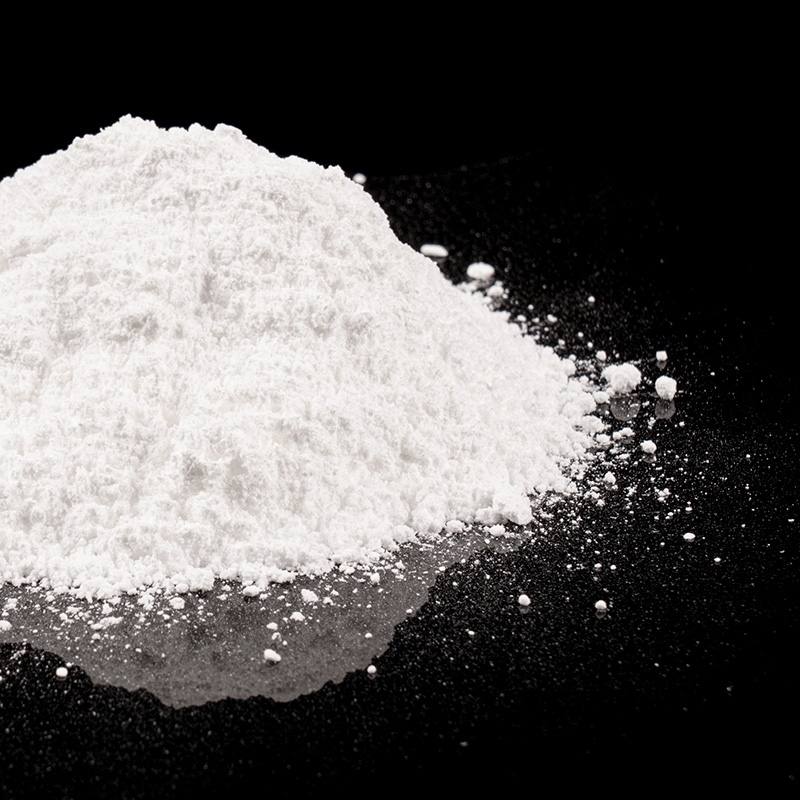 2,5-Furandicarboxylic Acid (FDCA): Renewable Diacid MonomerThe fully oxidized product of HMF and a substitute for terephthalic acid, positioned as a commercial biobased monomer for packaging and plastics.View Product →
FDCA itself sits at the end of that oxidation sequence, waiting to be polymerized into packaging, fibers, and engineering plastics.
None of this means the reagent belongs only in textbooks. For small-scale work, method validation, and reactions where speed matters more than reagent economy, chromic acid remains a dependable choice. If the substrate tolerates strongly acidic aqueous conditions, if the target is the carboxylic acid rather than the aldehyde, and if the batch fits inside a fume hood, the reaction often finishes in under an hour with glassware already on the shelf.
The practical rule is to match the reagent to the scale and to the oxidation state you actually need. Need the ketone from a secondary alcohol? Chromic acid delivers it cleanly. Need the acid from a primary alcohol while a sensitive alkene sits nearby? Protect the alkene, keep the temperature low, or consider a nitroxyl-mediated or enzymatic route.
The reagent's reputation is earned. Chromium(VI) compounds are mutagenic and carcinogenic, and the acidic solutions used in oxidations are especially aggressive toward skin and eyes. The rules below are the minimum for anyone running these reactions.
Never allow skin contact with chromic acid solutions or chromium(VI) solids. Work in a fume hood, wear nitrile gloves, and use splash protection. Even a small spill can produce a serious chemical burn.
Quench spent and excess oxidant before disposal by adding sodium bisulfite or sodium metabisulfite. This reduces chromium(VI) to the far less hazardous chromium(III), which can then be treated as regulated metal waste.
The orange-to-green transition is your visual indicator. If the mixture stays orange beyond the expected time, either the substrate is slow or the oxidant has been consumed by side reactions.
A clean oxidation shows itself: the orange reagent discharges steadily to deep green, the temperature stays under control, and the quench produces no fuming, heat spike, or gas evolution.
Step back from the glassware and the reagent shelf. Oxidation with chromic acid is more than a name from the undergraduate curriculum; it is a working demonstration of how oxidation state shapes molecular architecture. The same conceptual path — an alcohol climbing to an aldehyde and then to a carboxylic acid — runs directly through the production of renewable monomers.
In the furan platform organized around HMF, oxidation levels are the grammar of the whole family. HMF carries an alcohol and an aldehyde; FDCA is its fully oxidized diacid form; and the diol 2,5-furandiyldimethanol (FDM) occupies the reduced end of the same structural skeleton. Each of these molecules sits at a different position on the oxidation staircase, and each is valuable for different downstream chemistry.
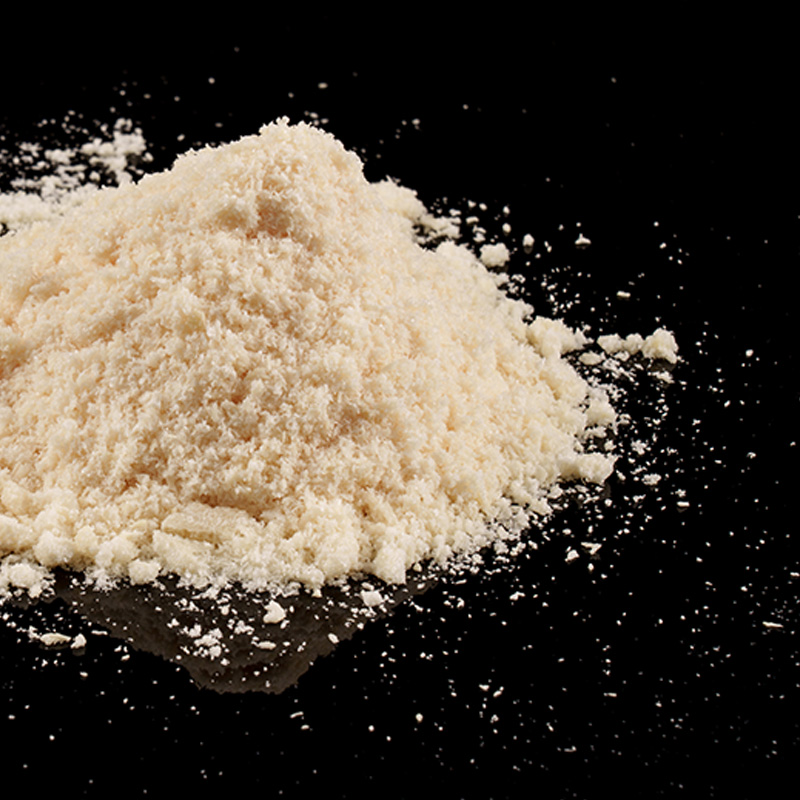 2,5-Furandiyldimethanol (FDM): Reduced Furan DiolThe reduced counterpart in the furan oxidation staircase, produced by hydrogenation of HMF, useful for pharmaceuticals and polyesters.View Product →
For the bench chemist, the lesson is to treat chromic acid with respect and to select it deliberately: use it when it is the fastest honest path, and design around it when scale or sensitivity calls for more elegant oxidation chemistry. For the industry observer, the same reaction is a reminder that the furanic building blocks of the future are connected by chemical logic that has been around for generations. The only real change is the starting material — and those furan platform molecules are no longer laboratory curiosities; they are produced in industrial quantities.

Copyright© Zhejiang Sugar Energy Technology Co., Ltd. All Rights Reserved.
 Custom Biobased Polymer Manufacturers
 英语
 中文简体