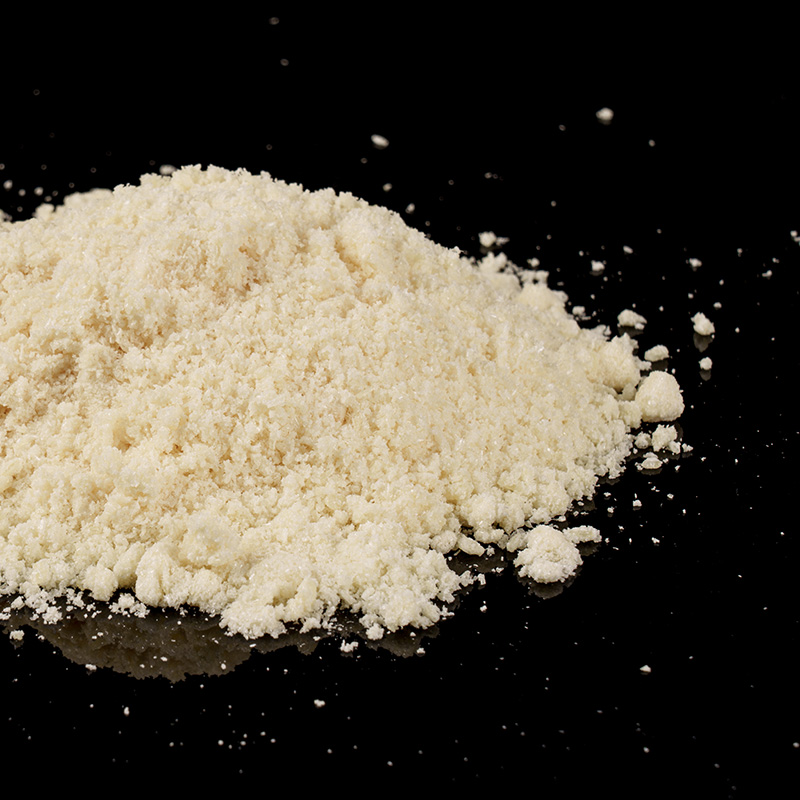
Green Chemistry — Materials Science
A closer look at the catalytic transformation turning a humble sugar-derived molecule into one of the most consequential building blocks in bio-based materials — and why the details of this reaction matter far beyond the laboratory bench.
Hydroxymethylfurfural (HMF) is converted into 2,5-furandicarboxylic acid (FDCA) through a catalytic oxidation reaction that transforms both the aldehyde group and the hydroxymethyl group of the furan ring into carboxylic acid groups. The process typically requires a metal-based catalyst, an oxidizing agent such as molecular oxygen or air, and carefully controlled temperature and pressure conditions. The reaction rarely happens in a single leap. Instead, it proceeds through intermediate compounds — most commonly 5-formyl-2-furancarboxylic acid (FFCA) or 2,5-diformylfuran (DFF) — before arriving at the fully oxidized FDCA molecule.
This conversion pathway is one of the most closely studied transformations in green chemistry, because it turns a biomass-derived platform molecule into a monomer capable of replacing petroleum-based terephthalic acid in polyester production. Understanding it matters because 5 hydroxymethylfurfural, often shortened to 5 HMF, sits at the very center of bio-based chemical manufacturing. Its oxidation to FDCA is not one reaction but a sequence of oxidation events, each demanding its own catalytic conditions to proceed with efficiency and selectivity.
Info
Hydroxymethyl furfural is produced through the acid-catalyzed dehydration of fructose or glucose, making it one of the most accessible platform chemicals derived directly from renewable biomass.
The molecular structure of hydroxymethylfurfural contains two reactive sites: an aldehyde group and a primary alcohol, or hydroxymethyl, group, both attached to a furan ring. Converting HMF to FDCA requires oxidizing both of these groups into carboxylic acids — a transformation that unfolds gradually, through identifiable intermediate stages.
Hydroxymethylfurfural (HMF)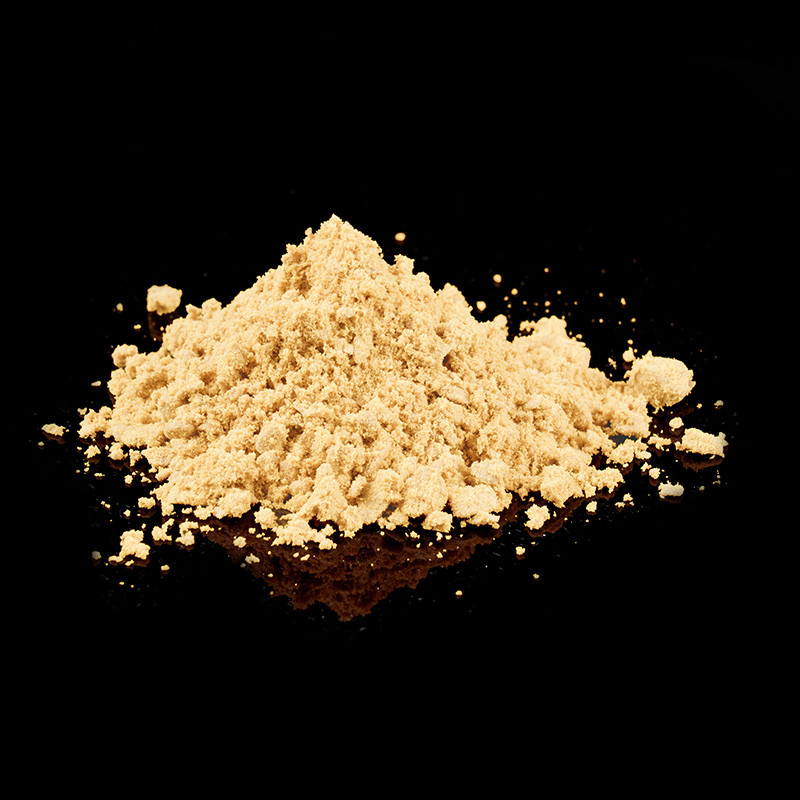
In one common pathway, the hydroxymethyl group is oxidized first, forming 2,5-diformylfuran (DFF). This intermediate retains the original aldehyde group while converting the alcohol into a second aldehyde, effectively doubling the ring's oxidative potential.
Both aldehyde groups are subsequently oxidized into carboxylic acids. Alternatively, in a second common pathway, the original aldehyde group of HMF is oxidized first, forming 5-hydroxymethyl-2-furancarboxylic acid (HFCA), followed by oxidation of the remaining alcohol group into FFCA, and finally into FDCA.
Regardless of which intermediate pathway dominates, the destination is identical: a dicarboxylic acid with two acid groups positioned at the 2 and 5 positions of the furan ring — the molecule the industry has learned to call FDCA.
The selectivity toward one pathway over another largely depends on the catalyst system in use, the reaction medium, and the specific oxidant selected — variables that researchers continue to fine-tune in pursuit of higher yields and cleaner conversions.
Catalyst choice is the single most important factor determining the yield, selectivity, and cost-effectiveness of converting hydroxymethylfurfural into FDCA. Researchers and manufacturers generally rely on three broad categories of catalysts, each with its own trade-offs.
Cobalt, manganese, and bromide-based catalyst systems — similar to those used industrially to oxidize para-xylene into terephthalic acid — have been adapted for HMF oxidation. These systems can achieve high conversion rates, but they often require corrosive bromide additives, which raises equipment and safety concerns at scale.
Caution
Bromide-assisted catalyst systems are corrosive to standard processing equipment and require specialized, resistant reactor materials — a factor that meaningfully affects capital cost.
Platinum, gold, and palladium catalysts supported on carbon or metal oxide supports are widely favored because they enable oxidation under milder, base-assisted aqueous conditions. Gold-based catalysts, in particular, have demonstrated FDCA yields exceeding 99% under optimized conditions in numerous laboratory studies, making them attractive for scale-up despite their higher material cost.
Notable Result
Gold catalysts supported on titanium dioxide or cerium oxide have repeatedly achieved near-quantitative FDCA yields — among the highest reported for any HMF oxidation pathway.
Enzymatic oxidation using engineered oxidase enzymes or whole-cell microbial systems offers a lower-temperature, environmentally gentler alternative. While biocatalytic routes are still maturing toward industrial scale, they align closely with the broader ambition of producing FDCA through renewable, low-energy processes rather than energy-intensive thermal ones.
The table below summarizes typical reaction conditions and reported yields for the major catalytic approaches used to convert 5 HMF into FDCA. These figures, drawn from widely cited process studies, illustrate the trade-offs between catalyst cost, reaction severity, and product yield.
| Catalyst System | Oxidant | Temperature Range | Typical FDCA Yield |
|---|---|---|---|
| Co/Mn/Br (homogeneous) | Air or O₂ | 80–140°C | 60–90% |
| Pt/C (heterogeneous) | O₂, base-assisted | 60–100°C | 85–95% |
| Au/TiO₂ or Au/CeO₂ | O₂, base-assisted | 60–95°C | 95–99% |
| Enzymatic (oxidase-based) | O₂ (mild) | 25–40°C | 70–90% |
As the table shows, noble metal catalysts generally achieve the highest yields at the mildest temperatures, while homogeneous bromide systems demand more forcing conditions but rely on lower-cost catalyst materials. Enzymatic routes operate under the gentlest conditions of all, reflecting their potential for lower energy consumption — though yields still trail behind the strongest heterogeneous systems.
FDCA is widely regarded as one of the most promising bio-based replacements for terephthalic acid, the petroleum-derived building block of polyethylene terephthalate (PET). When polymerized with ethylene glycol, FDCA forms polyethylene furanoate (PEF) — a polyester with several distinct performance advantages.
This is precisely why hydroxymethyl furfural has attracted sustained industrial interest: it functions as the critical intermediate connecting renewable biomass sugars to a commercially relevant plastic monomer. Converting agricultural byproducts or dedicated sugar crops into hydroxymethylfurfural — and subsequently into FDCA — offers a genuine pathway toward reducing dependence on petrochemical feedstocks for packaging, textiles, and films.
Despite encouraging laboratory results, several obstacles continue to limit the industrial-scale conversion of HMF into FDCA.
Producing high-purity 5 HMF from fructose or glucose remains expensive, and impurities carried over from the dehydration step can poison downstream oxidation catalysts, reducing both yield and catalyst lifespan.
Watch For
Trace impurities from the sugar dehydration stage — humins and other degradation byproducts — are among the leading causes of reduced catalyst performance in downstream oxidation.
Noble metal catalysts such as gold and platinum deliver excellent yields but carry substantial material costs. Efficient catalyst recovery and reuse systems are essential to make these processes economically viable at meaningful scale.
FDCA has limited solubility in many common solvents, which complicates downstream purification and can add significant processing steps and energy costs before the final polymer-grade product is achieved.
A generalized industrial or laboratory process for converting hydroxymethylfurfural into FDCA typically follows this sequence:
This stepwise approach reflects how most reported studies and pilot-scale operations manage the transformation, balancing conversion efficiency against energy input and catalyst preservation.
Ongoing research aims to narrow the cost gap between FDCA and conventional terephthalic acid. Current efforts include developing cheaper non-noble-metal catalysts that still achieve high selectivity, refining one-pot processes that convert raw sugars directly into FDCA without isolating hydroxymethylfurfural as a separate intermediate, and improving enzymatic pathways for lower-energy operation.
As these technologies mature, the conversion of hydroxymethylfurfural into FDCA is expected to become increasingly cost-competitive, supporting broader adoption of bio-based polyesters across packaging, textile, and film industries. For manufacturers and researchers evaluating this pathway, the choice of catalyst system, oxidant, and purification strategy remains the central variable determining both yield and overall process economics.
In Summary
The path from hydroxymethylfurfural to FDCA is a story of incremental oxidation — alcohol to aldehyde, aldehyde to acid — guided by catalysts ranging from industrial bromide systems to precision-engineered gold nanoparticles and, increasingly, enzymes. Each route trades cost against yield, temperature against selectivity. As catalyst design and feedstock purification continue to advance, this once-laboratory transformation is steadily becoming the economic backbone of a new generation of renewable, plant-derived materials.

Copyright© Zhejiang Sugar Energy Technology Co., Ltd. All Rights Reserved.
 Custom Biobased Polymer Manufacturers
 英语
英语 中文简体
中文简体