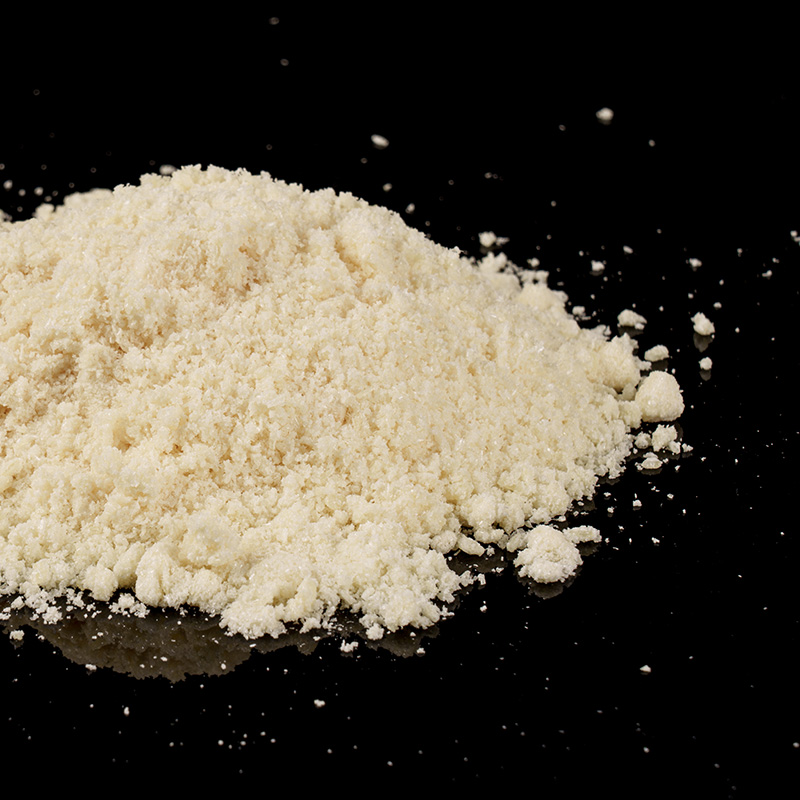
When comparing Poly (ethylene 2,5-furandicarboxylate) (PEF) with Polycarbonate (PC), the answer depends on which performance characteristic is most important. Polycarbonate (PC) generally provides superior impact resistance, making it one of the toughest transparent engineering plastics available. In contrast, Poly (ethylene 2,5-furandicarboxylate) (PEF) offers excellent transparency combined with outstanding gas-barrier properties, making it particularly attractive for sustainable packaging applications.
For applications requiring maximum toughness, repeated impact durability, or structural strength, PC is typically the preferred material. However, for packaging applications such as a PEF polyester bottle, where transparency, sustainability, and product preservation are critical, PEF offers significant advantages. While both materials can achieve high optical clarity, their performance profiles differ substantially in mechanical behavior and end-use suitability.
Poly (ethylene 2,5-furandicarboxylate) (PEF) is a polyester derived from renewable feedstocks and is increasingly recognized as a potential alternative to conventional packaging materials. Its molecular structure provides excellent barrier performance against oxygen and carbon dioxide while maintaining high transparency.
Polycarbonate (PC), on the other hand, is a high-performance engineering thermoplastic widely used in safety equipment, transparent panels, automotive components, and durable consumer products. It is known for its remarkable toughness and ability to withstand severe impacts without fracturing.
These different design objectives explain why PEF and PC perform differently when transparency and impact resistance are evaluated side by side.
| Property | PEF | PC |
|---|---|---|
| Transparency | Excellent | Excellent |
| Impact Resistance | Moderate to Good | Very High |
| Gas Barrier Performance | Excellent | Limited |
| Packaging Suitability | Excellent | Moderate |
| Structural Applications | Limited | Excellent |
PEF demonstrates excellent optical transparency that makes it suitable for beverage, food, and consumer packaging. Consumers often associate clear packaging with freshness and product quality. A PEF polyester bottle can maintain attractive product visibility while delivering superior barrier performance.
Polycarbonate is also highly transparent and is frequently used as a substitute for glass in demanding environments. Light transmission values for PC can exceed 85% to 90%, depending on grade and processing conditions. This combination of clarity and toughness explains its widespread use in protective transparent structures.
In practical applications, both materials provide excellent transparency. The difference is often negligible to end users. Therefore, transparency alone is rarely the deciding factor. Instead, designers typically evaluate impact resistance, sustainability, weight, processing requirements, and end-use performance.
One of the defining characteristics of PC is its extraordinary impact resistance. Polycarbonate can absorb substantial mechanical energy before failure. In many engineering applications, it remains intact even after repeated impacts that would crack or shatter other transparent polymers.
PC is widely recognized as one of the strongest transparent thermoplastics available. This makes it ideal for demanding environments where accidental drops, collisions, or mechanical abuse are expected.
PEF offers respectable toughness for packaging applications but is not designed to compete directly with engineering plastics such as PC. Its impact performance is generally sufficient for bottles, containers, and lightweight packaging structures. A properly designed PEF polyester bottle can withstand normal transportation, handling, and retail distribution conditions.
However, in situations involving high-energy impacts, structural loads, or long-term mechanical stress, PC typically maintains a clear advantage.
Packaging manufacturers increasingly evaluate materials not only by mechanical performance but also by sustainability, product protection, and lifecycle considerations. This is where PEF becomes particularly attractive.
These benefits allow a PEF polyester bottle to extend product shelf life while maintaining attractive visual presentation. In contrast, PC is rarely selected specifically for beverage packaging because its exceptional impact resistance exceeds the requirements of most packaging applications.
Sustainability has become a major factor in material selection decisions. Poly (ethylene 2,5-furandicarboxylate) (PEF) has attracted considerable attention because it can be produced from renewable resources. This characteristic supports efforts to reduce dependence on fossil-based raw materials.
In addition, the superior barrier performance of PEF can contribute to reduced food and beverage waste by helping products maintain freshness for longer periods. For many packaging applications, these benefits may outweigh the lower impact resistance compared with PC.
PC remains highly valuable in applications requiring long service life and exceptional durability. However, sustainability discussions often favor materials that support renewable sourcing and efficient packaging performance.
Poly (ethylene 2,5-furandicarboxylate) (PEF) and Polycarbonate (PC) are both transparent polymers, but they serve different market needs. PC is the clear leader in impact resistance and mechanical toughness, making it suitable for demanding engineering applications. PEF delivers excellent transparency, strong barrier properties, and promising sustainability benefits, making it particularly attractive for advanced packaging solutions.
For a packaging designer evaluating a PEF polyester bottle, transparency is already competitive with PC, while barrier performance and environmental advantages may provide additional value. For applications where impact resistance is the primary concern, PC remains the stronger choice. Ultimately, the best material depends on whether the application prioritizes packaging efficiency and sustainability or extreme mechanical durability.

Copyright© Zhejiang Sugar Energy Technology Co., Ltd. All Rights Reserved.
 Custom Biobased Polymer Manufacturers
 英语
英语 中文简体
中文简体