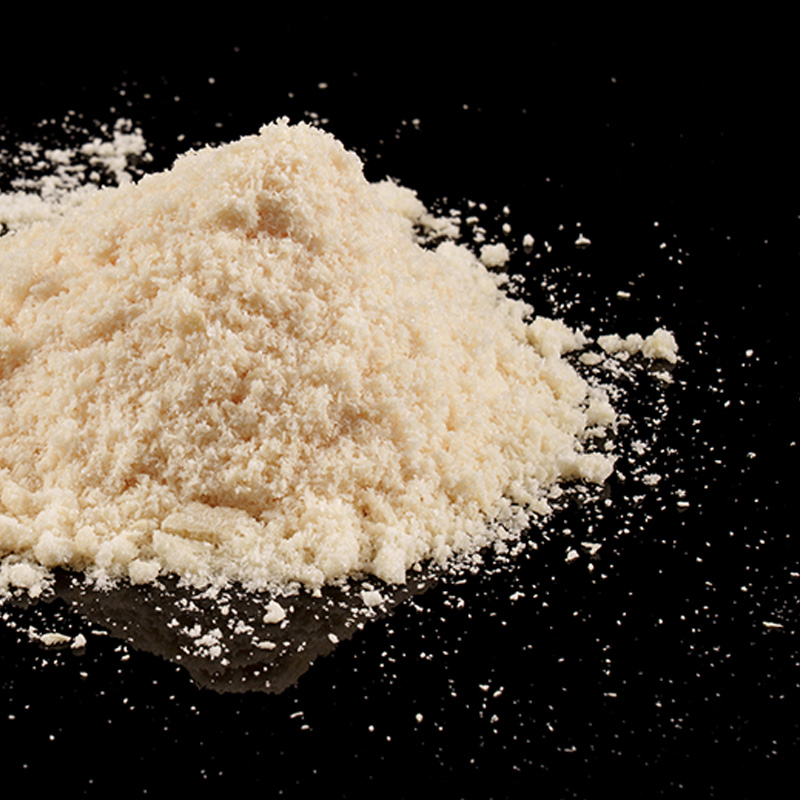
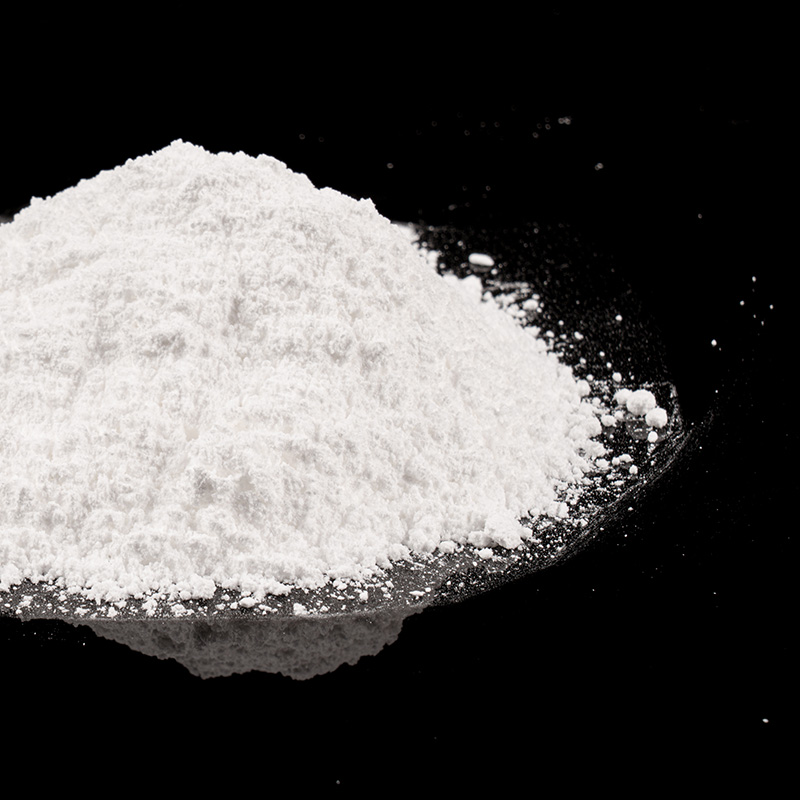
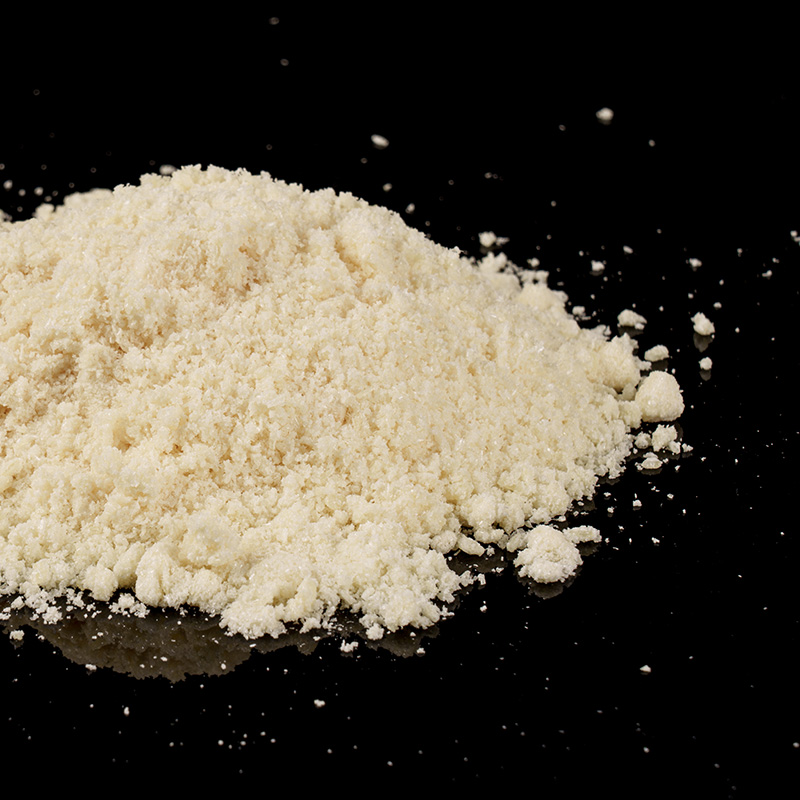
5-HMF is primarily formed during the thermal degradation of sugars, especially fructose and glucose, when exposed to high heat. This degradation is commonly observed in processes such as roasting, baking, frying, and pasteurization, which are frequent in food preparation and manufacturing. The high temperatures involved in these processes cause sugar molecules to break down and react with themselves or other components in the food, leading to the formation of intermediate compounds like 5-HMF. The specific temperature and duration of heating significantly affect the amount of 5-HMF produced. Therefore, the presence of 5-HMF in processed foods serves as a marker of how the product has been treated thermally, with different food types exhibiting varying levels of 5-HMF depending on their sugar composition and processing conditions.
Caramelization is the process in which sugars undergo heat-induced transformation, leading to the development of distinct flavors, colors, and aromas in food. This is particularly common in the preparation of products like caramel, roasted nuts, baked goods, and even roasted coffee beans. During caramelization, sugars like fructose and glucose break down, undergo dehydration, and undergo complex reactions that result in new compounds, including 5-HMF. This intermediate product is key to the caramelization process as it contributes to the formation of the rich, toasty flavors typical of caramelized products. The presence of 5-HMF during caramelization enhances the depth of flavor, adding complexity and a slightly sweet, nutty profile. 5-HMF plays a crucial role in the formation of the amber-brown color seen in caramelized products, as it is one of the key compounds responsible for this coloration.
Browning reactions in food can occur through two primary pathways: the Maillard reaction and caramelization. The Maillard reaction involves a reaction between reducing sugars (like glucose or fructose) and amino acids, while caramelization primarily involves sugar degradation at high temperatures. While 5-HMF is more associated with caramelization, it also plays a secondary role in the Maillard reaction. In the context of browning, 5-HMF contributes to the flavor profile by adding a range of complex, sometimes bitter, woody, or sweet notes depending on its concentration. This is particularly noticeable in food products that undergo extensive heating, such as baked bread, roasted meats, or coffee. In moderate concentrations, 5-HMF adds desirable complexity and a subtle sweetness to the final flavor, while excessive amounts may result in bitterness, which can negatively affect taste. The balance of these reactions is critical for achieving the desired flavor and color in many culinary products.
The aromatic compounds produced during the caramelization process, in which 5-HMF is a key intermediate, are largely responsible for the pleasant smells that characterize many cooked and processed foods. These aromas are often described as rich, caramel-like, nutty, and toasty, all of which are attractive to consumers. As 5-HMF is formed, it contributes to this aromatic complexity, enhancing the sensory appeal of products such as caramel, baked goods, coffee, and roasted nuts. However, 5-HMF is also responsible for imparting a slightly bitter or sharp taste when formed in excessive quantities, particularly when food is exposed to prolonged or high-temperature cooking. This makes the careful control of cooking time and temperature essential in industrial food production, as it helps maintain the optimal balance between the desirable sweet, caramel-like flavors and the undesirable bitterness that can arise from excessive 5-HMF.

Copyright© Zhejiang Sugar Energy Technology Co., Ltd. All Rights Reserved.
 Custom Biobased Polymer Manufacturers
 英语
英语 中文简体
中文简体