Industrial Production Routes and Commercial Viability
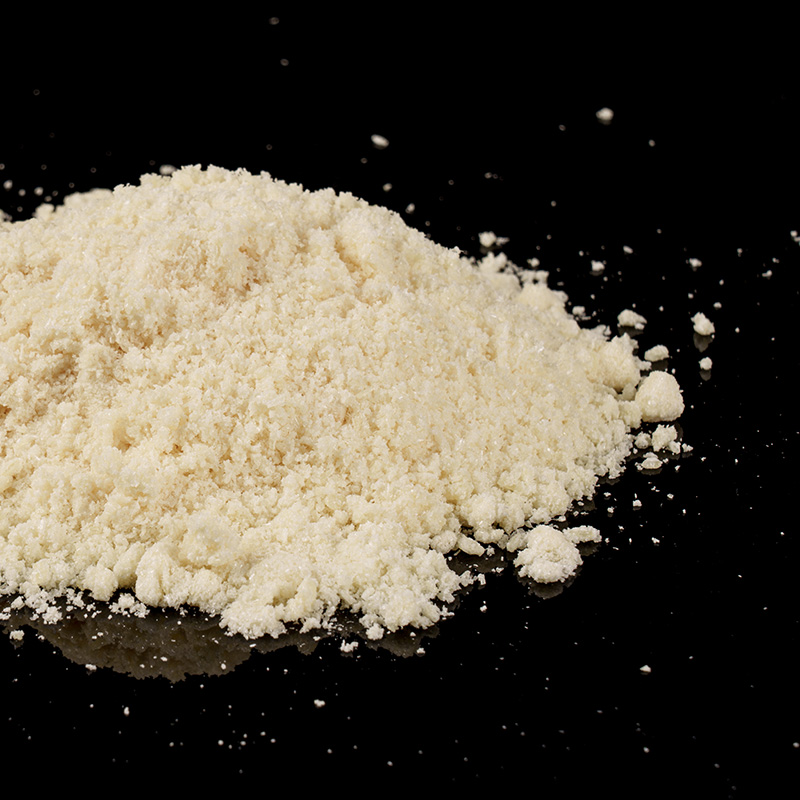
The production of 2,5-Furandicarboxylic acid (FDCA) has transitioned from laboratory-scale synthesis to pilot and full industrial-scale manufacturing, demonstrating the feasibility of commercial applications. The most established method relies on the catalytic oxidation of 5-hydroxymethylfurfural (HMF), a platform chemical derived from renewable carbohydrates such as fructose or glucose. Companies like Avantium have successfully implemented continuous-flow processes, producing several kilotonnes per year of FDCA, which highlights that industrial throughput is achievable. This transition from batch to continuous production has been critical in scaling the process because continuous reactors enable consistent product quality, higher conversion rates, and reduced downtime, all essential for cost-effective industrial operations. The availability of such commercial-scale facilities demonstrates that FDCA production is not only technically feasible but increasingly economically viable.
Catalyst Systems and Reaction Efficiency
Scaling FDCA production relies heavily on the development of efficient and durable catalysts. Optimized catalytic systems allow for high conversion rates of HMF to FDCA under continuous flow conditions while maintaining high selectivity and minimizing by-products. Industrial scalability requires catalysts capable of operating at high HMF concentrations and under extended operational periods without deactivation. Advances in heterogeneous and homogeneous catalytic systems have shown promising results, with continuous flow reactors achieving selectivity above 95%. Efficient catalysts directly influence the overall throughput and economics of the process, making them a critical factor in scaling FDCA production for high-volume industrial use.
Reactor Design and Process Optimization
Reactor configuration is another key determinant of scalability. Packed-bed and continuous stirred-tank reactors have been explored for FDCA production, offering improved mass transfer, heat management, and operational stability compared to conventional batch processes. Industrial-scale reactors must balance reaction kinetics with thermal control and catalyst lifetime to achieve consistent product quality. Continuous processes reduce the frequency of start-up and shutdown events, lowering maintenance costs and downtime. Proper reactor design ensures that the FDCA production process can be scaled up without sacrificing efficiency, yield, or product purity, which are critical for applications in polymer manufacturing and other downstream industries.
Feedstock Supply and Sustainability Considerations
The scalable FDCA production process requires reliable and consistent feedstock availability. HMF, the precursor to FDCA, is typically derived from biomass sources, including fructose, glucose, and other carbohydrate-rich feedstocks. Variability in feedstock composition and quality can affect reaction efficiency, product yield, and catalyst lifespan. Establishing robust supply chains for biomass-derived feedstocks is therefore essential for industrial scalability. Additionally, the renewable nature of these feedstocks aligns FDCA production with sustainability goals, providing a strong incentive for large-scale adoption in the bioplastics and green chemistry industries.
Economic and Operational Challenges
Despite successful scale-up demonstrations, industrial FDCA production faces ongoing economic and operational challenges. Cost-efficiency depends on the optimization of reaction conditions, catalyst longevity, reactor design, and downstream purification steps. Purification of FDCA to meet polymer-grade standards can be energy-intensive and may affect overall process economics. Scaling production to meet global demand requires careful planning of plant capacity, process integration, and regulatory compliance for safe handling and transport. Continuous research and development are required to reduce production costs, improve energy efficiency, and ensure that industrial-scale operations remain commercially competitive with petrochemical alternatives such as terephthalic acid.

Copyright© Zhejiang Sugar Energy Technology Co., Ltd. All Rights Reserved.
 Custom Biobased Polymer Manufacturers
 英语
英语 中文简体
中文简体