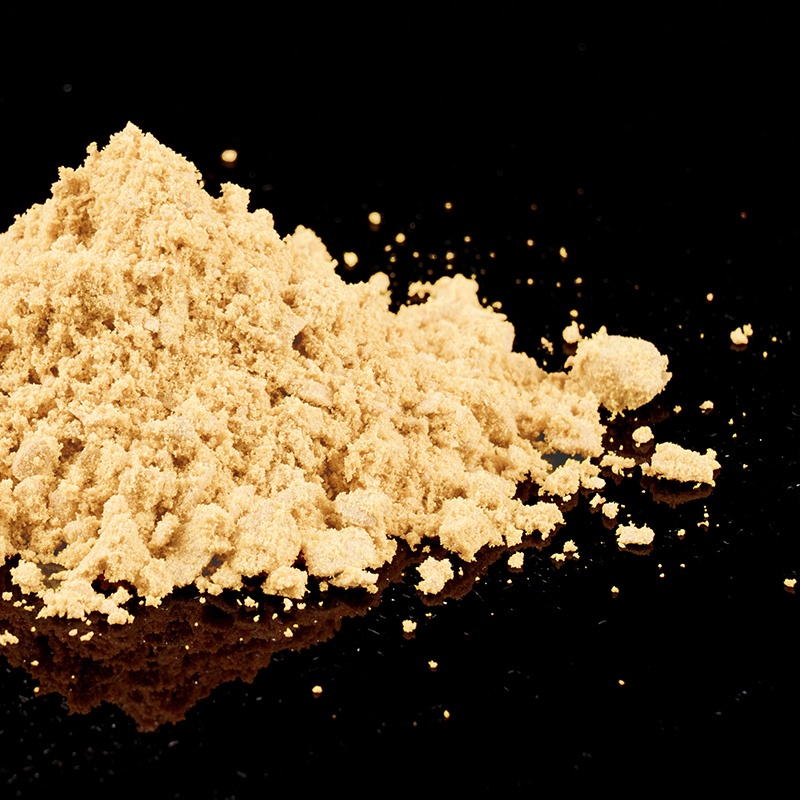
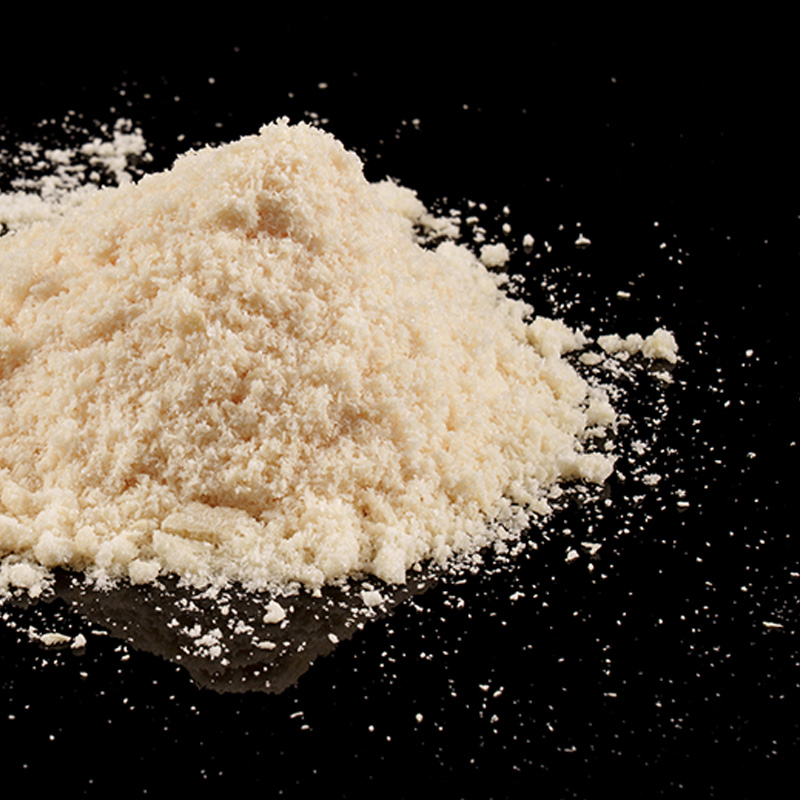
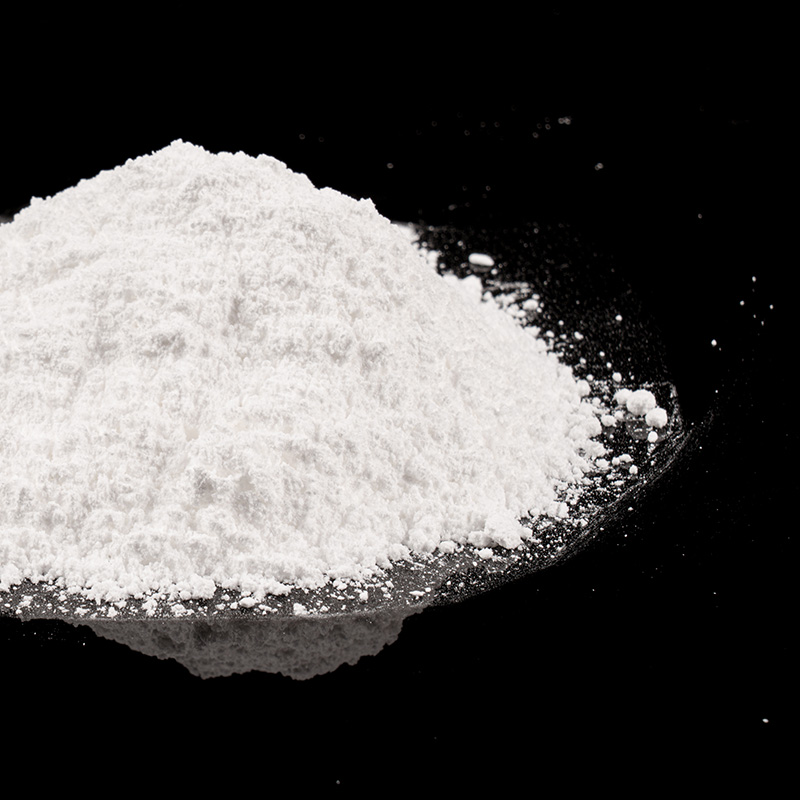
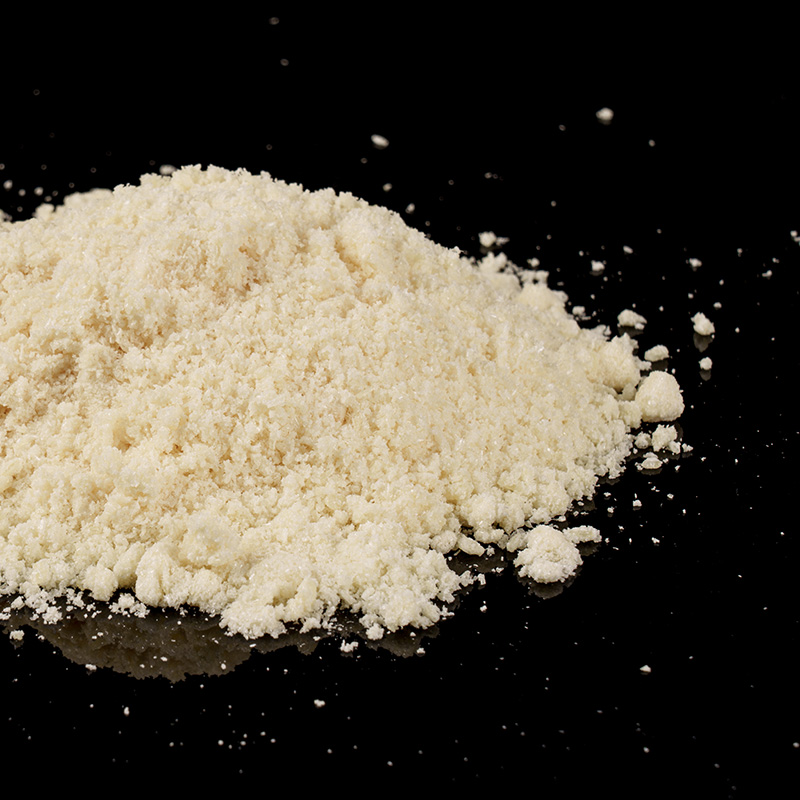
5-Hydroxymethylfurfural (HMF) is an organic compound that is widely regarded as a key intermediate in the conversion of biomass to high-value chemicals and biofuels. It is derived through the dehydration of simple sugars like glucose and fructose, typically under acidic conditions. HMF has a furan ring structure with a hydroxymethyl group (-CH2OH) attached to it, which gives it valuable chemical properties that make it suitable for a variety of industrial applications. HMF is often considered a platform chemical, meaning it can be converted into a range of other valuable chemicals, serving as a versatile building block for the bio-based economy.
One of the most significant industrial applications of 5-Hydroxymethylfurfural lies in the production of biofuels. When hydrogenated, HMF can be converted into 5-methylfurfural (5-MF) or 2,5-dimethylfuran (DMF). These are high-energy-density biofuels that offer a promising alternative to traditional petroleum-based fuels. DMF, in particular, has received attention due to its high calorific value, which is comparable to gasoline, making it an excellent candidate for use in internal combustion engines. The ability to produce biofuels from renewable biomass rather than fossil fuels makes HMF a critical component in efforts to reduce global dependence on oil, thereby supporting the transition to a more sustainable and eco-friendly energy landscape.
HMF plays a pivotal role as a platform chemical in the conversion of biomass into a variety of high-value products. As a precursor to several important chemicals, it forms the backbone of bio-based chemical production. Through further processing, HMF can be converted into 2,5-furandicarboxylic acid (FDCA), which is a crucial building block for bio-based plastics like polyethylene furanoate (PEF). PEF is considered a superior alternative to PET (polyethylene terephthalate), a commonly used plastic in packaging. Unlike PET, PEF is derived from renewable biomass, offers superior mechanical and barrier properties, and has a lower carbon footprint, making it an attractive material for sustainable packaging solutions.
One of the most promising uses of 5-Hydroxymethylfurfural is in the production of 2,5-furandicarboxylic acid (FDCA), which is widely regarded as a sustainable alternative to terephthalic acid (PTA) in the production of bioplastics. FDCA is polymerized with ethylene glycol to form PEF, a polyester that exhibits enhanced performance compared to PET. PEF has superior barrier properties against gases like oxygen and carbon dioxide, making it particularly suitable for applications in the food and beverage packaging industries, as well as for textile fibers. PEF is biodegradable and recyclable, contributing to the circular economy by offering a more sustainable option than conventional, petroleum-based plastics.
Beyond biofuels and plastics, HMF also plays a role in the synthesis of a range of valuable chemicals and pharmaceutical intermediates. It is a precursor to levulinic acid, which can be further processed into a variety of chemicals used in pharmaceuticals, pesticides, and bioplastics. Levulinic acid is also used as a green solvent in various chemical reactions, offering a more sustainable alternative to traditional organic solvents. Furthermore, HMF is used to synthesize several aromatic compounds that are used in the flavoring industry, contributing to the production of chemicals used in the fragrance and food sectors.
The unique chemical structure of HMF gives it solvent properties, allowing it to be used as a solvent in various industrial applications. Its ability to dissolve a wide range of organic and inorganic materials makes it useful in chemical formulations, particularly in the production of lubricants, adhesives, and coatings. Additionally, HMF is sometimes utilized as a performance-enhancing additive in certain products due to its ability to improve characteristics like viscosity, solubility, and stability.
In the food industry, 5-Hydroxymethylfurfural is a naturally occurring compound that forms during the browning process in the Maillard reaction, which occurs when sugars and amino acids are heated together. This process gives foods like baked goods, roasted coffee, and caramelized products their characteristic flavor and aroma. Because of its sweet, caramel-like taste, HMF is sometimes intentionally added to certain products to enhance flavor, particularly in processed foods. However, while HMF contributes to the sensory profile of many food items, its levels are carefully controlled, as high concentrations may pose health risks. Regulatory agencies monitor the presence of HMF in food products, especially in those subjected to prolonged heating.
HMF is a vital element in green chemistry, as it offers a renewable alternative to many petroleum-derived chemicals. As a versatile intermediate, HMF is used to produce a wide range of bio-based chemicals, including solvents, polymers, and bioplastics. The ability to derive such a wide variety of products from a single bio-derived compound significantly reduces the dependence on fossil fuels and minimizes the environmental impact of chemical production. By supporting the bio-based economy, HMF plays a crucial role in shifting industries toward more sustainable, circular production processes.
The demand for 5-Hydroxymethylfurfural and its derivatives is expected to grow in the coming years, driven by the increasing interest in renewable energy sources and bio-based chemicals. Industries focused on sustainable packaging, biofuels, and green chemistry are actively exploring new applications for HMF. The compound’s ability to serve as a building block for a variety of high-performance chemicals positions it as a critical component of the transition to a more sustainable industrial framework.
In the near future, technological advancements aimed at improving the efficiency of HMF production will likely enhance its competitiveness. Research is ongoing to identify better catalysts, reaction conditions, and feedstocks for large-scale HMF synthesis. These innovations will help reduce production costs and expand the range of commercial applications for HMF in various industries, from packaging and fuel production to pharmaceuticals and agriculture.

Copyright© Zhejiang Sugar Energy Technology Co., Ltd. All Rights Reserved.
 Custom Biobased Polymer Manufacturers
 英语
英语 中文简体
中文简体