Known since 1780 and formally named 2-furoic acid, pyromucic acid sits at the crossing point of furfural chemistry, food-flavor research and the bio-based furan diacid platforms now entering industrial scale.
The short answer first: pyromucic acid is furan-2-carboxylic acid, the simplest carboxylic acid built on a furan ring — a white, crystalline, water-soluble solid with the formula C5H4O3. It matters today for three reasons. It remains a working fine-chemical intermediate for pharmaceutical and agrochemical synthesis. It is the reference compound for how furan rings behave under oxidation, including their tendency to ring-open. And it is the historical root of the furan acid family whose industrial flagship, 2,5-furandicarboxylic acid (FDCA), now anchors bio-based polymer programs worldwide.
“When Scheele subjected mucic acid to dry distillation in 1780 he obtained the first furan derivative, pyromucic acid — now known as furan-2-carboxylic acid.”— ScienceDirect Topics, overview of 2-furoic acid
The name tells its own history: “pyro” for the dry heat of the distillation, “mucic” for the parent acid, itself an oxidation product of milk sugar. Scheele’s experiment opened furan chemistry as a field, and the trivial name has never quite left the literature. It survives in catalogs, patents and index terms alongside its modern synonyms — which is why buyers still meet it on quotations and certificates.
Supplier documents may read 2-furoic acid, furan-2-carboxylic acid, 2-furancarboxylic acid or pyromucic acid. All four describe the same structure: a five-membered aromatic ring containing one oxygen, carrying a single carboxyl group at the 2-position. The position matters. The 3-carboxyl isomer is a different compound with different reactivity, so the locant on a specification sheet deserves a second look.
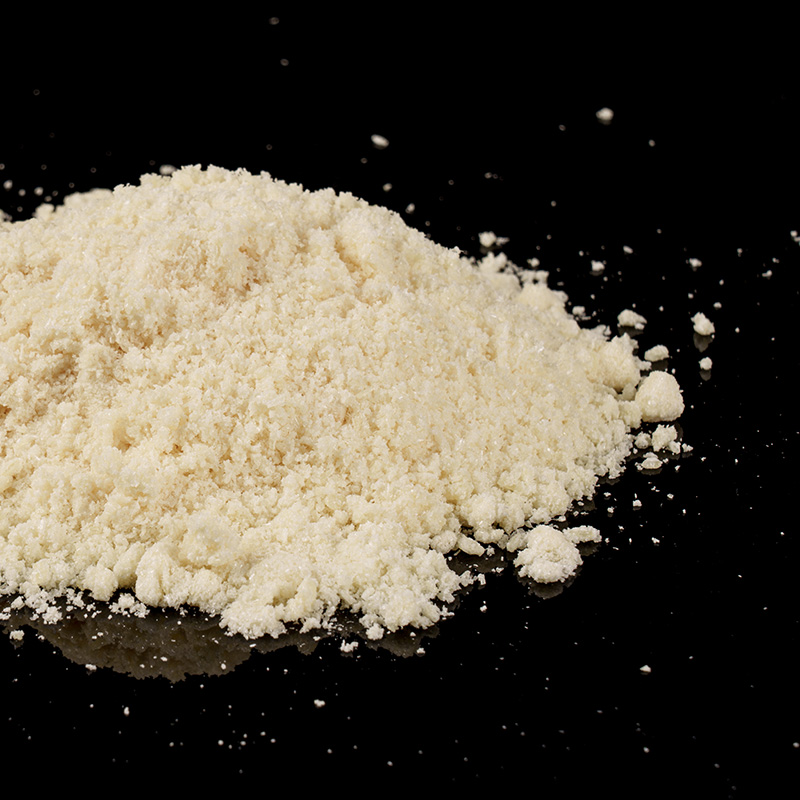
Physically, the compound is a white to pale beige crystalline solid melting around 133 °C, and it dissolves readily in water and alcohols. Two chemical features stand out. The carboxyl group is more acidic than in benzoic acid, with a pKa near 3, because the oxygen within the ring reshapes the electron balance of the molecule. The ring itself, electron-rich at its remaining positions, is far easier to oxidize than benzene — the property that defines both its useful chemistry and its handling behavior.
Info: pyromucic acid, 2-furoic acid and furan-2-carboxylic acid are the same compound under different names. Before comparing quotations, match CAS numbers and synonym lists on the certificate of analysis — legacy naming still causes mix-ups between grades and, occasionally, between isomers.
| Compound | Ring system | Carboxyl groups | Formula | Molar mass | Typical role |
|---|---|---|---|---|---|
| Pyromucic acid (2-furoic acid) | Aromatic furan | 1 | C5H4O3 | 112.08 g/mol | Fine-chemical intermediate; oxidation benchmark |
| 2,5-Furandicarboxylic acid (FDCA) | Aromatic furan | 2 | C6H4O5 | 156.09 g/mol | Polymer-grade monomer for PEF polyester |
| 2,5-Tetrahydrofuran dicarboxylic acid (THFDCA) | Saturated tetrahydrofuran | 2 | C6H8O5 | 160.13 g/mol | Hydrogenated furan diacid for downstream conversion |
For buyers benchmarking the diacid platforms against this parent molecule, the supply side is no longer theoretical:
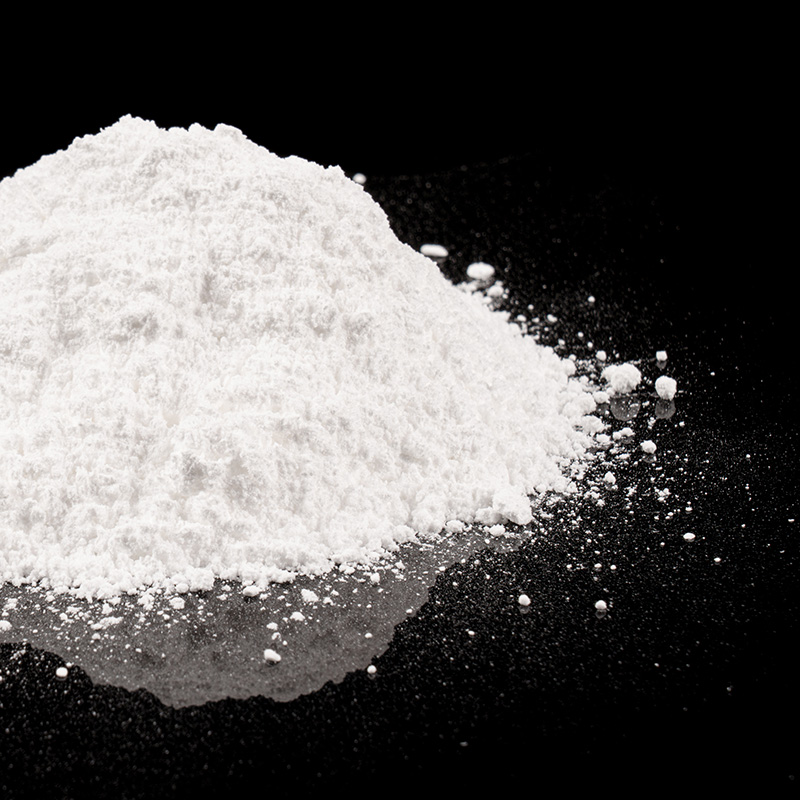 2,5-Furandicarboxylic Acid (FDCA)A rigid biobased aromatic diacid regarded as a PTA substitute, derived from HMF and listed by the U.S. DOE among top platform compounds. Buyers benchmarking diacid platforms against Scheele's parent furan molecule will find it a logical starting point.View Product →
Scheele’s dry distillation of mucic acid was never efficient enough to scale, and it gave mixtures rather than a clean product. Its importance lies in priority: every furan chemical sold today descends from that 1780 experiment. The route survives only as history.
Industry starts from furfural instead, which is itself produced from hemicellulose-rich residues such as corn cobs and sugarcane bagasse. Two routes dominate. The first is catalytic oxidation of furfural with air or oxygen over metal catalysts. The second is alkaline disproportionation, a Cannizzaro-type reaction that splits furfural into furoic acid and furfuryl alcohol — an attractive split where both products find buyers. Oxidation of furfuryl alcohol offers a third path. Either way the feedstock is renewable: pyromucic acid is bio-based by origin, not by marketing claim.
Danger: in warm, aerated water, furan acids do not stay intact. Research on pyromucic acid autoxidation shows molecular oxygen opening the furan ring to fragments such as β-formylacrylic acid and fumaric acid. The same sensitivity that enables selective oxidation punishes loose process control — unmanaged oxygen ingress, hot aqueous holds and poorly chosen catalysts all erode yield.
That lesson scales directly. Converting an aldehyde-bearing furan into a carboxylic acid without destroying the ring is exactly the challenge behind today’s HMF-to-FDCA processes, and a detailed walkthrough of the chemical oxidation route to FDCA shows how oxygen supply, catalyst selection and temperature are managed to add the second acid group while keeping the ring intact.
The aldehyde platform at the center of that chemistry is 5-hydroxymethylfurfural, the flagship molecule around which modern furan supply chains are organized:
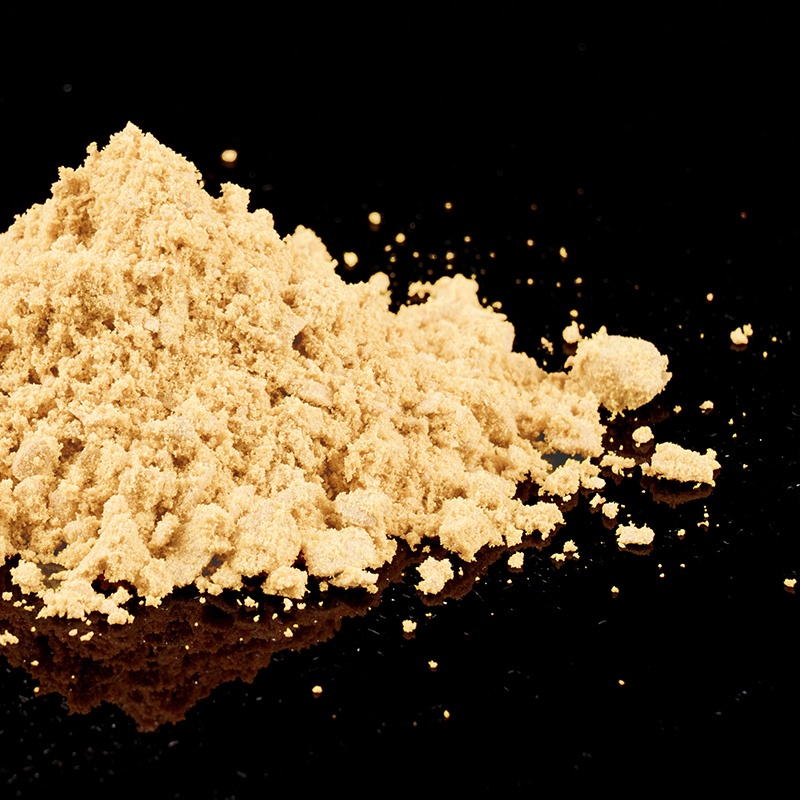 5-Hydroxymethylfurfural (HMF) from Furan Supply ChainsThe flagship furan aldehyde platform molecule, available at 98% industrial and 99.9% high purity grades. Its aldehyde and hydroxymethyl groups yield FDCA, FDM, and DFF, making it the central building block of modern furan chemistry.View Product →
Pyromucic acid is not a bulk commodity; its commercial life is that of a fine chemical. Its esters, amides and acyl chlorides are working building blocks in multi-step synthesis, and the furan ring appears in a long list of reported active-ingredient scaffolds. Beyond fine chemistry, three areas account for most current interest:
That third area matters to anyone running furan chemistry at scale: microbial ring-opening is the biological mirror of autoxidation, exploiting the same electron-rich ring that catalysts exploit. Engineers who understand one mechanism tend to grasp the other quickly.
Warning: store pyromucic acid cool, dry and sealed, away from strong oxidizers and strong bases. The realistic warehousing risks are discoloration and gradual assay loss under heat and humidity — avoidable with basic controls, expensive to discover after delivery.
The solid is classified as an irritant, so gloves, eye protection and dust control are standard practice. None of that is unusual for a carboxylic acid; the furan ring simply adds the oxidative sensitivity already described, which is why aqueous solutions should not be held warm and aerated for long periods.
For procurement teams, a short checklist keeps specifications comparable across suppliers:
One carboxyl group cannot build a polyester. That single structural fact explains the split fortunes of the furan acid family. Pyromucic acid stayed a fine-chemical workhorse, while 2,5-furandicarboxylic acid, with two carboxyl groups arranged much like those of terephthalic acid, became the monomer of choice for bio-based polymers such as PEF. The chemistry that succeeded in making furoic acid — selective oxidation of a furan aldehyde — is the same chemistry scaled up to produce FDCA from HMF.
Not every downstream molecule keeps the aromatic ring. Hydrogenation converts the furan nucleus into a saturated tetrahydrofuran ring, yielding diacids and diols with different flexibility and reactivity profiles. 2,5-Tetrahydrofuran dicarboxylic acid is the hydrogenated counterpart of FDCA and holds its own place in the platform-molecule portfolio:
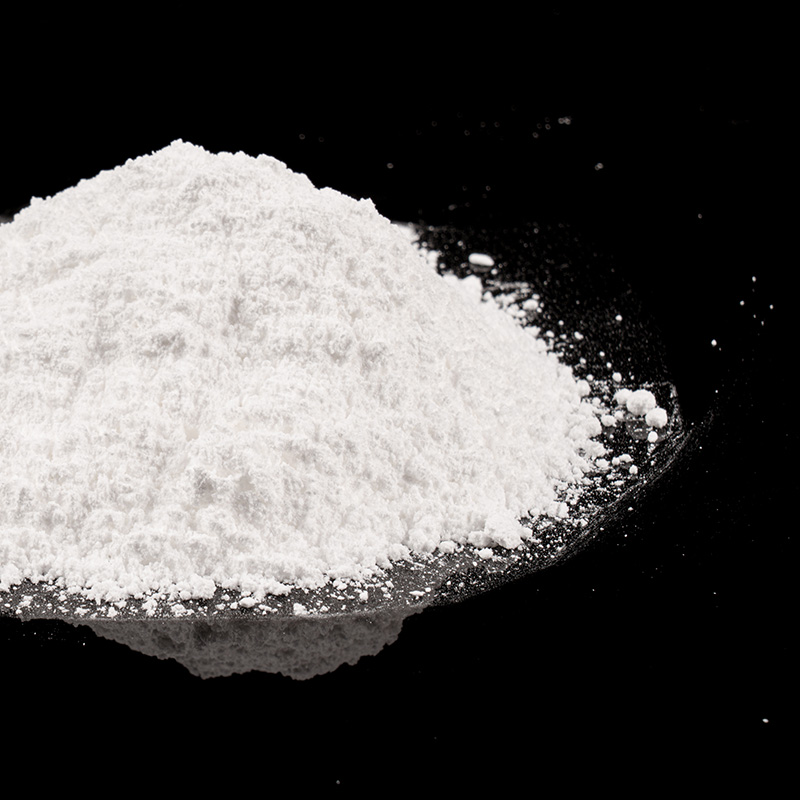 2,5-Tetrahydrofuran Dicarboxylic Acid (THFDCA)The hydrogenated counterpart of FDCA, produced by catalytic selective hydrogenation, offering a saturated ring with different flexibility. It serves as a biobased monomer for polyesters, polyamides, and polyurethanes as the platform moves toward industrial scale.View Product →
For a sense of how far the platform has moved, Zhejiang Sugar Energy Technology has completed verification work on a 100-ton FDCA production line — a marker of the transition from literature chemistry to scheduled industrial supply for furan diacids.
Success: furan platform molecules are now supplied at production scale rather than quoted from papers. For buyers, the conversation shifts from “is this chemistry possible” to “which grade, which volume, which delivery terms.”
Pyromucic acid is where the furan family begins: the first furan molecule ever isolated, still traded under its 1780 name, still useful as a fine-chemical intermediate, and still the clearest example of what makes furan rings both valuable and delicate. Its oxidation chemistry taught the industry how to add acid groups without breaking the ring — the exact skill behind FDCA and PEF today.
For anyone sourcing furan chemistry, the practical map is short. Furfural feeds furoic acid. HMF feeds FDCA and the wider furan platform. And the suppliers who mastered selective oxidation on the parent molecule are, in most cases, the ones now producing its diacid descendants at scale.

Copyright© Zhejiang Sugar Energy Technology Co., Ltd. All Rights Reserved.
 Custom Biobased Polymer Manufacturers
 英语
英语 中文简体
中文简体