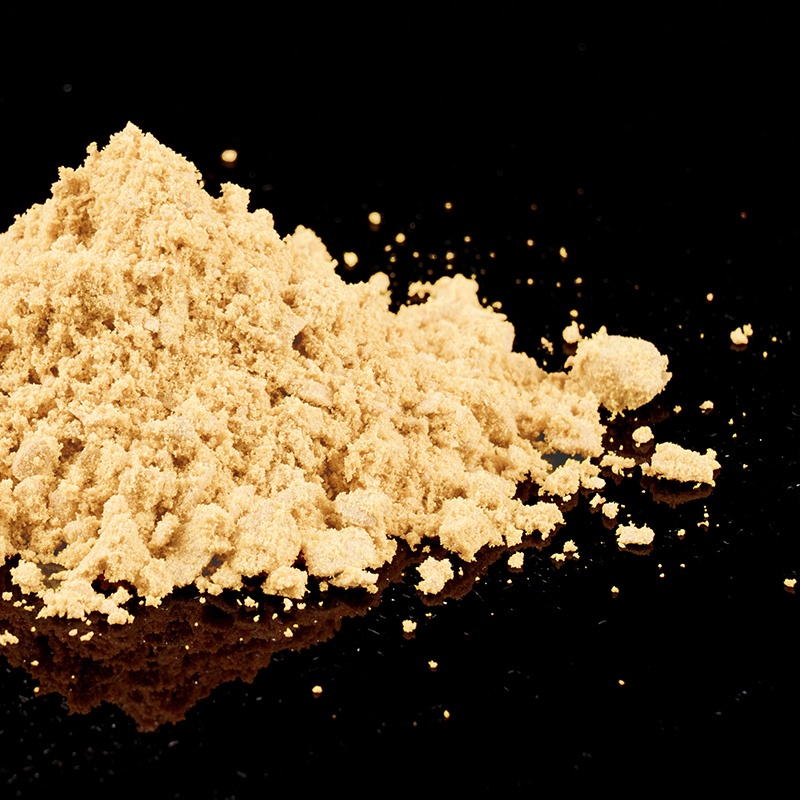
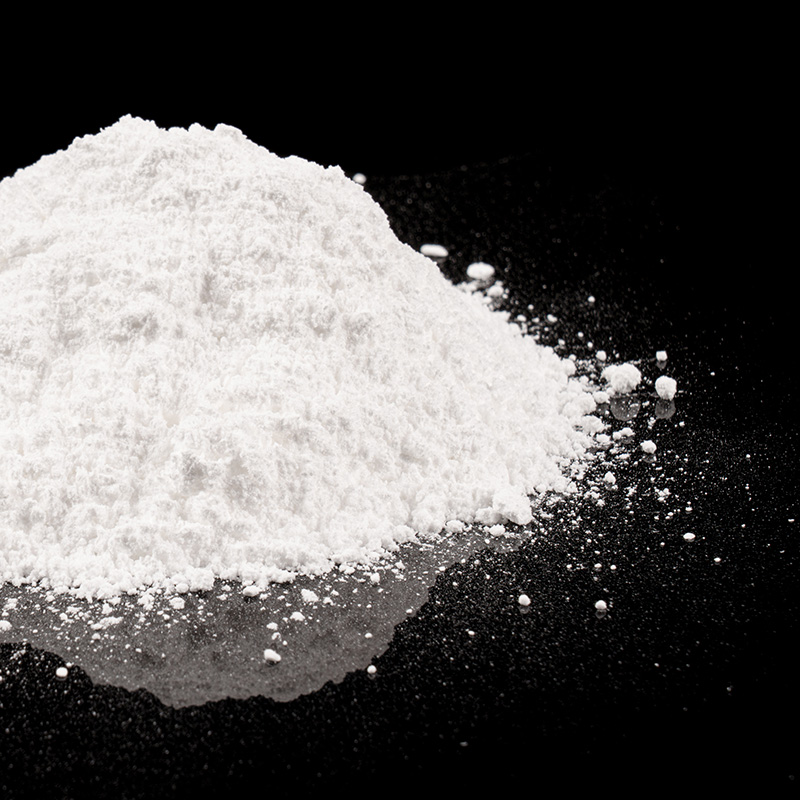
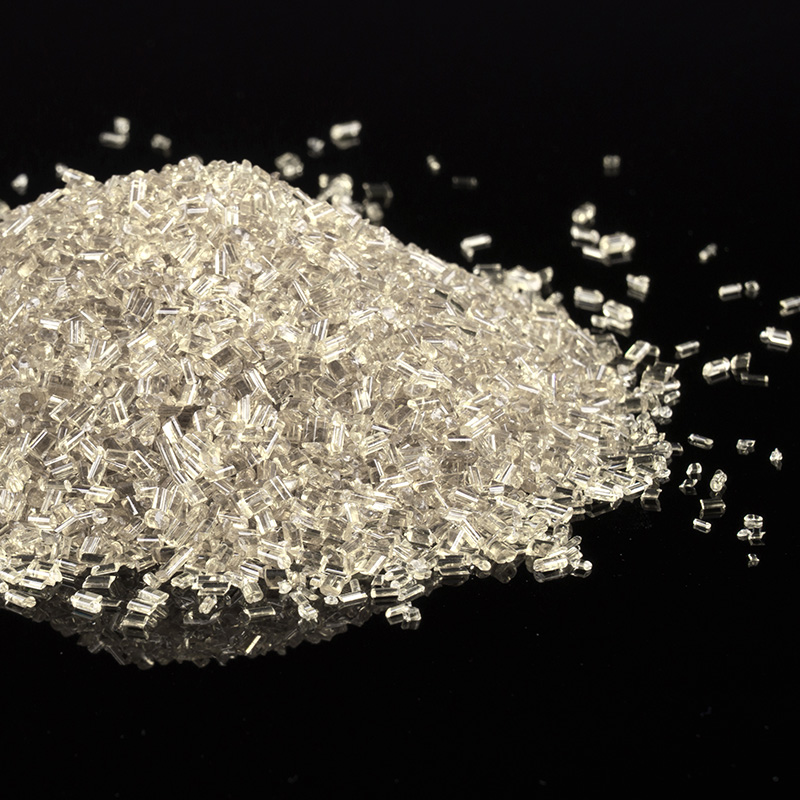
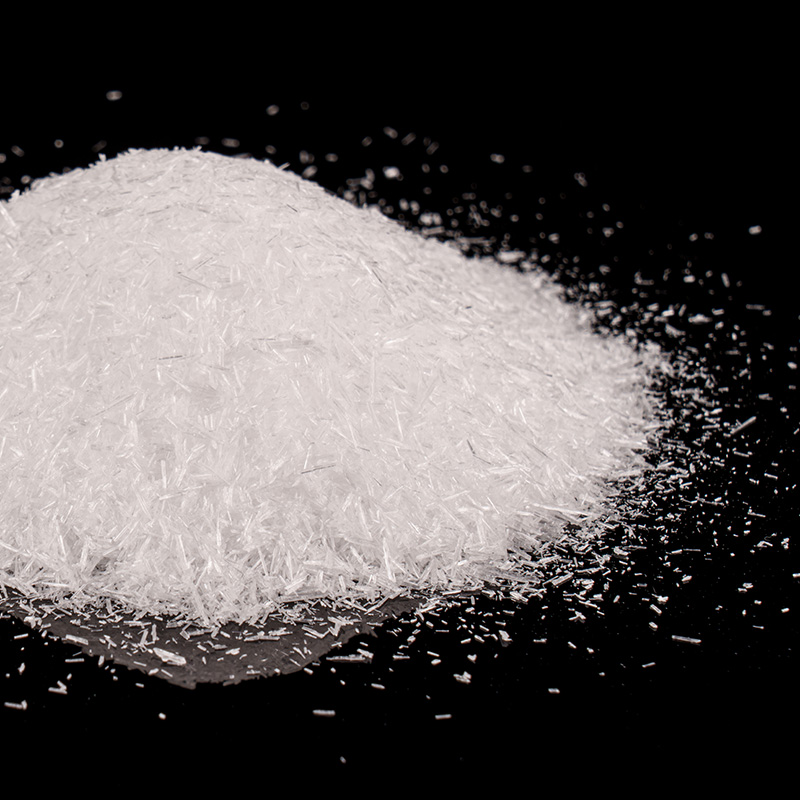
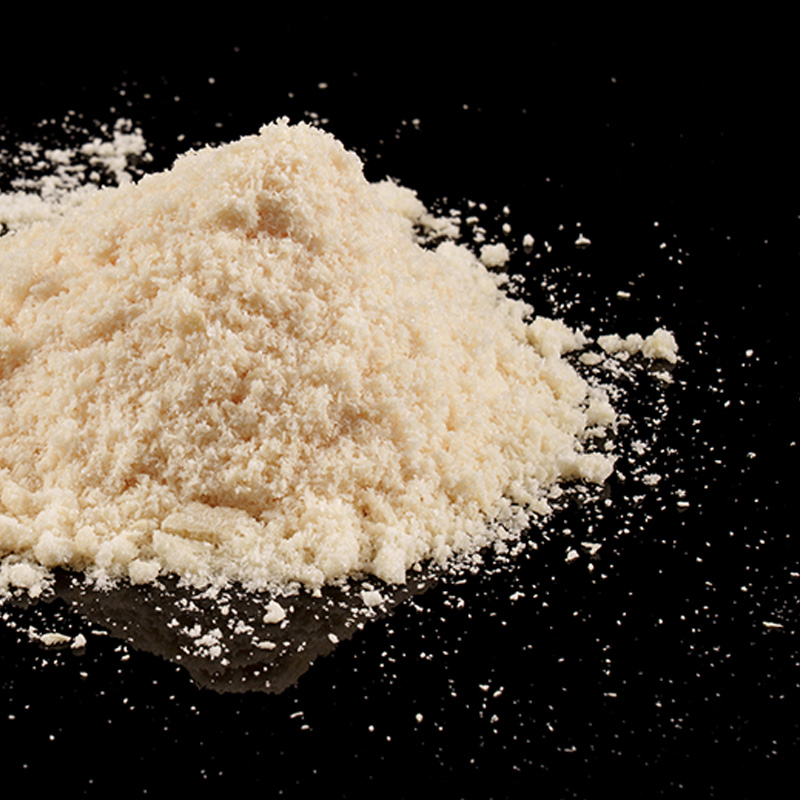
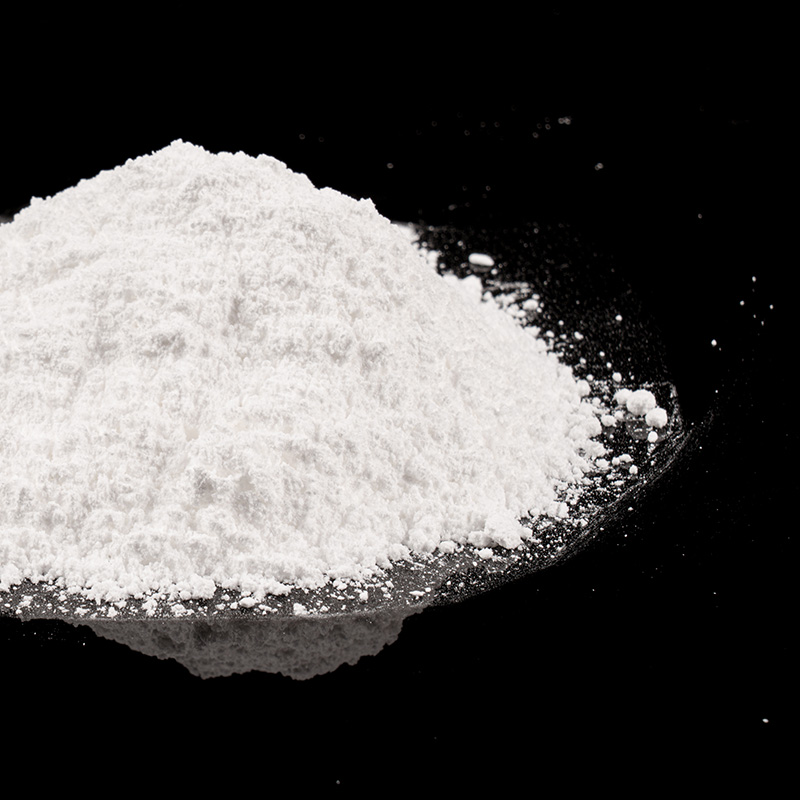
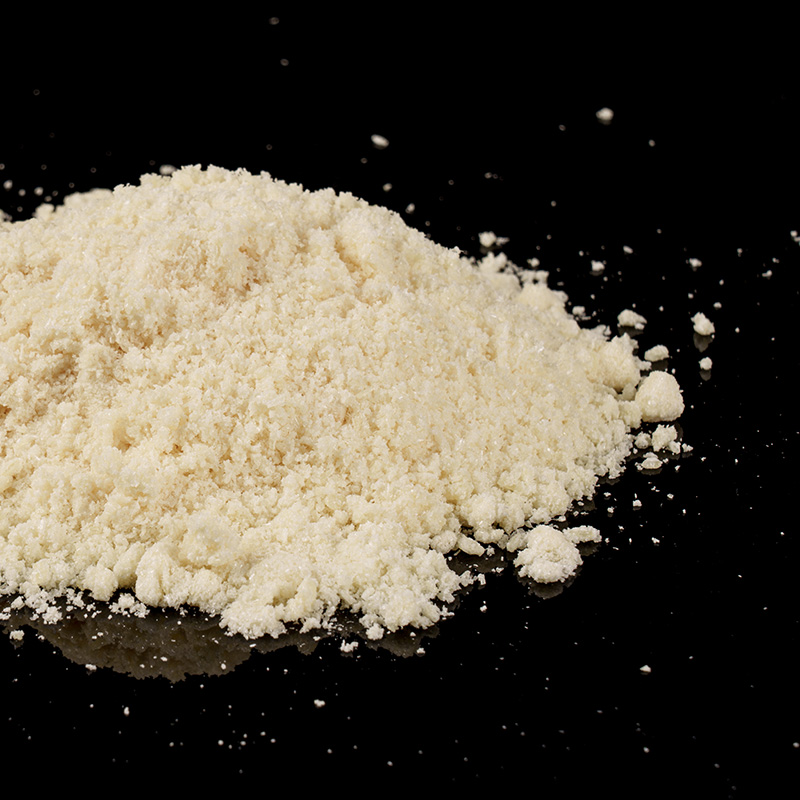
5-Hydroxymethylfurfural (5-HMF) generally exhibits lower thermal stability than simpler furan compounds such as furfural and furfuryl alcohol during long-term storage and high-temperature transport conditions. The presence of both aldehyde and hydroxymethyl functional groups makes 5 hydroxymethylfurfural hmf more reactive toward polymerization, oxidation, and degradation. Under elevated temperatures above 40°C, HMF can gradually darken, form insoluble humins, and lose purity if not stabilized properly.
Compared with other bio-based furan derivatives, 5 hydroxymethylfurfural hmf requires stricter storage conditions, including low moisture exposure, inert atmosphere packaging, and temperature-controlled transportation. However, despite these challenges, HMF remains one of the most valuable renewable platform chemicals because of its versatility in producing biofuels, polymers, solvents, and pharmaceutical intermediates.
The thermal behavior of 5 hydroxymethylfurfural hmf is strongly influenced by its molecular structure. HMF contains a furan ring with both an aldehyde group and a hydroxymethyl group. These reactive sites increase its sensitivity to heat, oxygen, acids, and moisture.
Laboratory studies have shown that HMF degradation accelerates significantly above 50°C. In some industrial samples, purity losses of 5% to 12% within several weeks have been observed under uncontrolled storage conditions. This behavior contrasts with furfural, which often maintains acceptable stability under moderate industrial temperatures.
Different furan compounds exhibit varying thermal stability depending on their molecular structure and industrial purity levels. The table below summarizes the relative thermal performance of commonly used furan derivatives.
| Compound | Thermal Stability | Major Risk During Storage | Recommended Storage Temperature |
|---|---|---|---|
| 5-Hydroxymethylfurfural | Moderate to low | Polymerization and oxidation | 2°C to 8°C |
| Furfural | Moderate | Oxidation | 10°C to 25°C |
| Furfuryl Alcohol | Moderate | Acid-catalyzed polymerization | 15°C to 25°C |
| 2,5-FDCA | High | Moisture absorption | Room temperature |
Among common furan intermediates, 5 hydroxymethylfurfural hmf is considered one of the more temperature-sensitive materials. Its instability mainly arises from the coexistence of reactive oxygen-containing functional groups within the same molecule.
Storage temperature directly affects the shelf life of 5 hydroxymethylfurfural hmf. Under refrigerated conditions, high-purity HMF can remain relatively stable for six to twelve months. However, when exposed to higher temperatures, degradation reactions accelerate rapidly.
Studies in biomass chemistry indicate that HMF stored at 25°C may lose approximately 3% to 5% purity per month depending on moisture content and oxygen exposure. At temperatures above 40°C, degradation rates may double or triple.
By comparison, furfural demonstrates better resistance to thermal decomposition because it lacks the hydroxymethyl substituent found in 5 hydroxymethylfurfural hmf.
Transportation conditions represent another major factor affecting HMF quality. Long-distance shipment by sea or road can expose the material to fluctuating temperatures, oxygen ingress, and mechanical agitation.
Industrial suppliers often recommend using nitrogen-filled containers or amber glass packaging to minimize degradation. Temperature-controlled logistics can significantly improve product stability, especially for pharmaceutical or high-purity polymer applications.
Compared with furfuryl alcohol or FDCA, 5 hydroxymethylfurfural hmf generally requires stricter transport controls to maintain commercial quality standards.
The purity level of HMF strongly impacts its resistance to degradation. Trace acids, metal ions, and residual sugars can catalyze decomposition reactions during storage.
| HMF Purity | Expected Stability | Typical Industrial Use |
|---|---|---|
| Below 95% | Lower stability | General biomass research |
| 95% to 98% | Moderate stability | Chemical synthesis |
| Above 99% | Higher stability | Pharmaceutical and polymer applications |
High-purity grades of 5 hydroxymethylfurfural hmf generally exhibit slower discoloration and lower humin formation rates. This is particularly important for manufacturers producing FDCA, bio-based plastics, or specialty resins.
To overcome thermal instability challenges, chemical manufacturers apply several stabilization strategies during storage and transport.
Some producers also dissolve HMF into stable solvents before shipment to reduce localized polymerization. Others convert HMF immediately into downstream intermediates such as BHMF or FDCA to avoid prolonged storage risks.
These approaches help maintain the commercial viability of 5 hydroxymethylfurfural hmf despite its relatively sensitive thermal profile.
5-Hydroxymethylfurfural is less thermally stable than many other industrial furan compounds, especially during long-term storage and transport under elevated temperatures. Its dual reactive functional groups increase susceptibility to oxidation, polymerization, and humin formation.
Compared with furfural, furfuryl alcohol, and FDCA, 5 hydroxymethylfurfural hmf requires more controlled handling conditions, including refrigeration, moisture protection, and oxygen-free packaging. Nevertheless, its importance as a renewable platform chemical continues to drive industrial innovation in stabilization and logistics technologies.
As global demand for sustainable chemicals increases, improving the thermal stability and transport efficiency of HMF will remain a critical focus for chemical manufacturers, bio-refineries, and advanced materials researchers.

Copyright© Zhejiang Sugar Energy Technology Co., Ltd. All Rights Reserved.
 Custom Biobased Polymer Manufacturers
 英语
英语 中文简体
中文简体