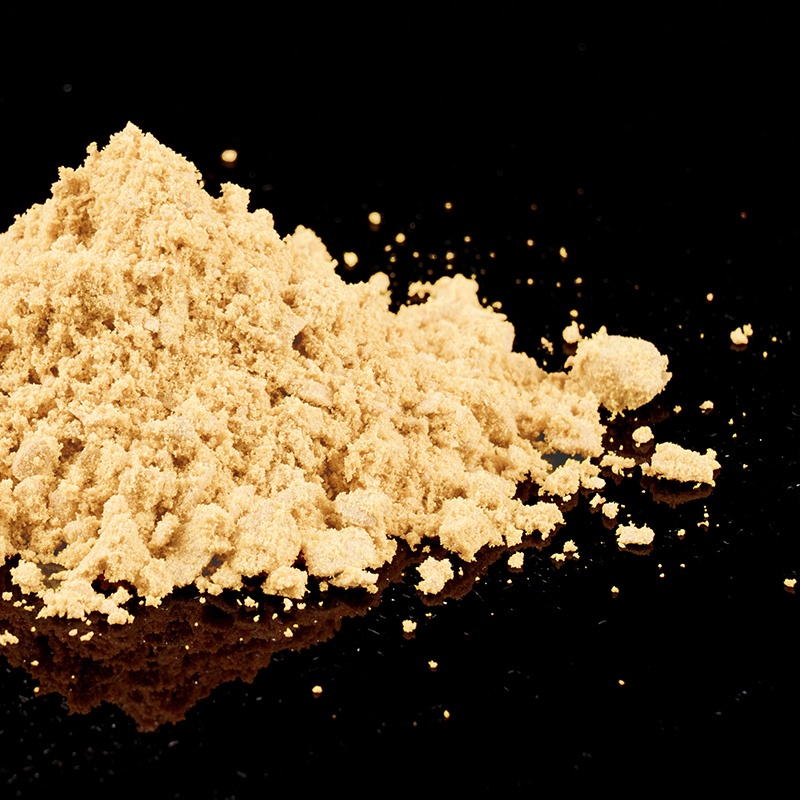
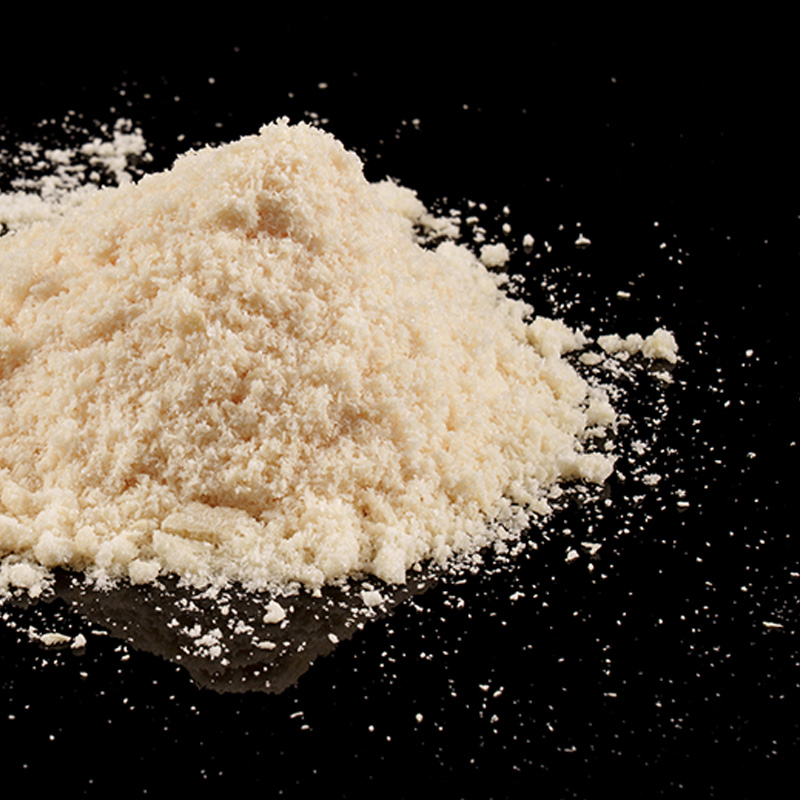
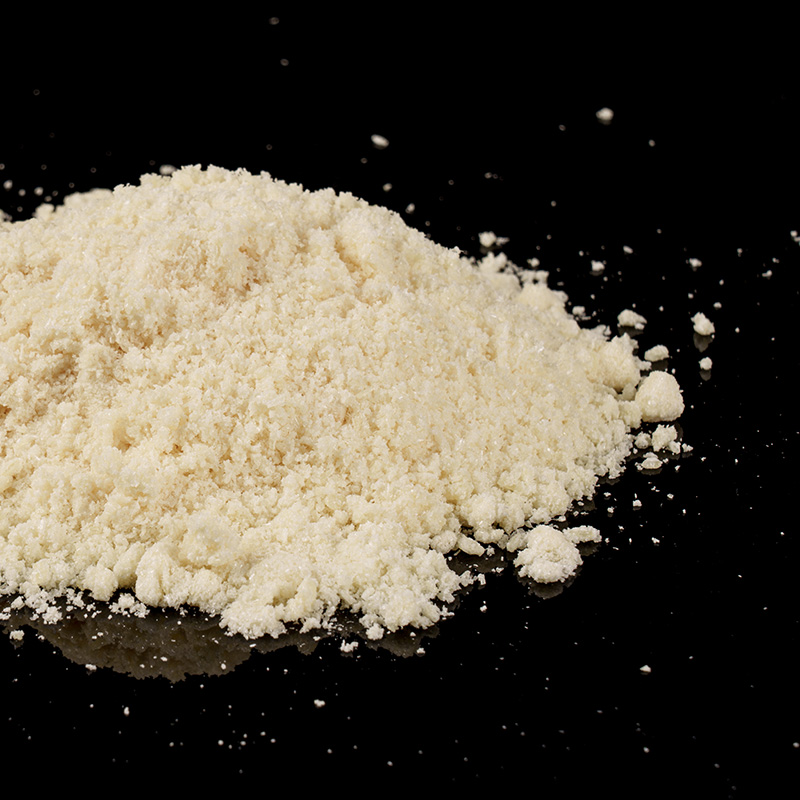
When subjected to the same processing conditions, 5-Hydroxymethylfurfural (5-HMF) is significantly less thermally stable than levulinic acid. 5-HMF begins to degrade noticeably above 110–120°C in aqueous environments, while levulinic acid remains structurally intact at temperatures exceeding 200°C. This fundamental difference has major implications for biorefinery design, food processing, and pharmaceutical manufacturing where both compounds appear as intermediates or degradation products.
5-Hydroxymethylfurfural is a furan-based aldehyde formed primarily through the acid-catalyzed dehydration of hexoses, particularly fructose and glucose. Despite its relevance as a bio-based platform chemical, 5-HMF is thermodynamically unstable under prolonged heat exposure.
In aqueous acidic media, 5-HMF undergoes rehydration at elevated temperatures to yield levulinic acid and formic acid — a well-documented reaction pathway. Studies show that at 150°C in dilute sulfuric acid (pH ~1.5), 5-HMF converts to levulinic acid with yields reaching 50–70 mol% within 30–60 minutes. This reaction is essentially irreversible under standard processing conditions.
Beyond rehydration, 5-HMF also polymerizes under heat to form dark, insoluble humins — carbonaceous byproducts that reduce selectivity in industrial processes. Humin formation accelerates significantly above 140°C, and in concentrated sugar solutions, humin yields can account for up to 30% of total carbon loss. This dual degradation pathway (rehydration + polymerization) makes 5-HMF notoriously difficult to accumulate at high concentrations during thermal processing.
Levulinic acid (4-oxopentanoic acid) is a keto-acid that emerges as a downstream product of 5-HMF degradation. Unlike 5-HMF, levulinic acid possesses a considerably more robust thermal profile. Its boiling point is approximately 245–246°C at atmospheric pressure, and it shows no significant decomposition below 200°C in either aqueous or anhydrous environments.
In acidic aqueous solutions — conditions typical of biomass hydrolysis — levulinic acid remains chemically stable across a broad temperature range (100–180°C) and long residence times (up to several hours). This stability makes it a preferred end-product target in biorefinery cascades where high-temperature processing is unavoidable.
Notably, levulinic acid does not undergo significant polymerization or condensation at moderate processing temperatures, distinguishing it sharply from 5-HMF. Only at temperatures exceeding 200°C under dry conditions does levulinic acid begin to dehydrate or cyclize into secondary products such as angelica lactones.
The table below summarizes key thermal stability parameters for 5-HMF and levulinic acid under comparable conditions relevant to biomass processing and food manufacturing:
| Parameter | 5-Hydroxymethylfurfural | Levulinic Acid |
|---|---|---|
| Onset of degradation (aqueous, acidic) | ~110–120°C | >200°C |
| Boiling point | 114–116°C (at 1 mmHg) | 245–246°C (at 1 atm) |
| Primary degradation pathway | Rehydration + humin formation | Cyclization to angelica lactone |
| Stability in dilute H₂SO₄ at 150°C | Low (degrades within 30–60 min) | High (stable for hours) |
| Polymerization tendency | High (humins above 140°C) | Negligible under typical conditions |
| Suitability for high-temp processing | Limited | High |
The lower thermal stability of 5-HMF relative to levulinic acid is rooted in its molecular structure. The furan ring in 5-HMF, combined with both aldehyde (–CHO) and hydroxymethyl (–CH₂OH) functional groups, makes the molecule highly reactive. The aldehyde group is particularly susceptible to nucleophilic attack and condensation reactions at elevated temperatures.
In contrast, levulinic acid's keto-acid structure — with a ketone group and a carboxylic acid group separated by two methylene units — offers no equivalent reactive site for polymerization. The absence of a conjugated aromatic ring further reduces its propensity for condensation reactions, explaining why levulinic acid accumulates as a stable terminal product in biomass hydrolysis rather than degrading further under standard conditions.
In food science, the thermal instability of 5-Hydroxymethylfurfural is both a quality marker and a regulatory concern. 5-HMF accumulates in heat-treated foods such as honey, fruit juices, and UHT milk, serving as an indicator of thermal abuse or prolonged storage. However, because 5-HMF degrades further at higher temperatures, its concentration is not linearly correlated with processing intensity — making interpretation complex.
For example, the European Union sets a maximum limit of 40 mg/kg of 5-HMF in honey intended for direct consumption. Beyond this threshold, elevated 5-HMF signals overheating or adulteration. Levulinic acid, by comparison, is not currently regulated in food matrices, as it occurs at low concentrations and degrades only under extreme conditions not typically encountered in food manufacturing.
From a biorefinery standpoint, the poor thermal stability of 5-Hydroxymethylfurfural presents a persistent engineering challenge. Maximizing 5-HMF yield from cellulosic biomass requires carefully controlled temperature windows, often between 120–160°C with short residence times, to prevent downstream degradation into levulinic acid or humins.
Strategies to preserve 5-HMF include:
When levulinic acid is the target product, however, thermal degradation of 5-HMF is deliberately exploited. Industrial levulinic acid production via the Biofine process, for instance, operates at 190–220°C and 25 bar to drive complete rehydration of 5-HMF into levulinic acid and formic acid, achieving yields of 50–60% from cellulosic feedstocks.
The evidence is unambiguous: levulinic acid is substantially more thermally stable than 5-Hydroxymethylfurfural across all relevant processing scenarios. 5-HMF is reactive, prone to both rehydration and polymerization, and difficult to preserve at temperatures above 120°C in aqueous media. Levulinic acid, as its own degradation product, is inert under equivalent conditions and survives temperatures well above 200°C without significant structural change.
For users selecting between these compounds as intermediates, markers, or targets in thermal processes, the choice hinges on temperature range and processing intent. If high-temperature robustness is required, levulinic acid is the preferred compound. If 5-HMF accumulation is the goal, tight temperature control and extraction strategies are essential to prevent its inevitable conversion to levulinic acid and formic acid.

Copyright© Zhejiang Sugar Energy Technology Co., Ltd. All Rights Reserved.
 Custom Biobased Polymer Manufacturers
 英语
英语 中文简体
中文简体