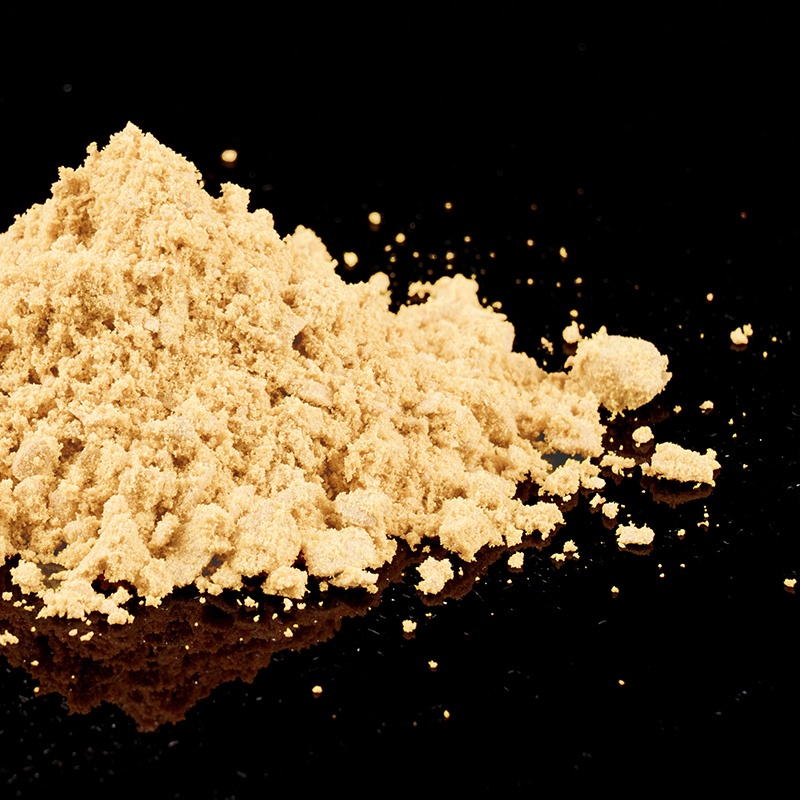
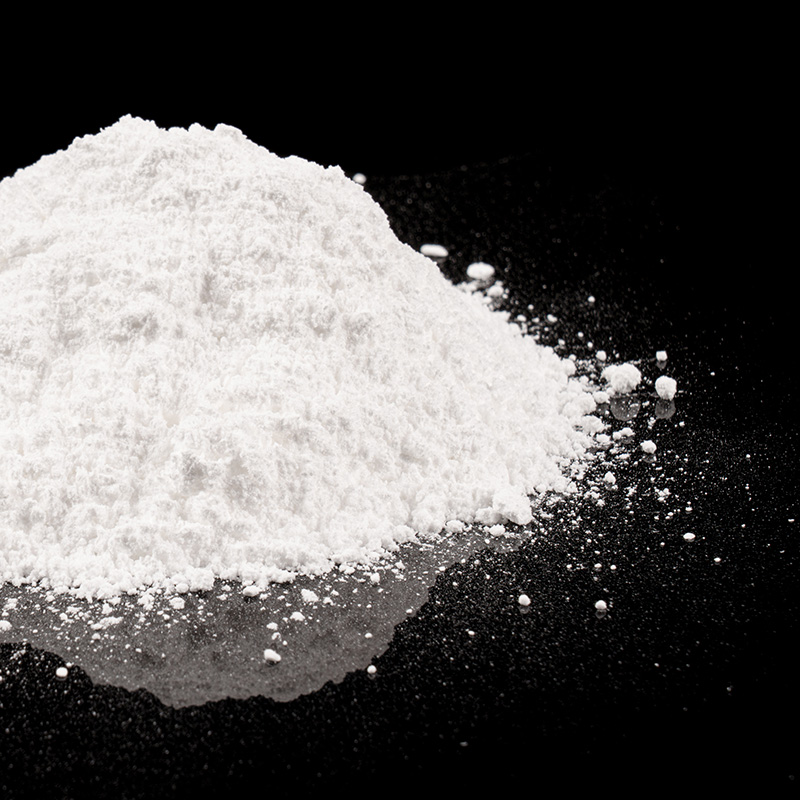
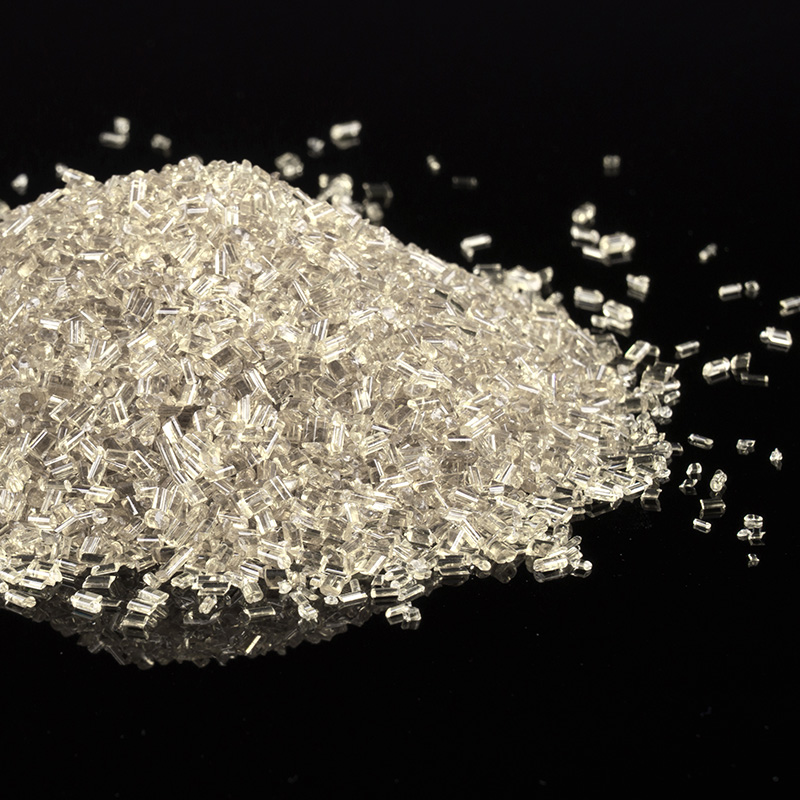
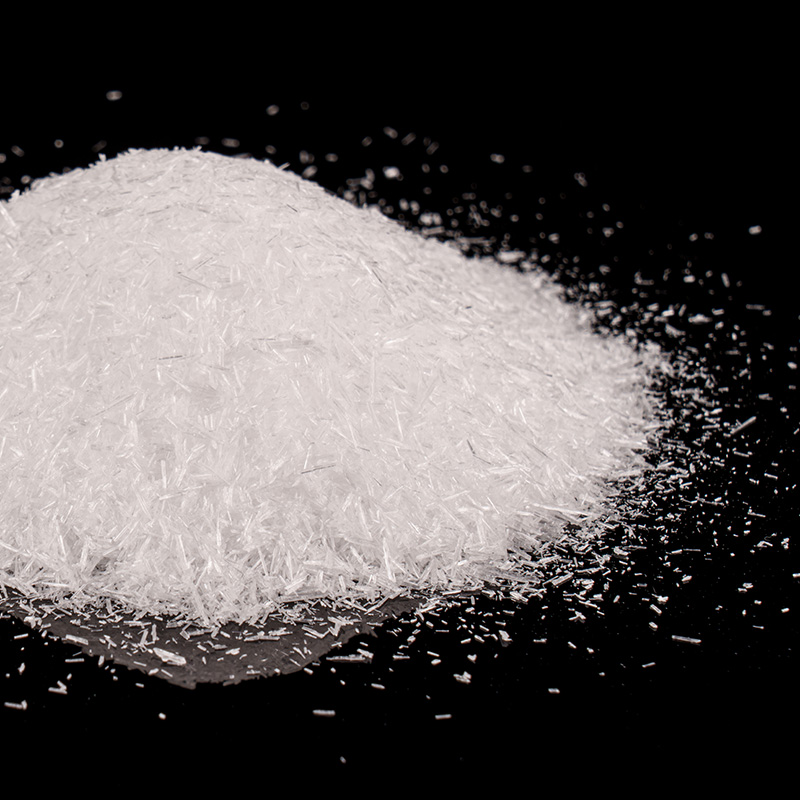
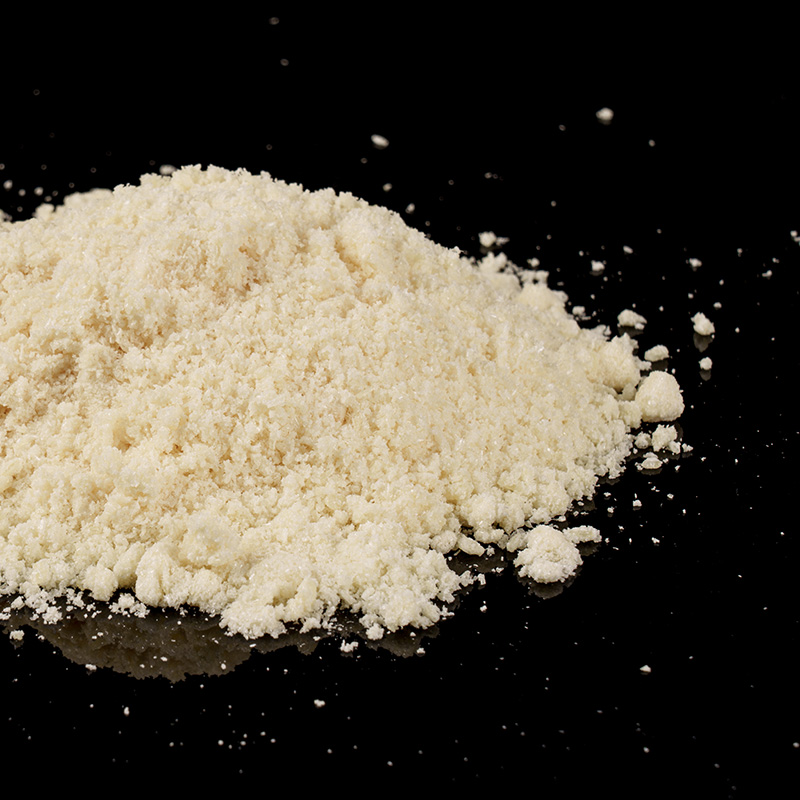
In high-temperature polymer processing, FDCA is thermally stable up to approximately 200–210°C in inert atmospheres but begins measurable decomposition above 230°C, while TPA remains stable to well above 300°C under comparable conditions. This gap of roughly 70–100°C in effective thermal headroom is not merely academic — it directly constrains melt processing temperatures, residence times, and equipment design for FDCA-based polymers such as PEF. Understanding the precise thermal behavior of both monomers, and how that behavior propagates into their respective polymer systems, is essential for process engineers working with bio-based polyesters.
Pure FDCA (2,5-furandicarboxylic acid) has a melting point of approximately 342°C, but this figure is misleading as a stability benchmark, because FDCA undergoes significant thermal decomposition well before it reaches its melting point under standard processing conditions. Thermogravimetric analysis (TGA) data consistently shows the following behavior:
The primary decomposition pathway for FDCA involves decarboxylation — the loss of CO₂ from the carboxylic acid groups — followed by furan ring degradation. This produces furfural, CO, CO₂, and various low-molecular-weight volatile byproducts. These volatiles are problematic in a closed polymerization reactor, as they can generate pressure excursions, form bubbles in the melt, and contaminate the polymer.
It is important to note that FDCA is rarely processed in its free monomer form at high temperatures. In PEF production, FDCA reacts with ethylene glycol (EG) to form oligomers early in the esterification stage (typically at 180–220°C), and these oligomers have meaningfully improved thermal stability compared to the free acid. Nevertheless, the instability of unreacted FDCA at process temperatures sets an upper bound on esterification conditions and requires careful feed management.
Terephthalic acid (TPA) is a fully aromatic diacid with a sublimation point of approximately 402°C and no true melt point under ambient pressure (it sublimates before melting). Its thermal stability profile, established over decades of industrial PET production, is substantially more robust than FDCA:
TPA's stability derives from the aromatic benzene ring, which is far more resistant to thermal ring-opening and decarboxylation than the oxygen-containing furan ring in FDCA. The presence of a ring heteroatom (oxygen) in FDCA lowers the activation energy for ring degradation, making the furan system inherently more thermolabile than benzene-based analogs.
The table below presents a side-by-side comparison of the critical thermal parameters for FDCA and TPA relevant to high-temperature polymer processing:
| Parameter | FDCA | TPA |
|---|---|---|
| Melting / Sublimation Point | ~342°C (decomposes before melting at ambient pressure) | ~402°C (sublimes) |
| Decomposition Onset (N₂) | ~210–220°C | >400°C |
| T₅% Mass Loss | ~230–240°C | ~420–440°C |
| Safe Processing Window (monomer) | Below 210°C | Below 390°C |
| Polymer Melt Processing Temp. | 220–265°C (PEF) | 265–290°C (PET) |
| Primary Decomposition Mechanism | Decarboxylation + furan ring opening | Benzene ring oxidation (only at very high T) |
| Sensitivity to Oxidative Atmosphere | High (onset drops 20–30°C in air) | Low (minimal change below 350°C) |
The thermal stability difference between FDCA and TPA propagates directly into the polymer systems they build — PEF and PET respectively — and creates distinct processing constraints at every stage of production.
PET esterification is typically run at 240–260°C, temperatures at which TPA is entirely stable. PEF esterification must be conducted at lower temperatures — typically 180–220°C — to prevent FDCA decomposition and furan ring degradation. This lower temperature reduces the reaction rate and often requires longer residence times or higher catalyst loading to achieve acceptable ester conversion before the polycondensation stage.
PET melt polycondensation is run at 270–290°C with residence times of 1–3 hours. PEF polycondensation is typically limited to 240–265°C to prevent chain scission and yellowing caused by furan ring degradation. At temperatures above 270°C, PEF shows accelerating color development and IV loss — two outcomes unacceptable for packaging applications. This narrower temperature window also limits the viscosity reduction achievable through temperature increase, making PEF melt processing more sensitive to shear rate management.
In downstream processing such as extrusion, blow molding, and injection stretch blow molding (ISBM) for bottles, PET is routinely processed at barrel temperatures of 265–285°C. PEF, by contrast, is typically processed at 240–260°C. While this difference may appear modest, it matters greatly for equipment compatibility. Barrel heaters, hot runners, and mold temperature controllers designed around PET specifications may operate at the upper edge of PEF's safe window, increasing the risk of localized overheating and degradation in stagnant zones.
When FDCA or PEF is exposed to temperatures beyond its stability range, the degradation products generated are qualitatively different from those produced by TPA or PET. This distinction has practical implications for product quality and process safety.
Key FDCA/PEF thermal degradation products include:
In comparison, PET thermal degradation above its processing window primarily generates acetaldehyde (AA) — well-characterized, regulated, and manageable through AA scavengers. PEF's degradation chemistry is more complex and less thoroughly characterized, which currently represents a gap in regulatory clearance data for sensitive food and beverage packaging uses.
Despite its narrower thermal window, FDCA and PEF can be processed successfully with the following engineering and formulation strategies:
FDCA's effective thermal stability ceiling of approximately 210–230°C — compared to TPA's stability well above 400°C — represents the most consequential structural difference between the two monomers from a processing standpoint. This gap narrows the safe operating window for PEF production at every stage, from esterification through melt processing and downstream conversion. Process engineers transitioning from PET to PEF must treat temperature management as the primary design constraint, adjusting reactor temperatures, residence times, catalyst systems, and stabilizer packages accordingly. As PEF technology matures and more detailed degradation kinetics data become available, the practical processing window for FDCA-based polymers is expected to be better understood and more reliably controlled — but the fundamental thermolability of the furan ring relative to benzene will remain a structural reality that differentiates PEF from PET indefinitely.

Copyright© Zhejiang Sugar Energy Technology Co., Ltd. All Rights Reserved.
 Custom Biobased Polymer Manufacturers
 英语
英语 中文简体
中文简体