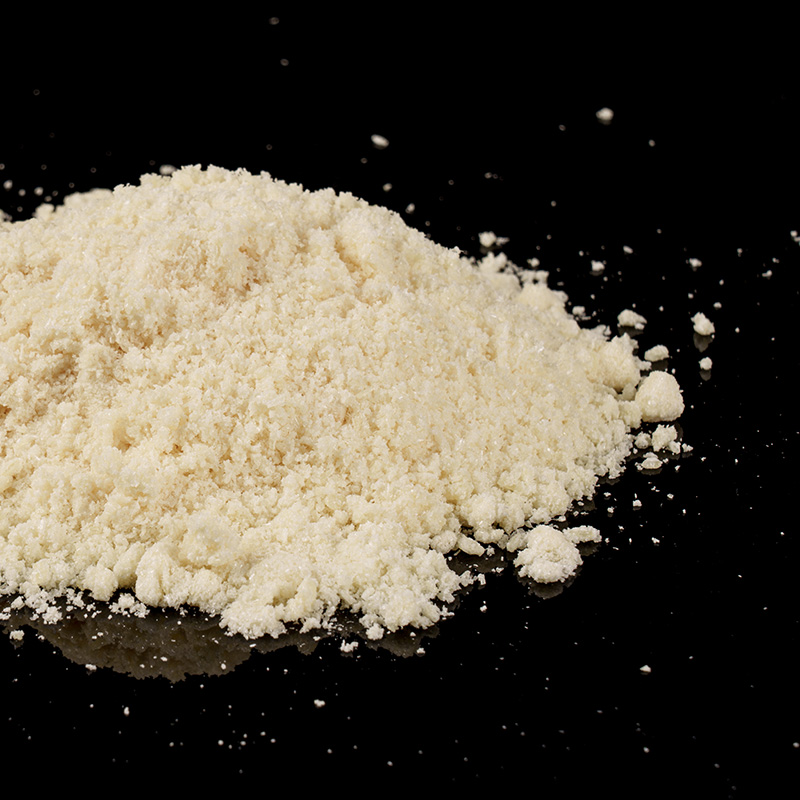
Resistance to Acids: Poly(ethylene 2,5-furandicarboxylate) (PEF) demonstrates strong resistance to weak and moderate acids commonly encountered in industrial applications, including acetic acid, citric acid, and other food-grade or industrial acids at low to moderate concentrations. The polymer’s ester backbone provides inherent chemical stability under mildly acidic conditions, maintaining mechanical strength, dimensional integrity, and barrier performance during typical use. However, PEF can undergo hydrolytic degradation when exposed to concentrated mineral acids such as sulfuric acid or hydrochloric acid, especially at elevated temperatures. This degradation occurs because strong acids catalyze the cleavage of ester linkages, leading to reduced molecular weight, embrittlement, surface pitting, and diminished barrier properties. In industrial scenarios where acid contact is expected, PEF can be used safely for short-term exposure or in dilute acid conditions, but prolonged contact with strong acids should be avoided or mitigated through protective coatings or surface treatments to maintain long-term performance.
Resistance to Bases (Alkaline Conditions): PEF exhibits moderate chemical resistance to alkalis, including solutions of sodium hydroxide, potassium hydroxide, and other mild to moderate alkaline cleaning or processing agents. At room temperature and low concentrations, the polymer retains its mechanical strength, dimensional stability, and barrier properties without significant degradation. However, exposure to concentrated alkali solutions or elevated temperatures accelerates hydrolysis of the ester bonds, which can reduce tensile strength, impact resistance, and chemical barrier performance over time. In industrial cleaning, food, or beverage environments where strong alkaline agents are occasionally used, protective strategies—such as limiting contact time, reducing temperature, or applying compatible coatings—are recommended to avoid polymer chain cleavage and ensure consistent long-term functionality.
Resistance to Organic Solvents: PEF generally exhibits strong resistance to non-polar organic solvents, including aliphatic hydrocarbons, aromatic hydrocarbons such as toluene or xylene, and other low-polarity solvents, without significant swelling or deformation. These characteristics make PEF suitable for use in packaging or containers that may come into contact with oils, fuels, or similar solvents. Polar solvents, particularly those capable of attacking ester linkages, such as acetone, tetrahydrofuran (THF), and chlorinated solvents like chloroform or methylene chloride, can cause swelling, softening, or partial surface dissolution. This can compromise mechanical integrity, barrier performance, and dimensional stability. In industrial applications where exposure to polar or aggressive solvents is anticipated, careful evaluation of compatibility is critical, and surface protection or secondary containment may be necessary to prevent damage.
Resistance to Cleaning Agents and Detergents: PEF is highly compatible with a broad range of industrial and consumer cleaning agents, including aqueous detergents, mild alkaline cleaners, and surfactants commonly used for sanitation in food, beverage, or pharmaceutical environments. The polymer maintains mechanical strength, transparency, and barrier properties even under repeated cleaning cycles, making it suitable for applications requiring frequent hygiene maintenance. However, exposure to highly aggressive oxidizing agents, concentrated bleach solutions, or cleaners with extreme pH can result in surface oxidation, discoloration, micro-cracking, or embrittlement over prolonged periods. For facilities using strong cleaning protocols, it is recommended to perform compatibility testing under actual operational conditions to verify long-term chemical resistance and surface integrity.
Environmental and Operational Considerations: The chemical resistance of PEF is influenced not only by the type of chemical but also by environmental factors such as temperature, mechanical stress, and exposure duration. Elevated temperatures accelerate hydrolysis and chemical attack, particularly in acidic or alkaline environments, while continuous mechanical loading or stress can exacerbate the effect of chemical exposure, leading to stress cracking or surface embrittlement. Crystallinity and molecular weight distribution also play important roles: higher crystallinity improves chemical penetration resistance and dimensional stability, while stabilizers or additives incorporated during polymer synthesis can enhance resistance to hydrolytic, oxidative, or thermal degradation. For industrial applications, these parameters must be carefully considered to ensure reliable long-term performance under realistic operating conditions.

Copyright© Zhejiang Sugar Energy Technology Co., Ltd. All Rights Reserved.
 Custom Biobased Polymer Manufacturers
 英语
英语 中文简体
中文简体