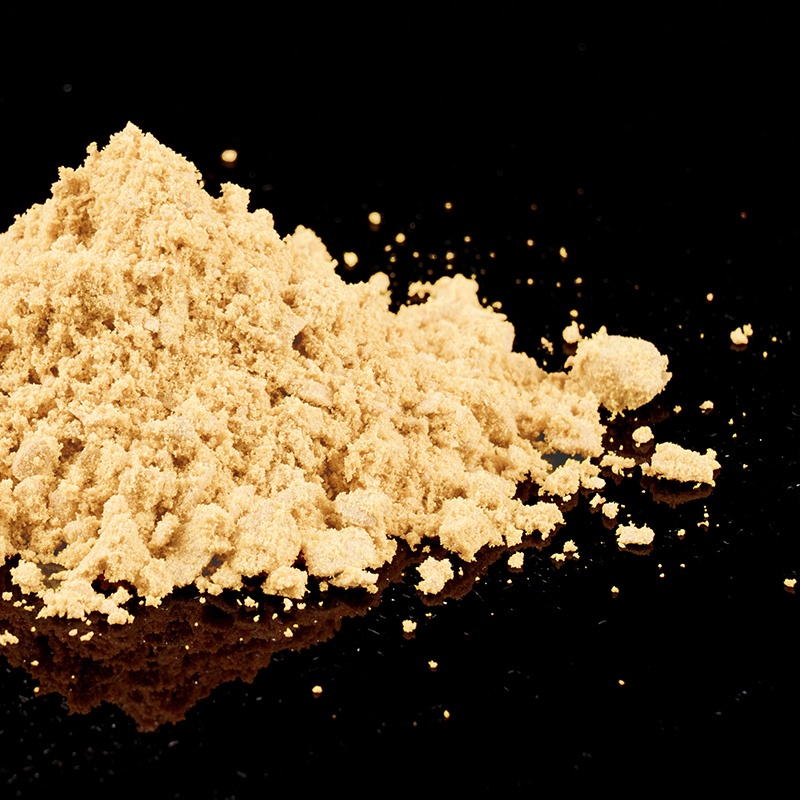
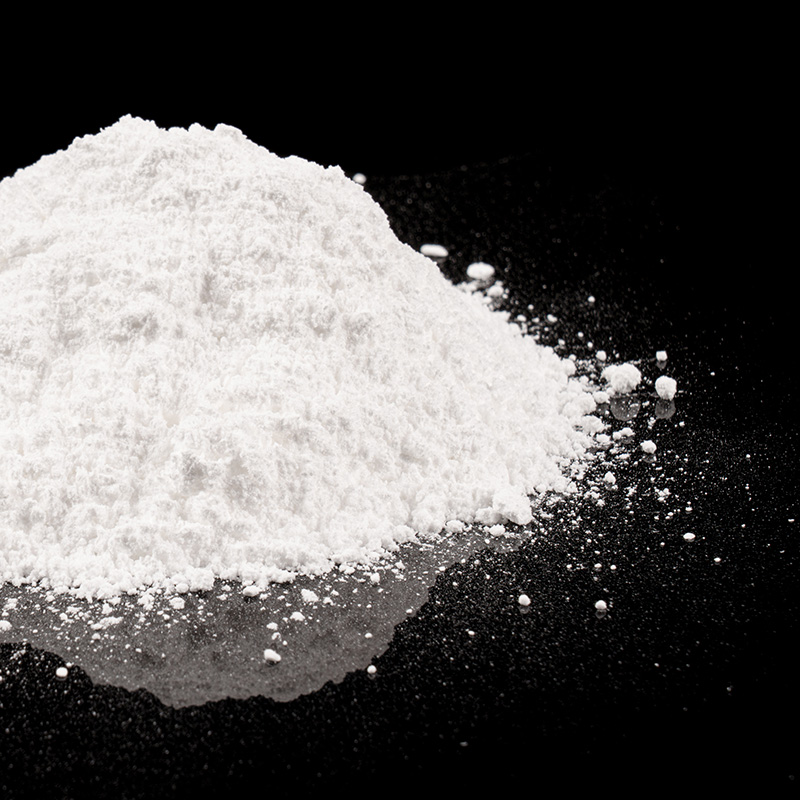
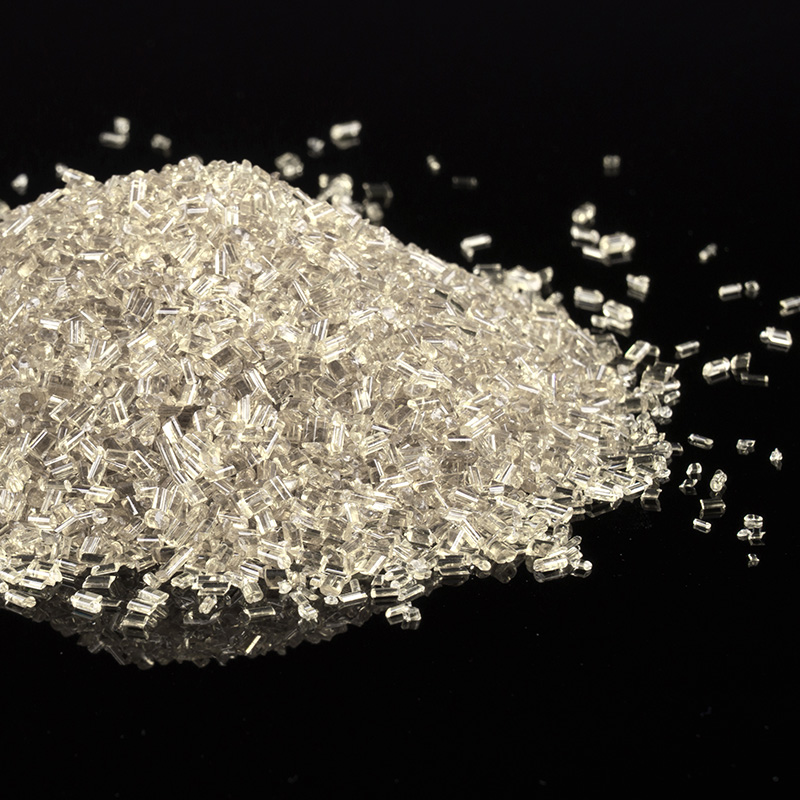
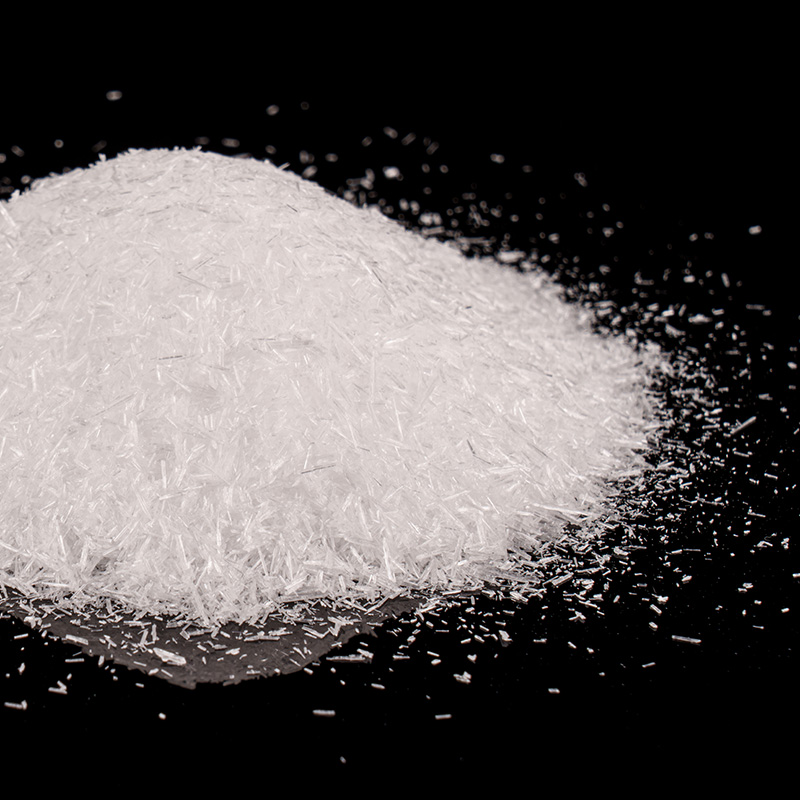
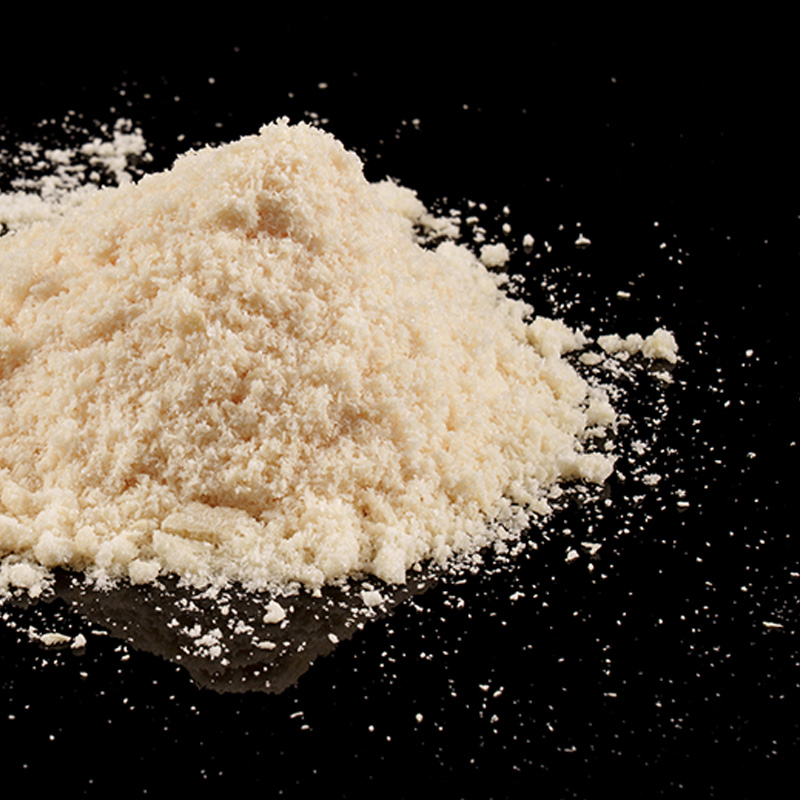
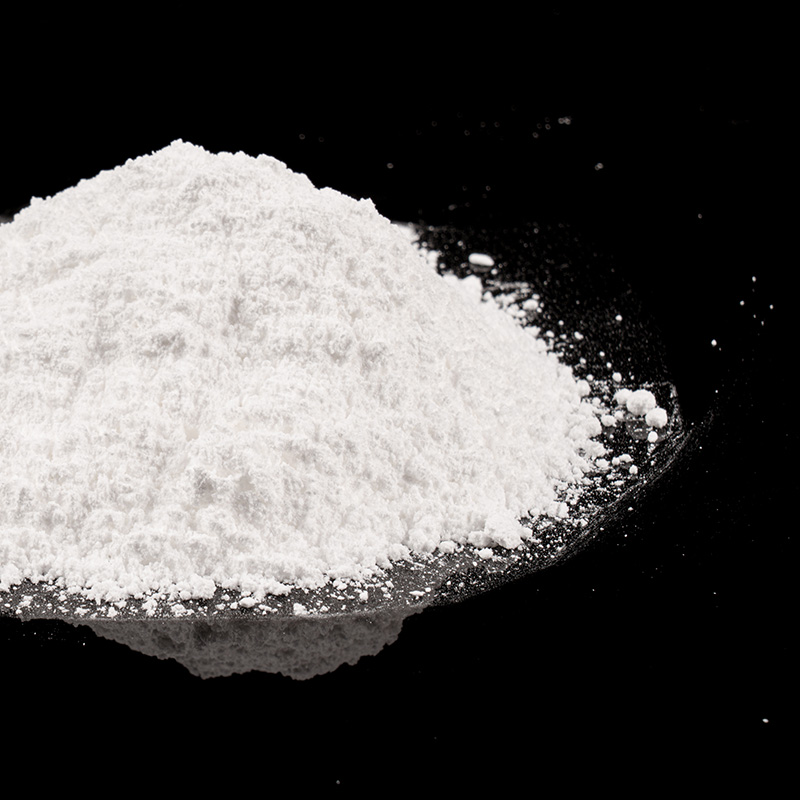
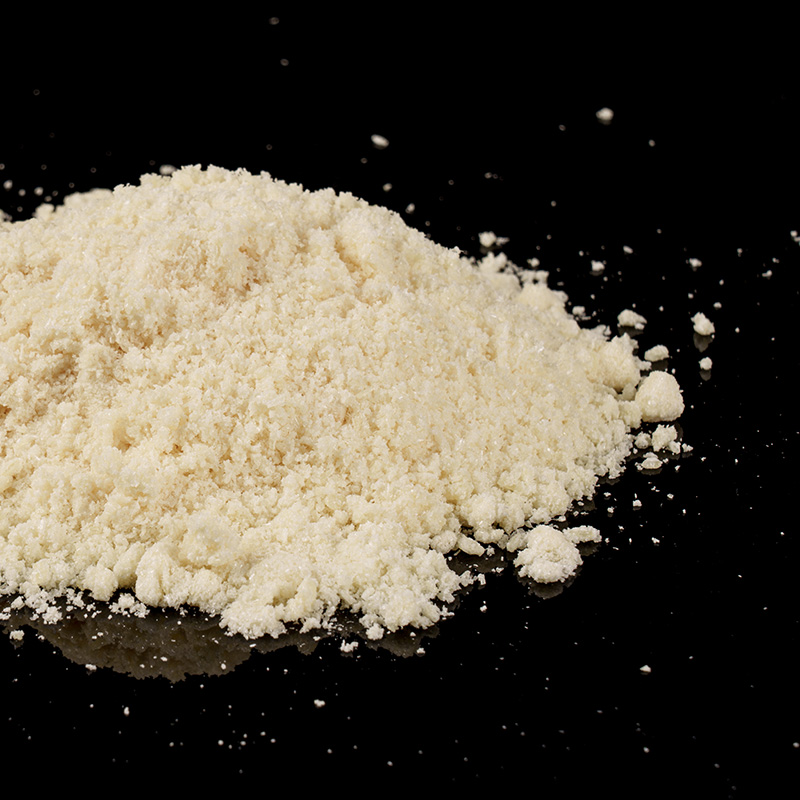
The particle size distribution of 2,5-Furandicarboxylic Acid (FDCA) plays a critical role in its reactivity during polymer synthesis. Smaller particles have a higher surface area-to-volume ratio, which increases the contact area with diols, catalysts, and solvents. This enhanced surface area accelerates reaction kinetics, enabling more uniform esterification or polycondensation reactions when producing polyesters like polyethylene furanoate (PEF). Conversely, larger particles reduce effective surface area, slowing the reaction and potentially creating non-uniform polymer chains. By optimizing particle size distribution, manufacturers can achieve consistent molecular weight distribution and improved polymer chain uniformity, which directly affects mechanical strength, thermal stability, and clarity of the final polymer.
In polymer synthesis, 2,5-Furandicarboxylic Acid (FDCA) must dissolve or disperse evenly in the reaction medium to achieve uniform polymerization. Fine particles dissolve faster, minimizing localized concentration gradients and ensuring that all regions of the reactor experience similar reaction conditions. This uniform dissolution prevents the formation of low-molecular-weight oligomers or uneven polymer segments that can compromise mechanical properties and processing behavior. Larger particles, or a broad size distribution, may dissolve unevenly, leading to inconsistent polymer chain growth, color variation, or areas of incomplete reaction. Controlling particle size is therefore critical for producing high-quality, reproducible polymers at industrial scale.
Particle size distribution of 2,5-Furandicarboxylic Acid (FDCA) also affects heat and mass transfer during polymerization. Smaller, uniformly sized particles enhance mass transfer between FDCA and diols, ensuring faster and more complete esterification reactions. They also allow more uniform heat distribution, which is particularly important in high-temperature polycondensation processes. Uneven particle sizes can create local hot spots or cold zones, leading to inconsistent polymer growth or thermal degradation of FDCA. By maintaining a controlled particle size distribution, manufacturers can improve reaction efficiency, reduce energy consumption, and minimize byproduct formation, which enhances both process sustainability and polymer quality.
The particle size of 2,5-Furandicarboxylic Acid (FDCA) directly affects the molecular uniformity and crystallinity of the resulting polymer. Fine, evenly distributed particles promote homogeneous polymer chain growth, resulting in polymers with consistent chain length, crystallization behavior, and mechanical properties such as tensile strength, elongation, and impact resistance. Conversely, uneven particle size or oversized particles can create defects in the polymer structure, reduce barrier properties, and increase brittleness. Optimizing particle size ensures not only chemical uniformity but also physical consistency, which is crucial for applications like high-barrier packaging, fibers, or films.
To maximize the performance of 2,5-Furandicarboxylic Acid (FDCA) in polymer synthesis, it is recommended to use a controlled particle size distribution tailored to the specific polymerization method. Fine particles, typically in the sub-50 micron range, improve dissolution, reaction uniformity, and heat transfer. Careful sieving or milling of FDCA ensures minimal large particle content, reducing reaction inconsistencies and preventing defects in the final polymer. By standardizing particle size, manufacturers can achieve reproducible molecular weights, enhanced thermal stability, improved barrier properties, and a more uniform, high-quality polymer suitable for both industrial and consumer applications.

Copyright© Zhejiang Sugar Energy Technology Co., Ltd. All Rights Reserved.
 Custom Biobased Polymer Manufacturers
 英语
英语 中文简体
中文简体