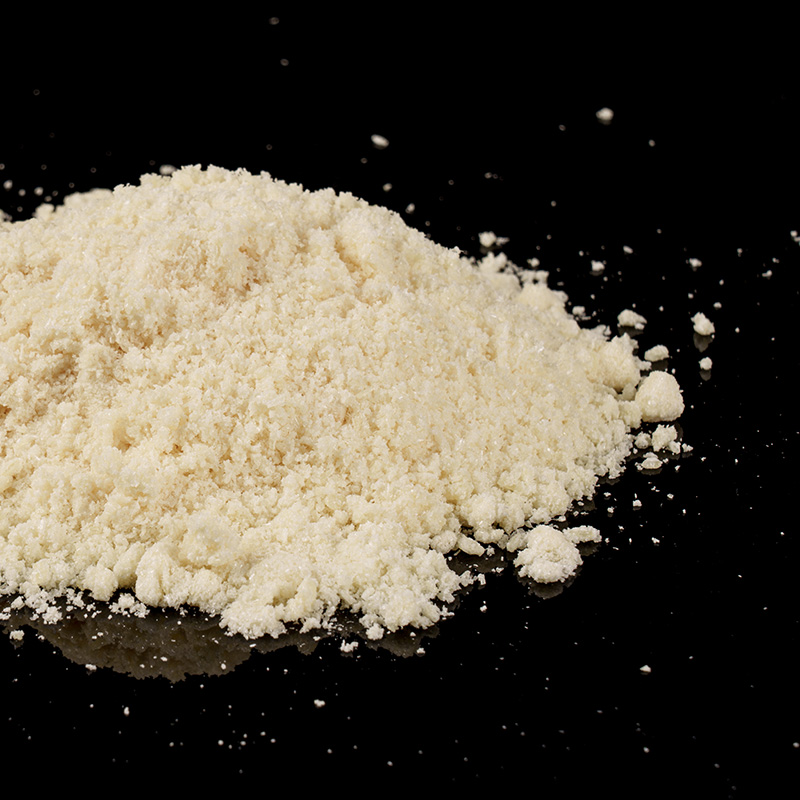
PEF is synthesized from 2,5-furandicarboxylic acid (FDCA) and ethylene glycol, where the 2,5-furandicarboxylate (FDC) unit plays a critical role in the polymer’s mechanical properties. The furan ring—a five-membered ring containing both oxygen and carbon atoms—imparts significant structural rigidity to PEF, unlike traditional polyesters that use terephthalic acid (as in PET), which lacks the same level of aromatic rigidity. The aromatic nature of the furan ring enables strong π-π stacking interactions between adjacent polymer chains, which enhances the intermolecular forces and contributes to the material's high modulus and tensile strength.
These aromatic interactions increase the material’s resistance to deformation under mechanical stress, making PEF particularly useful for applications that demand high mechanical strength, such as load-bearing containers and reinforced packaging materials. Additionally, these rigid structures help the polymer resist the creep (permanent deformation under stress) typically seen in less rigid materials, ensuring that PEF performs reliably over extended periods of use.
The chemical structure of PEF, especially the aromatic furan ring, promotes higher crystallinity during the polymerization process. Crystallinity refers to the orderly arrangement of polymer chains in a solid state, and it plays a crucial role in determining a polymer’s mechanical strength, stiffness, and chemical resistance. Compared to conventional PET, which has lower crystallinity, PEF tends to form a more ordered structure, which increases its tensile strength and impact resistance.
This higher crystallinity also improves the barrier properties of PEF, making it more effective at blocking gases such as oxygen and carbon dioxide. These properties are crucial in industries like food packaging, where the integrity of the product must be maintained to prevent spoilage. The enhanced gas barrier also improves the shelf life of perishable goods by reducing the oxidation of sensitive contents. As a result, PEF is particularly well-suited for sustainable packaging that demands both high performance and protection under environmental stressors.
PEF’s aromatic furan ring structure not only contributes to its rigidity but also imparts high thermal stability. The aromatic nature of the furan ring is thermally stable, meaning that the material is better able to withstand higher temperatures without degrading or losing its mechanical properties compared to traditional PET. The strong interchain interactions, resulting from the π-π stacking and hydrogen bonding between chains, prevent excessive thermal motion of the polymer chains, leading to increased melting points and glass transition temperatures (Tg).
For instance, PEF can withstand elevated processing temperatures (between 250°C-280°C) without significant degradation, making it suitable for high-temperature processing and environments where thermal stability is crucial, such as in automotive components, electronics, and industrial equipment. This enhanced thermal stability ensures that PEF remains dimensionally stable, even in high-stress thermal conditions, where PET might soften or degrade.
The 2,5-furandicarboxylate units in PEF confer a superior chemical resistance to the polymer. The furan ring structure is more chemically stable and resistant to a variety of chemicals, including acids, bases, and solvents, compared to the more traditional ester-based structure of PET. This makes PEF highly effective in industrial environments where exposure to chemicals such as acetic acid, alkaline solutions, alcohols, or petroleum derivatives is common.
PEF’s chemical resistance is a direct result of the strong covalent bonding between the furan ring and the ester functional groups. These strong molecular interactions prevent the polymer from breaking down or degrading under exposure to harsh chemicals. PEF exhibits high resistance to hydrolysis, which refers to the material’s ability to resist degradation in moisture-rich environments. This makes it ideal for use in chemical packaging, agriculture, and medical equipment that may be subjected to challenging chemical conditions.
Hydrolysis refers to the process by which polymers degrade when exposed to water over time, often leading to a breakdown of the polymer’s molecular chains. PEF, owing to its unique chemical structure, demonstrates significantly better hydrolytic stability than PET and many other conventional plastics. The furan ring is less prone to water-induced degradation, making PEF ideal for wet environments where long-term performance is required without the material losing its mechanical strength or becoming brittle.
For applications involving moisture exposure, such as food packaging, beverages, or pharmaceuticals, PEF retains its physical properties and barrier performance much longer than traditional plastics. As water molecules are less likely to break the ester linkages in PEF, it exhibits greater resistance to long-term degradation, reducing maintenance costs and improving the service life of products.

Copyright© Zhejiang Sugar Energy Technology Co., Ltd. All Rights Reserved.
 Custom Biobased Polymer Manufacturers
 英语
英语 中文简体
中文简体